
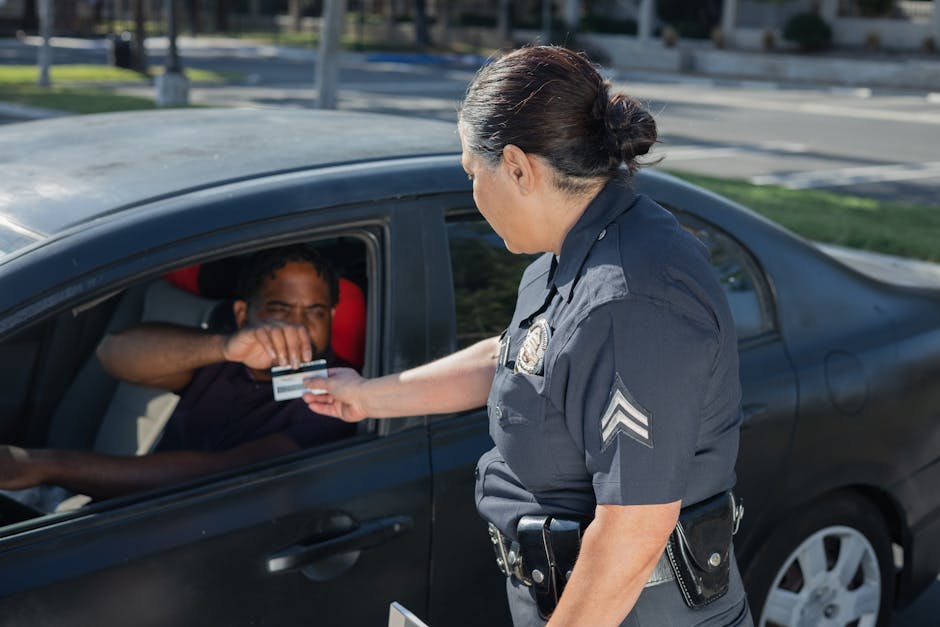
DWI enforcement in Travis County is heavy and concentrated around Austin's nationally known nightlife and live-music economy — Sixth Street, Rainey Street, the Red River district, downtown, and the West Campus student area near the University of Texas — plus event surges around the stadiums, the Circuit of the Americas (Formula 1, MotoGP, and major festivals), and destinations like South by Southwest and Austin City Limits that draw enormous crowds. Misdemeanor DWI is prosecuted by the Travis County Attorney (512-854-9415) in the County Courts at Law; felony DWI (third offense, intoxication assault, intoxication manslaughter) is prosecuted by the Travis County District Attorney (512-854-9400) in the felony district courts at the Blackwell-Thurman Criminal Justice Center. Travis County runs no-refusal enforcement — on weekends, holidays, and major event nights, on-call magistrates issue blood search warrants within minutes when drivers decline testing, so a refusal here typically produces a warranted blood draw rather than a lack of evidence. Texas penalties escalate quickly: first-offense DWI is a Class B misdemeanor (72 hours to 180 days county jail, fine to $2,000, plus a state fine of up to $3,000 on conviction), rising to Class A at 0.15+ BAC; a second is a Class A with a mandatory minimum jail term; a third is a third-degree felony (2–10 years); DWI with a child passenger under 15 is a state jail felony; intoxication assault is a third-degree felony and intoxication manslaughter a second-degree felony.
Every arrest launches two cases, and the license case has the shorter fuse. If you fail or refuse a breath or blood test, the officer serves notice of an Administrative License Revocation, and you have just 15 days to request an ALR hearing with the State Office of Administrative Hearings (SOAH is headquartered in Austin, making the hearing especially accessible here) — miss it and the suspension (90 days for a failed test, 180 for a refusal, longer with priors) begins automatically on day 40. The ALR hearing is more than a license proceeding; it is the defense's first sworn cross-examination of the arresting officer about the stop, the field sobriety tests, and the statutory warnings, and inconsistencies developed there become impeachment in the criminal case. Suspended drivers can obtain an occupational (essential-need) license for work, school, and household necessities, and since 2015 most first-offense alcohol suspensions can be bridged with an ignition-interlock-restricted license permitting unrestricted driving. Commercial drivers face a categorically harsher rule: a first DWI in any vehicle disqualifies a CDL for one year with no occupational CDL available. Even in a reform-minded county, a DWI is a serious criminal charge — Travis County's diversion generosity for low-level offenses does not extend to treating intoxicated driving lightly, especially where a crash occurred.
DWI defenses succeed regularly in Travis County — and its educated, historically defense-receptive juries make trials a genuine option — because the State's evidence has more moving parts than a citation suggests. The stop itself requires reasonable suspicion; "failure to maintain a single lane," anonymous tips, and community-caretaking stops are litigated constantly, and a bad stop suppresses everything after it. Standardized field sobriety tests (horizontal gaze nystagmus, walk-and-turn, one-leg stand) are scored subjectively, frequently administered off-protocol, and skewed by age, weight, injury, footwear, and nerves. Breath testing on the Intoxilyzer depends on the 15-minute observation period, operator certification, and machine maintenance records; blood testing invites scrutiny of the warrant's four corners, the qualifications and technique of the person drawing blood, chain of custody, and the analysis itself — Travis County blood work runs through the DPS crime laboratory in Austin and other accredited labs, and lab records, calibration, and analyst credentials are all discoverable and contestable. Rising-alcohol defenses (BAC still climbing at the time of driving), medical conditions mimicking impairment, and "good driving, bad test" disconnects fit specific fact patterns. Body-cam, dash-cam, and private surveillance (abundant in Austin's camera-dense entertainment districts) should be requested and preserved immediately before retention windows close.
Eligible defendants have meaningful off-ramps. Since 2019 first-offense DWI (BAC under 0.15) is eligible for deferred adjudication — a guilty plea without a conviction if supervision (with an ignition interlock) is completed, later eligible for an order of nondisclosure sealing the record; the caveats are that it still counts as a "prior" if there is ever a second DWI and, for noncitizens, functions as a conviction for immigration purposes. Travis County operates a DWI-court track for repeat and high-risk offenders emphasizing monitoring, testing, and treatment over maximum incarceration, and standard probation outcomes bundle a DWI education program, a MADD victim-impact panel, community service, and interlock conditions. What a Travis County DWI is not is a traffic ticket — a conviction is permanent and never expungeable, triggers SR-22 high-risk insurance for years, requires reporting for nurses, physicians, teachers, pilots, attorneys, and CDL/TWIC holders, and — for the county's large noncitizen population, including many tech-sector visa holders and UT international students — while a simple first DWI is not itself deportable, it undermines DACA renewals, naturalization good-moral-character findings, F-1 status, and discretionary relief, and the arrest exposes removable people to jail screening under SB4.
Ordinary traffic enforcement runs on a separate, more forgiving track. Class C moving violations inside Austin go to the Austin Municipal Court (6800 Burleson Rd., Austin TX 78744; 512-974-4800), while citations in unincorporated Travis County and from the Sheriff or DPS on county roads go to the county's Justice of the Peace courts across its five precincts. Almost every moving-violation defendant qualifies for a driving safety course (dismisses the ticket for eligible drivers who request it before the appearance date) or deferred disposition (dismissal after a clean probationary period) — either beats simply paying, because a straight payment is a conviction that lands on the DPS record and raises insurance. CDL holders are ineligible for both and must contest citations on the merits to protect the license. Texas abolished the Driver Responsibility surcharge program in 2019, but unpaid tickets still trigger warrants and OmniBase holds blocking license renewal; municipal and JP courts must offer payment plans, community service, and indigency alternatives to jail for fine-only offenses. Austin does not operate red-light cameras (Texas banned photographic traffic enforcement statewide in 2019). Toll enforcement in the region is shared between the Central Texas Regional Mobility Authority (the 183A, 290 toll, and MoPac Express lanes; 512-996-9778) and TxDOT (SH-130, SH-45, and other state tollways; the TxTag program), each with its own administrative dispute-and-escalation process that can reach registration blocks — disputed toll bills should be contested promptly rather than ignored. Drivers should also know Texas's statewide texting ban (§545.4251), and Austin has its own hands-free ordinance restricting handheld device use while driving, enforced within the city.
Need legal documents for your traffic case?
Hardship license requests, hearing prep forms, and correspondence — state-specific.
Sponsored links. Affiliate disclosure · Compare all options