
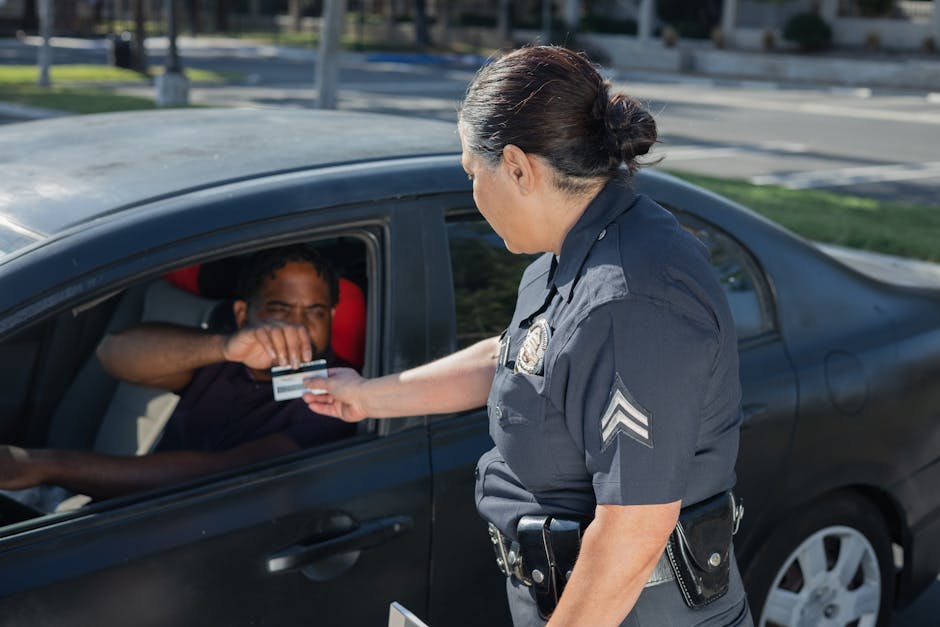
Driving While Intoxicated (DWI) in Texas is defined under Tex. Penal Code §49.04 as operating a motor vehicle in a public place while intoxicated — either with a BAC of 0.08 or higher, or lacking the normal use of mental or physical faculties due to alcohol, drugs, or a combination. Dallas County prosecutes DWI aggressively: the Dallas County District Attorney's office has long prioritized DWI enforcement, and Dallas Police Department, the various city police departments across the county (Irving, Garland, Grand Prairie, Mesquite, etc.), and the Texas Department of Public Safety conduct regular patrols on the county's high-volume nightlife corridors — Uptown, Deep Ellum, Lower Greenville, Knox-Henderson, and the entertainment districts around American Airlines Center and AT&T Stadium — as well as on the major freeways. A standard first-offense DWI is a Class B misdemeanor (up to 180 days in county jail, $2,000 fine, mandatory 72-hour minimum), heard in the criminal county courts at law at the Frank Crowley Courts Building (133 N. Riverfront Blvd., Dallas TX 75207).
A DWI arrest triggers the Administrative License Revocation (ALR) process (Tex. Transp. Code Ch. 724) entirely separate from the criminal case. The arresting officer confiscates the driver's license and issues a 40-day temporary driving permit. The arrested driver has exactly 15 calendar days from the date of arrest to request a hearing before the State Office of Administrative Hearings (SOAH) to contest the suspension — missing this deadline results in automatic suspension when the 40-day permit expires, regardless of the outcome of the criminal case. Suspension periods range from 90 days for a first-offense failure (BAC over 0.08) to 180 days for a first-offense refusal, and longer for repeat violations. Requesting the ALR hearing preserves the license pending the hearing and also gives the defense attorney an early opportunity to question the arresting officer under oath — information that can directly benefit the criminal defense. The 15-day ALR deadline is the most time-sensitive action after any DWI arrest.
Texas law enhances DWI penalties in several circumstances relevant to Dallas County enforcement. A BAC of 0.15 or higher — even on a first offense — elevates the charge to a Class A misdemeanor (up to one year in county jail, $4,000 fine). Blood draws in Dallas County DWI cases frequently return results above 0.15, given that Dallas's entertainment districts see many late-night arrests where defendants have been drinking for extended periods. A second DWI is a Class A misdemeanor. A third or subsequent DWI is a third-degree felony (2–10 years state prison). DWI with a child passenger under age 15 is a state jail felony. Intoxication assault (serious bodily injury) is a third-degree felony; intoxication manslaughter is a second-degree felony (2–20 years). The presence of a DWI on a Texas driving record also cannot be expunged if there is a conviction — making the plea decision one of the most consequential the defendant will make.
The Dallas area, including Dallas County and its surrounding counties, operates No-Refusal programs on major holiday weekends — Memorial Day, Independence Day (July 4th), Labor Day, Thanksgiving, and New Year's Eve — during which magistrates are available around the clock to issue blood-draw warrants within minutes of a suspect's refusal to submit to a breath test. The practical effect is that refusal does not prevent chemical evidence collection during these periods. Even outside No-Refusal operations, Dallas County law enforcement regularly obtains blood-draw warrants when a suspect refuses, particularly in cases involving crashes, serious injury, or defendants with prior DWI history. Officers may also invoke mandatory blood-draw statutes for crashes resulting in death or serious bodily injury (Tex. Transp. Code §724.012) without a warrant in those specific circumstances.
Texas repealed its Driver Responsibility Program in 2019, eliminating the annual surcharges (DPS surcharges) that previously applied to DWI convictions and point accumulations — a significant relief for defendants. However, DWI convictions still carry substantial collateral costs: mandatory DWI Education Program completion, probation supervision fees, ignition interlock device costs if required, and the near-certain increase in auto insurance premiums (often to SR-22 level for a period). First-offense DWI deferred adjudication followed by an order of nondisclosure — available for certain first offenses without a BAC of 0.15 or higher, without an accident involving another person, and after the required ignition interlock period — is the most favorable outcome short of dismissal or acquittal. Municipal courts handle Class C traffic citations and Class C alcohol offenses (minor in possession, driving under the influence by a minor under Tex. Alco. Bev. Code §106.041) within each city's limits; Dallas Municipal Court is the busiest in the county.
Need legal documents for your traffic case?
Hardship license requests, hearing prep forms, and correspondence — state-specific.
Sponsored links. Affiliate disclosure · Compare all options