
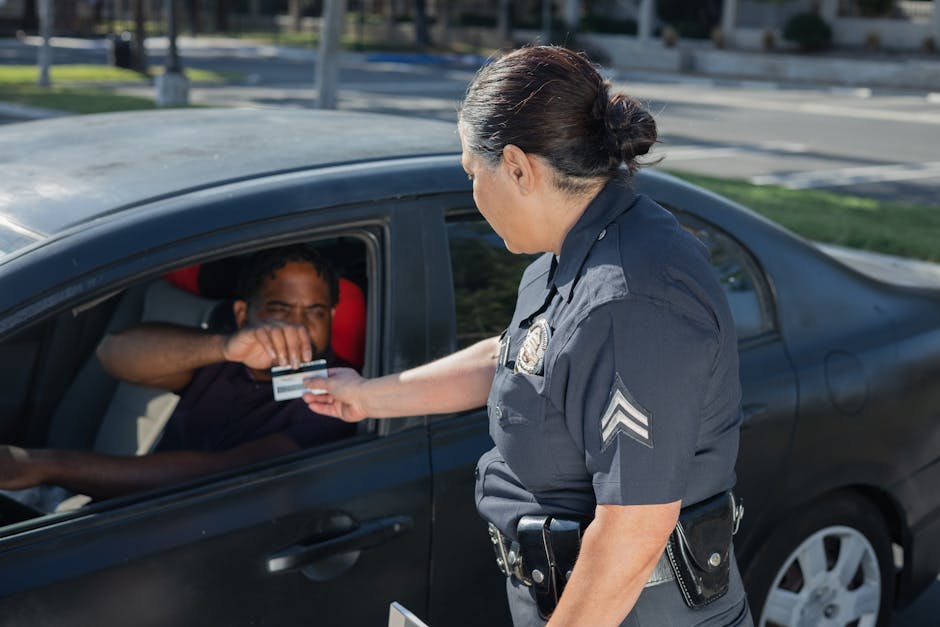
Driving While Intoxicated (DWI) in Texas is defined under Tex. Penal Code §49.04 as operating a motor vehicle in a public place while intoxicated, with "intoxicated" meaning either (1) having a blood alcohol concentration (BAC) of 0.08 or higher, or (2) lacking the normal use of mental or physical faculties due to alcohol, a controlled substance, a drug, or any combination. Texas uses the term DWI — not DUI — for adults, while DUI refers specifically to the under-21 minor offense where any detectable amount of alcohol is prohibited (Tex. Alco. Bev. Code §106.041). A standard first-offense DWI in Collin County is a Class B misdemeanor carrying up to 180 days in county jail and up to a $2,000 fine, with a mandatory 72-hour minimum confinement. Collin County's municipal and county courts handle high volumes of DWI cases from the county's major traffic corridors — US-75, the Dallas North Tollway, SH-121, and SH-289 — where McKinney PD, Plano PD, Frisco PD, Allen PD, and TxDPS regularly conduct enforcement.
A DWI arrest in Texas triggers two completely separate proceedings: the criminal case and an administrative license suspension through the Administrative License Revocation (ALR) program (Tex. Transp. Code Ch. 724). The ALR process is automatic and separate from the criminal outcome — if you fail or refuse a breath or blood test, the officer confiscates your license and issues a temporary driving permit valid for 40 days. You have only 15 calendar days from the date of arrest to request a hearing before the State Office of Administrative Hearings (SOAH) to contest the suspension; missing this 15-day window results in automatic suspension regardless of what happens in criminal court. License suspension periods range from 90 to 180 days for a first failure, and up to two years for a refusal or for someone with a prior ALR suspension. The 15-day deadline is the single most time-sensitive action in a DWI case — it must be done immediately upon arrest.
Texas law significantly enhances DWI penalties in several circumstances. If your BAC is 0.15 or higher (as measured by a blood or breath test), the charge is enhanced to a Class A misdemeanor — carrying up to one year in county jail and up to a $4,000 fine — even for a first offense. This is important in North Texas because many Collin County cases where a blood draw is obtained (after consent, a no-refusal warrant, or a statutory mandate) come back above 0.15. A second DWI is a Class A misdemeanor. A third DWI is a third-degree felony, carrying 2 to 10 years in state prison and up to a $10,000 fine. DWI with a child passenger under age 15 is a state jail felony (180 days to 2 years in a state jail facility). Intoxication assault (serious bodily injury to another) is a third-degree felony; intoxication manslaughter is a second-degree felony (2 to 20 years).
Collin County and the broader DFW area participate in "No-Refusal" enforcement operations, particularly on major holiday weekends — Memorial Day, July 4th, Labor Day, Thanksgiving, and New Year's Eve. During no-refusal periods, law enforcement has pre-arranged for a judge or magistrate to be on call to issue blood-draw warrants within minutes if a suspect refuses a breath test. The refusal of a breath or breath test during a no-refusal period does not prevent chemical evidence collection — it simply shifts the mechanism from consent to warrant. Blood-test results often take several weeks to return from the crime lab, so it is common for a DWI charge to be filed at a lower charge and then enhanced by a motion to amend once blood results confirm BAC.
Most DWI charges in Collin County are handled in the county courts at law (for Class A and B misdemeanors) or in the district courts (for felony DWI). Municipal courts handle Class C alcohol offenses such as minor in possession (MIP) and driving under the influence by a minor. An ignition interlock device may be required as a bond condition after arrest or as part of a probation order following conviction or deferred adjudication. Texas repealed its Driver Responsibility Program (surcharge) in 2019, eliminating the annual surcharges that previously applied to DWI convictions and certain other offenses — a significant change that reduced the long-term financial burden on DWI defendants but does not affect the criminal fines and probation costs. Because DWI convictions in Texas cannot be expunged (though deferred adjudication for certain first offenses may qualify for nondisclosure under House Bill 3582), the difference between conviction and a favorable outcome matters enormously.
Need legal documents for your traffic case?
Hardship license requests, hearing prep forms, and correspondence — state-specific.
Sponsored links. Affiliate disclosure · Compare all options