
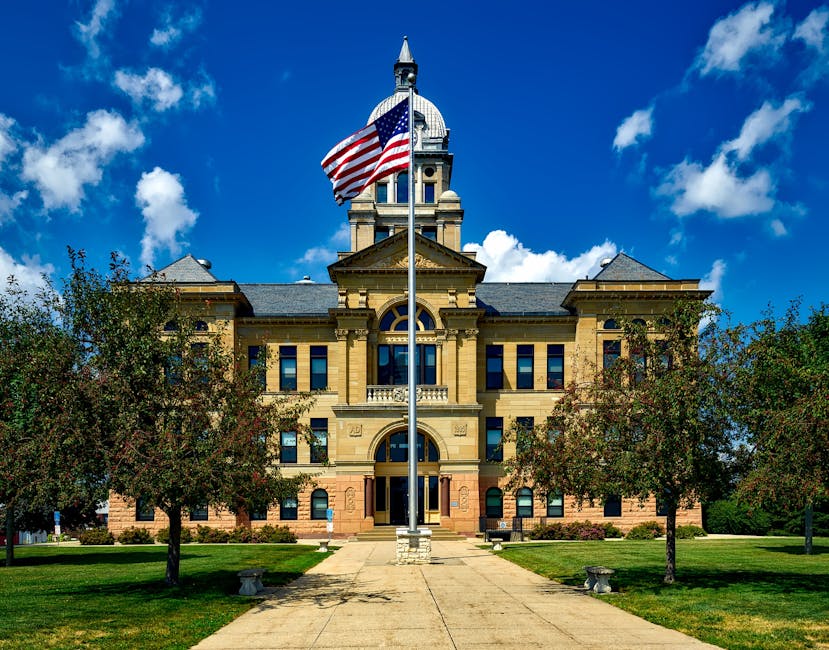
Criminal cases in Travis County are prosecuted by two offices — the Travis County District Attorney (509 W. 11th St., Austin TX 78701; 512-854-9400) handles felonies and family-violence cases, while the Travis County Attorney (512-854-9415) prosecutes misdemeanors — and are heard at the Blackwell-Thurman Criminal Justice Center (509 W. 11th St., Austin TX 78701), which houses the felony district courts and the County Courts at Law. Arrests flow from the Austin Police Department, the Travis County Sheriff's Office (which operates the Travis County Jail downtown and the Correctional Complex in Del Valle), the University of Texas and other campus police, and state agencies including DPS and the Capitol police. Travis County's prosecutorial culture is among the most reform-minded in Texas — recent District Attorneys have adopted policies declining or diverting many low-level offenses, expanding diversion, and emphasizing alternatives to incarceration — which shapes charging, plea offers, and diversion eligibility in ways that differ markedly from more punitive Texas counties. Texas penalty ranges still apply: Class C misdemeanors (fine-only) through Class B (to 180 days) and Class A (to 1 year county jail), then state jail felonies (180 days–2 years), third-degree (2–10 years), second-degree (2–20), first-degree (5–99 or life), with habitual-offender enhancements available.
Indigent defense in Travis County runs through the Capital Area Private Defender Service (CAPDS) — a managed-assigned-counsel system that appoints and oversees qualified private attorneys — together with the Travis County Public Defender's Office, established in 2020 to provide institutional defense with specialized units. Request appointed counsel at magistration and at every setting until resolved; eligibility turns on income, assets, and charge seriousness, and posting bond does not by itself disqualify you. Bail follows Texas Code of Criminal Procedure art. 17.15 (bail may not be an instrument of oppression; ability to pay must be considered), and Travis County has been a leader in bail reform — using personal-bond releases through Pretrial Services for many defendants who cannot afford cash bail, with risk assessment and conditions (check-ins, GPS, interlock for DWI, no-contact in family-violence cases) rather than money as the default for lower-level offenses. Bond-reduction motions and writs address amounts set beyond reach. Two warnings apply to every Travis County arrestee: jail calls are recorded and prosecutors pull them (discuss logistics only), and family-violence bond conditions bar any contact with the protected person, even invited contact. Invoke your rights clearly — "I am not answering questions and I want a lawyer" ends questioning; anything less invites the interview that becomes the State's best exhibit.
Most cases resolve through negotiation, and Travis County's diversion architecture is among the most developed in Texas. The offices operate and support pretrial diversion programs whose completion ends in dismissal (preserving expunction eligibility), a mental-health public-defender and diversion track, and a robust set of specialty courts: the Travis County Veterans Court (a natural fit given the region's veteran population), multiple drug-court and DWI-court dockets, a mental-health court, and programs addressing homelessness and low-level offenses. Marijuana enforcement has been sharply curtailed — following state hemp-law changes and local policy, small-quantity possession cases are frequently declined or cite-and-released rather than prosecuted. Statutory tools follow: deferred adjudication (art. 42A.101 — a plea without a finding of guilt; successful completion avoids conviction and often supports a later order of nondisclosure, but it counts as a conviction for immigration and many licensing purposes, and violation exposes the full punishment range), straight probation, and negotiated reductions. Felonies must be indicted by a grand jury, and defense packets seeking no-bills or reduced charges are a live practice — Texas's robust self-defense and stand-your-ground law, insufficient-evidence cases, and over-charged offenses are where they work. Trial remains the backstop, and before Travis County's educated, historically defense-receptive juries, credible trial preparation is genuine leverage in plea negotiations.
Collateral consequences deserve equal attention. Immigration: Travis County's foreign-born population is large and internationally sourced (the tech workforce, the university, and established immigrant communities), and although Travis County has resisted aggressive cooperation with ICE, Texas's SB4 requires honoring detainers and the jail screens bookings — so a noncitizen arrested for even a minor offense should assume ICE may learn of it, and Padilla v. Kentucky obligates defense counsel to give accurate immigration advice before any plea. Drug convictions (deferred adjudication included, for immigration purposes), aggravated-felony sentence math (365 vs. 364 days), crimes involving moral turpitude, and family-violence findings each carry distinct removal consequences that competent counsel structures around. Professional and status consequences: the tech and healthcare workforce holds licenses and, in some roles, security clearances that arrests and dispositions can jeopardize; nurses, physicians, teachers, lawyers, and CDL holders face board-reporting rules; students at UT and the region's colleges face Title IX and campus-disciplinary proceedings that run parallel to (and can be complicated by) the criminal case; and family-violence findings carry the federal firearm disability (18 U.S.C. §922(g)(9)). The rule: no plea, however minor it looks, before the collateral map is drawn.
Record relief afterward is often available and worth pursuing in a hiring market thick with background checks. Expunction (Tex. Code Crim. Proc. Ch. 55) erases arrests that ended in acquittal, dismissal (including after diversion completion), no-billed or never-filed charges after limitations run, and certain pardons — an expunged arrest can be lawfully denied. Orders of nondisclosure (Tex. Gov't Code Ch. 411, Subch. E-1) seal successfully completed deferred adjudications and some convictions — including qualifying first-offense DWIs after waiting periods with interlock compliance — from public checks while remaining visible to law enforcement and licensing boards; waiting periods run from immediate to five years. Petitions are filed through the Travis County District Clerk (512-854-9457), with the prosecuting office entitled to review. Texas RioGrande Legal Aid (512-374-2700), Volunteer Legal Services of Central Texas (512-476-5550), the University of Texas School of Law clinics, and periodic expunction clinics handle petitions at low or no cost, and the Travis County Public Defender and CAPDS can advise on eligibility. Post-conviction, Article 11.07 writs address ineffective assistance and new evidence, and Travis County's prosecutors have supported conviction-integrity review. For victims and families navigating the same building, the DA's and County Attorney's victim-services units, SAFE (512-267-7233), and Crime Victims' Compensation through the Texas AG coordinate protection and services — the courthouse serves both directions of every case.
Need legal documents for your defense?
Character references, release forms, and legal correspondence templates.
Sponsored links. Affiliate disclosure · Compare all options