
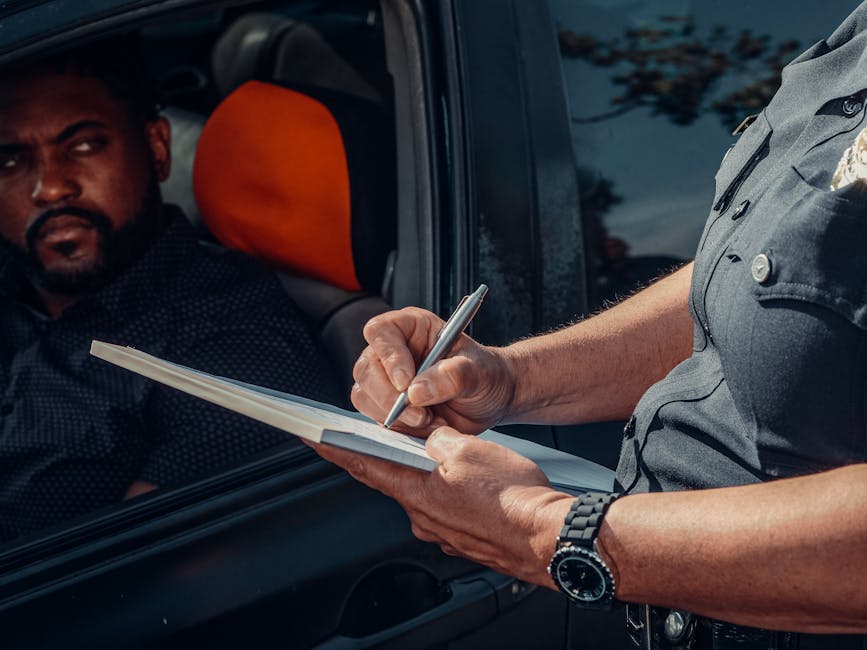
Texas calls the offense DWI, not DUI, and in Fort Worth an arrest for driving while intoxicated launches two separate cases at once. The criminal charge under Penal Code §49.04 rests on either a blood-alcohol concentration of 0.08 or higher or the loss of normal mental or physical faculties, and it is prosecuted by the Tarrant County Criminal District Attorney at the Tim Curry Criminal Justice Center. Fort Worth's nightlife feeds a steady DWI docket — the Stockyards honky-tonks and Billy Bob's Texas on the North Side, the West 7th and Sundance Square entertainment districts downtown, and the TCU-area bars along Berry Street and University Drive — with the Fort Worth Police Department and DPS running enforcement on I-35W, I-30, and the surface arterials. In Texas the term DUI is reserved for a driver under 21 who has ANY detectable amount of alcohol (Alcoholic Beverage Code §106.041), a zero-tolerance rule that catches college students hard. Penalties escalate quickly: a BAC of 0.15 or higher is a Class A misdemeanor (§49.045 addresses a child passenger, a felony), and an intoxicated crash that injures or kills becomes intoxication assault (§49.07) or intoxication manslaughter (§49.08).
The second case is administrative and moves faster than the criminal one. Under Texas's Administrative License Revocation (ALR) program, refusing or failing a breath or blood test triggers a driver's-license suspension, and you must REQUEST an ALR hearing within 15 DAYS of receiving the notice or the suspension takes effect automatically. That civil hearing before the State Office of Administrative Hearings is separate from the criminal case, but it is a valuable early look at the officer's evidence and a chance to keep your license. Tarrant County regularly runs NO-REFUSAL enforcement — during holidays and high-DWI weekends, officers obtain a blood-search warrant from an on-call magistrate when a driver refuses a breath test, so a refusal often does not prevent a blood draw. Refusing the roadside field-sobriety and portable-breath tests is generally within your rights and denies the State some evidence, but the statutory-warning consequences for refusing the post-arrest chemical test — the license suspension — still follow, which is exactly what the 15-day ALR deadline governs.
A DWI conviction carries consequences well beyond the courtroom fine. A first offense is a Class B misdemeanor (up to 180 days in jail and a fine), a second is a Class A, and a third is a third-degree felony, with additional state DWI surcharges and sharply higher insurance costs through the SR-22 requirement. During a suspension, an OCCUPATIONAL (essential-need) driver's license can allow limited driving for work, school, and household duties, and the court may impose an ignition interlock — a deep-lung breath device — as a bond or probation condition, particularly for a high BAC or a repeat offense. For the Fort Worth commercial-driving workforce around BNSF, AllianceTexas, and the trucking corridors, a DWI is far more serious: it disqualifies a commercial driver's license for at least a year even when the driver was in a personal vehicle, a career-ending event that ordinary drivers do not face. Underage drivers convicted under the DUI zero-tolerance law face license suspension, alcohol-education requirements, and community service, and a minor in possession or a fake-ID charge often accompanies the stop.
Fighting a Fort Worth DWI means attacking each link in the State's chain. The defense examines whether the officer had reasonable suspicion for the stop and probable cause for the arrest, how the standardized field-sobriety tests were administered (and whether medical conditions, footwear, or roadside conditions on a Stockyards or West 7th street skewed them), the maintenance and calibration records of the Intoxilyzer breath instrument, and the chain of custody and analysis of any blood draw, including the qualifications of the analyst and the handling of the sample. The Michael Morton Act entitles the defense to the offense report, the officer's body-camera and dash-camera video, and the maintenance and lab records. Since 2019, a first-time DWI defendant with a BAC under 0.15 may be eligible for deferred adjudication, which — unlike a conviction — can later support an order of nondisclosure sealing the record, a meaningful change because a DWI conviction is generally not expungeable once it is final. Rising-BAC defenses, breath-testing science, and improper-stop challenges are where Fort Worth DWI cases are won or reduced.
The practical playbook after a Fort Worth DWI arrest is time-sensitive. Calendar the 15-day ALR deadline immediately, because missing it forfeits your best early chance to keep your license and to preview the State's evidence. Get the criminal case in front of a DWI-experienced Tarrant County lawyer quickly, request preservation of the breath-instrument and blood-lab records and all video before anything cycles out, and do not discuss the night with anyone but counsel. Consider the alternatives to driving that Fort Worth actually offers — Trinity Metro buses, TEXRail and TRE trains, the Molly the Trolley downtown circulator, and rideshare — which counsel and courts view favorably and which prevent the far worse outcome of an intoxication-assault or manslaughter charge after a crash. For record relief afterward, deferred-eligible first offenders should protect that path, and for representation, the Tarrant County Bar Association referral service and Legal Aid of NorthWest Texas can point drivers to DWI counsel, most of whom offer a free initial consultation and a written fee agreement. A DWI is beatable and often reducible, but only if the 15-day clock and the evidence deadlines are respected from day one.
Need legal documents for your traffic case?
Hardship license requests, hearing prep forms, and correspondence — state-specific.
Sponsored links. Affiliate disclosure · Compare all options