
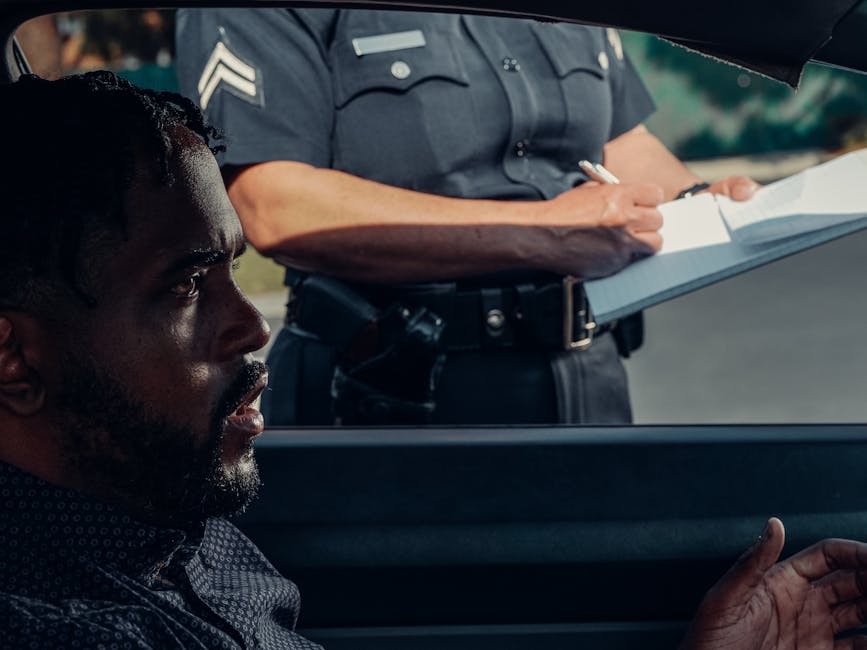
DWI enforcement in the City of Dallas concentrates around the nightlife corridors, Deep Ellum, Lower Greenville, Uptown, Bishop Arts, and the West End, plus event traffic around the stadiums and the American Airlines Center and the bar districts that fill on weekends. In Texas the offense is driving while intoxicated, not DUI, and misdemeanor DWI is prosecuted by the Dallas County District Attorney in the county criminal courts at law, while felony DWI (a third offense, intoxication assault, or intoxication manslaughter) is prosecuted in the felony criminal district courts at the Frank Crowley Courts Building. Dallas County runs no-refusal enforcement on high-volume weekends, holidays, and major event nights, so an on-call magistrate can issue a blood search warrant within minutes when a driver declines testing, which means a refusal here typically produces a warranted blood draw rather than a lack of evidence. Penalties escalate quickly: a first-offense DWI is a Class B misdemeanor (72 hours to 180 days in county jail, a fine up to $2,000, plus a separate state fine on conviction), rising to a Class A at a BAC of 0.15 or higher; a second is a Class A with a mandatory minimum jail term; a third is a third-degree felony; a DWI with a child passenger under fifteen is a state jail felony; intoxication assault is a third-degree felony and intoxication manslaughter a second-degree felony.
Every arrest launches two separate cases, and the license case has the shorter fuse. If you fail or refuse a breath or blood test, the officer serves notice of an Administrative License Revocation, and you have just fifteen days to request an ALR hearing with the State Office of Administrative Hearings, or the suspension begins automatically on the fortieth day (90 days for a failed test, 180 for a refusal, longer with priors). The ALR hearing is more than a license proceeding; it is the defense's first sworn cross-examination of the arresting officer about the stop, the field sobriety tests, and the statutory warnings, and any inconsistency developed there becomes impeachment in the criminal case. A suspended driver can obtain an occupational, or essential-need, license for work, school, and household necessities, and since 2015 most first-offense alcohol suspensions can instead be bridged with an ignition-interlock-restricted license that permits unrestricted driving. Commercial drivers face a far harsher rule: a first DWI in any vehicle disqualifies a commercial license for one year, with no occupational commercial license available, which threatens the livelihood of the many trucking and delivery drivers based in the Dallas freight economy.
DWI defenses succeed regularly in Dallas County because the state's evidence has more moving parts than a citation suggests. The stop requires reasonable suspicion, and challenges to weaving-within-a-lane stops, anonymous tips, and prolonged detentions can suppress everything that follows. Standardized field sobriety tests, the horizontal gaze nystagmus, walk-and-turn, and one-leg stand, are scored subjectively, are frequently administered off-protocol, and are skewed by age, weight, injury, footwear, and nerves. Breath testing on the Intoxilyzer depends on a fifteen-minute observation period, operator certification, and machine-maintenance records, while blood testing invites scrutiny of the warrant affidavit, the qualifications and technique of the person who drew the blood, the chain of custody, and the analysis itself, and the lab records, calibration data, and analyst credentials are all discoverable and contestable. Rising-alcohol defenses, medical conditions that mimic impairment, and a disconnect between good driving and a high test all fit specific fact patterns. Body-camera, dash-camera, and private surveillance video, abundant in the camera-dense entertainment districts of Deep Ellum and Uptown, should be requested and preserved immediately before retention windows close.
Eligible defendants have meaningful off-ramps. Since 2019 a first-offense DWI with a BAC under 0.15 is eligible for deferred adjudication, a guilty plea without a conviction if supervision with an ignition interlock is completed, and it later becomes eligible for an order of nondisclosure sealing the record; the caveats are that it still counts as a prior if there is ever a second DWI, and for a noncitizen it functions as a conviction for immigration purposes. Dallas County operates a DWI-court track for repeat and high-risk offenders that emphasizes monitoring, testing, and treatment over maximum incarceration, and a standard probation outcome bundles a DWI-education program, a victim-impact panel, community service, and interlock conditions. What a Dallas DWI is not is a traffic ticket: a conviction is permanent and never expungeable, triggers SR-22 high-risk insurance for years, requires reporting for nurses, physicians, teachers, pilots, attorneys, and commercial-license holders, and for the city's large noncitizen population, while a simple first DWI is not by itself deportable, it undermines DACA renewals, naturalization good-moral-character findings, and discretionary relief, and the arrest exposes removable people to jail screening under SB4.
Ordinary traffic enforcement runs on a separate and more forgiving track. Class C moving violations inside the city go to the Dallas Municipal Court downtown, while citations in unincorporated Dallas County and from the Sheriff or DPS on county roads go to the county's justice of the peace courts. Almost every moving-violation defendant qualifies for a driving safety course, which dismisses the ticket for an eligible driver who requests it before the appearance date, or for deferred disposition, a dismissal after a clean probationary period, either of which beats simply paying, because a straight payment is a conviction that lands on the DPS record and raises insurance. Commercial-license holders are ineligible for both and must contest citations on the merits to protect the license. Texas abolished the Driver Responsibility surcharge program in 2019, but an unpaid ticket still triggers a warrant and an OmniBase hold that blocks license renewal, and municipal and JP courts must offer payment plans, community service, and indigency alternatives to jail for fine-only offenses. Dallas does not use red-light cameras, because Texas banned photographic traffic enforcement statewide in 2019. Toll roads in the region are run by the North Texas Tollway Authority (the Dallas North Tollway, the President George Bush Turnpike, and the Sam Rayburn Tollway, through the TollTag program), which handles unpaid tolls administratively through fees that can escalate to a registration block, so a disputed toll bill should be contested promptly rather than ignored. Drivers should also know the statewide texting-while-driving ban and Dallas's own restrictions on handheld device use in school zones.
Need legal documents for your traffic case?
Hardship license requests, hearing prep forms, and correspondence — state-specific.
Sponsored links. Affiliate disclosure · Compare all options