
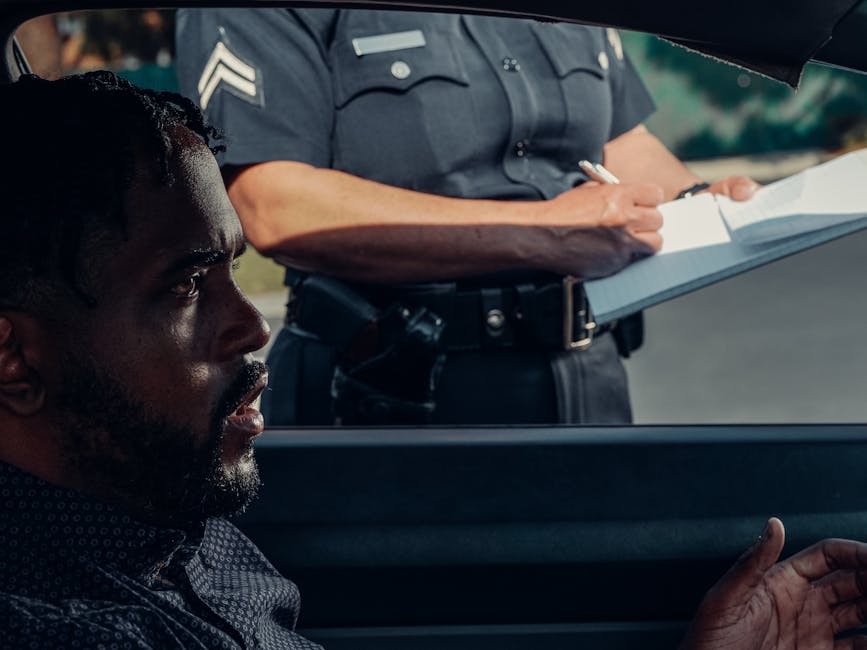
Texas calls it DWI, and in EL PASO a drunk-driving arrest launches TWO separate cases at once: a CRIMINAL prosecution under Tex. Penal Code §49.04 (driving with a BAC of 0.08 or higher, or having lost the normal use of mental or physical faculties) and a civil ADMINISTRATIVE LICENSE REVOCATION (ALR) driver's-license case run by the Texas Department of Public Safety. "DUI" in Texas is a different, narrower offense — a driver under 21 with ANY detectable alcohol under the Alcoholic Beverage Code §106.041. Misdemeanor DWI cases are heard in the El Paso County Courts at Law and felony DWIs in the district courts at the Enrique Moreno County Courthouse, while the Municipal Court handles Class C traffic matters. Arrests come from EPPD on city streets and DPS on I-10, US-54, and Loop 375, and El Paso runs "no-refusal" enforcement periods during which officers obtain blood-search warrants from an on-call judge when a driver declines a breath test. The most important early deadline is the ALR: you have just 15 DAYS from the notice of suspension to REQUEST a hearing, or your license is suspended automatically — a civil clock that runs entirely separate from the criminal case.
The criminal exposure escalates fast. A first DWI is a Class B misdemeanor (up to 180 days in county jail, a fine, and license consequences); a second is a Class A; and a third is a THIRD-DEGREE FELONY (2 to 10 years). Enhancements pile on: a BAC of 0.15 or higher makes even a first offense a Class A (§49.04(d)); driving while intoxicated with a CHILD passenger under 15 is a felony (§49.045); and causing serious injury or death elevates the case to INTOXICATION ASSAULT (§49.07) or INTOXICATION MANSLAUGHTER (§49.08), the latter a second-degree felony that also opens civil exemplary damages. A refusal or a failed test triggers ALR suspension periods that lengthen with prior enforcement contacts, and Texas does NOT use roadside sobriety checkpoints — they are unconstitutional under Texas law — so El Paso DWI stops are individualized and enforcement leans on no-refusal blood warrants and saturation patrols instead. Because so many El Pasoans cross into Juarez and back, a common local scenario is a stop shortly after returning over an international bridge, where the driver's account of when and where they drank becomes central.
License consequences and the paths to keep driving are their own battleground. During an ALR or post-conviction suspension, most El Paso drivers can apply for an OCCUPATIONAL (essential-need) DRIVER'S LICENSE that permits driving for work, school, and household necessities under court-ordered conditions, commonly including an IGNITION INTERLOCK (deep-lung breath device) installed on the vehicle. Interlock is frequently required as a bond condition and after conviction, and DPS administers the surcharge-successor and reinstatement requirements. The interaction with immigration and identification matters here: Texas requires lawful presence for a driver's license, so an undocumented El Pasoan generally cannot obtain a Texas license at all, and a driving-without-a-license or DWI charge can carry outsized consequences for someone already at immigration risk. For a COMMERCIAL driver — a large group in El Paso's cross-border trucking economy — a DWI (in a personal OR commercial vehicle) can disqualify the commercial privilege at the 0.04 CDL threshold and end a livelihood.
A DWI conviction in Texas is generally NOT expungeable, which is why the disposition matters so much. Since 2019, a first-time DWI (BAC under 0.15) can be resolved by DEFERRED ADJUDICATION under limited conditions with an interlock, and a successful deferred can later qualify for an ORDER OF NONDISCLOSURE that seals the record from private background checks — a meaningful benefit for someone whose job depends on a clean record. But a straight DWI conviction stays on the record permanently and counts as a prior forever, so first-offense strategy focuses on the ALR, on challenging the stop and the testing, and on diversion or deferred where available. The criminal file — the officer's report, body-camera video, breath or blood results, and the blood-warrant affidavit from a no-refusal night — drives both the criminal case and any related civil injury claim, and preserving and scrutinizing that evidence early is where DWI defense is won or narrowed.
Beyond DWI, El Paso's ordinary traffic docket runs through the Municipal Court and the Justice of the Peace courts, and Texas abolished RED-LIGHT CAMERA enforcement statewide in 2019, so a civil red-light-camera notice generally cannot be enforced the way a peace-officer citation is. Toll disputes on Loop 375 and the Camino Real Regional Mobility Authority facilities, commercial-vehicle and cross-border trucking citations, and the surcharge-reinstatement tangle that can follow unpaid tickets are common local issues. For any DWI or serious traffic matter, act on both tracks immediately: request the ALR hearing within 15 days to protect your license and preserve cross-examination of the arresting officer, and get defense counsel to demand the video and testing records before they are overwritten. Free and low-cost help is available through the El Paso County Public Defender for qualifying criminal cases and the El Paso Bar Association referral line for DWI attorneys, and interpreters are provided in the courts on request — critical in a city where much of the driving public is Spanish-dominant. A DWI touches your liberty, your license, your job, and, for noncitizens and soldiers, your status and career, so treat the first two weeks as decisive.
Need legal documents for your traffic case?
Hardship license requests, hearing prep forms, and correspondence — state-specific.
Sponsored links. Affiliate disclosure · Compare all options