
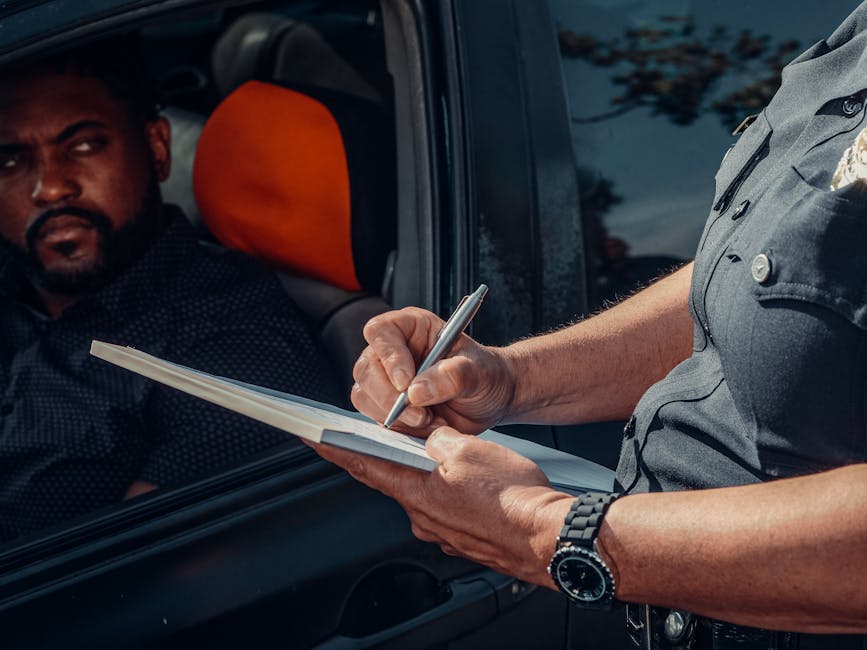
In Texas the offense most people call "DUI" is actually DWI — driving while intoxicated under Penal Code §49.04 — and it means operating a motor vehicle in a public place either with a blood- or breath-alcohol concentration of 0.08 or more, or with the loss of the normal use of mental or physical faculties from alcohol or any drug. A DWI is a jailable offense, so it is not handled at the Austin Municipal Court (which hears only fine-only Class C traffic and ordinance matters); it is prosecuted by the Travis County Attorney in the county courts at law at the Blackwell-Thurman Criminal Justice Center. The Austin Police Department runs active DWI enforcement in and around the downtown entertainment districts — Sixth Street, Rainey Street, and the Red River corridor — and works "no-refusal" initiatives during high-risk weekends and holidays, while DPS troopers handle intoxicated-driving stops on I-35, MoPac, US-183, and the tollways. A first-offense standard DWI is a Class B misdemeanor (up to 180 days in jail and a fine up to $2,000, plus state fines), and every DWI arrest immediately opens two separate cases: a criminal case and a civil driver's-license case.
That second track catches people off guard. When you are arrested for DWI and you either refuse a breath or blood test or fail one (0.08 or higher), the officer serves you notice that the Texas Department of Public Safety intends to suspend your license — this is the Administrative License Revocation (ALR) process, and it is entirely separate from whether you are ever convicted of the crime. The single most important deadline in the whole case is here: you must REQUEST an ALR hearing within 15 DAYS of receiving the notice of suspension, or the suspension takes effect automatically. Requesting the hearing preserves your license while the case is pending and gives your lawyer an early, valuable chance to cross-examine the arresting officer under oath. A refusal generally triggers a longer suspension than a failure, and a prior alcohol-related contact lengthens it further. Missing the 15-day window forfeits this opportunity and lets the suspension proceed by default, so an ALR hearing request should be one of the first things done after any Austin DWI arrest.
Penalties climb quickly with aggravating facts. A breath or blood result of 0.15 or higher elevates a first offense to a Class A misdemeanor; a child passenger under 15 makes it a felony under §49.045; and causing serious bodily injury or death while intoxicated becomes intoxication assault (§49.07) or intoxication manslaughter (§49.08), both felonies carrying prison time. A second DWI and a third (a third-degree felony) bring escalating jail or prison exposure, longer suspensions, and mandatory ignition-interlock conditions. Texas also treats underage drinking-and-driving differently: because the legal drinking age is 21, a driver under 21 with ANY detectable amount of alcohol commits the offense of Driving Under the Influence by a minor under Alcoholic Beverage Code §106.041 — a lower threshold than the adult 0.08 standard, and a real risk for the many UT and community-college students in Austin. Commercial drivers face a stricter 0.04 threshold and lose their CDL on a first offense.
Losing the ability to drive in a car-dependent, sprawling city is often the harshest practical consequence, but Texas provides a path to keep driving. An occupational (essential-need) driver's license, obtained by petition through the court, lets a suspended driver operate for work, school, and household necessities under conditions, frequently including an ignition interlock device (a deep-lung breath device) that prevents the car from starting if it detects alcohol. Interlock is commonly ordered as a bond condition after arrest and as a license condition after conviction, and compliance with it can shorten waiting periods for later record relief. Austin's transit and rideshare options — CapMetro buses and MetroRail, plus Uber and Lyft — are worth planning around both to avoid a DWI in the first place and to manage life during a suspension, but they do not eliminate the need to resolve the license case. The refusal-versus-test decision, the interlock terms, and the occupational-license petition are all areas where early legal guidance materially changes outcomes.
The criminal case turns on the details: whether the traffic stop was lawful, whether field-sobriety tests were properly administered, whether a breath instrument was maintained and operated correctly, and whether a blood draw was supported by a warrant and handled without contamination — Travis County's no-refusal practice means blood-warrant cases are common, and the science and chain of custody are frequently contested. Since 2019 a first-time DWI (with a BAC under 0.15 and no accident injuring others) can be eligible for deferred adjudication, which — if completed successfully — avoids a final conviction and can later support an order of nondisclosure sealing the record; a straight DWI conviction, by contrast, generally cannot be expunged. Because a DWI conviction carries long-term costs — insurance surcharges, employment and licensing consequences, immigration effects for noncitizens, and a permanent record — the first days matter: request the ALR hearing within 15 days, preserve any dashcam and body-camera footage, and consult counsel promptly. Help is available through Texas RioGrande Legal Aid (512-374-2700) for qualifying defendants, the Capital Area Private Defender Service and Travis County Public Defender for the indigent on jailable charges, and the Austin Bar Association referral line (512-472-0279) for DWI-defense specialists.
Need legal documents for your traffic case?
Hardship license requests, hearing prep forms, and correspondence — state-specific.
Sponsored links. Affiliate disclosure · Compare all options