
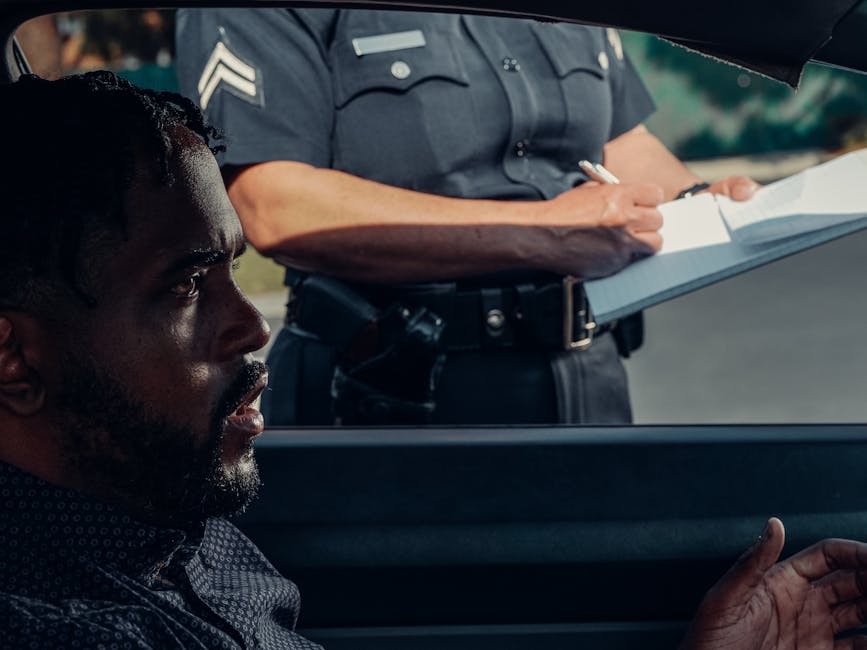
Texas calls it DWI, and for IRVING drivers a charge under Penal Code §49.04 means operating a motor vehicle in a public place while intoxicated — defined as a blood or breath alcohol concentration of 0.08 or higher, OR the loss of normal use of mental or physical faculties from alcohol or drugs. ("DUI" in Texas is a separate, narrower offense: a driver under 21 with ANY detectable alcohol, under Alcoholic Beverage Code §106.041.) Irving cases begin with the IRVING POLICE DEPARTMENT or DPS on the city's busy corridors — SH-114 through Las Colinas, SH-183 (the Airport Freeway), SH-161 (the President George Bush Turnpike), I-635, and the surface routes around the TOYOTA MUSIC FACTORY entertainment district and the airport hotels — and are prosecuted by the Dallas County District Attorney at the Frank Crowley Courts Building. A DWI arrest launches TWO separate cases at once: a CRIMINAL case (jail, fine, probation, a permanent record) and a civil ADMINISTRATIVE LICENSE REVOCATION (ALR) proceeding against your driver's license. They run on different tracks with different deadlines, and the single most time-sensitive step — requesting the ALR hearing — must happen within 15 days of the arrest or the license suspension becomes automatic.
Texas enforces IMPLIED CONSENT: by driving, you consented to a breath or blood test when lawfully arrested for DWI. Refusing triggers a longer license suspension (180 days for a first refusal, up to 2 years for a repeat), and failing a test (0.08 or higher) triggers a shorter suspension (90 days for a first) — but the officer can still obtain your blood. Dallas County regularly runs NO-REFUSAL operations, especially on holiday weekends and around high-traffic nightlife, in which a judge is on call to issue a blood-search warrant within minutes of a refusal, so refusal often does not prevent a blood draw and only adds the refusal-based suspension. The ALR hearing, handled by the State Office of Administrative Hearings, is a valuable early opportunity: your attorney can subpoena the arresting officer and cross-examine under oath, which both defends your license and previews the State's evidence for the criminal case. An OCCUPATIONAL (essential-need) driver's license is available through the Dallas County courts to let you drive for work, school, and household duties during a suspension, typically with an ignition interlock condition.
Penalties escalate quickly. A first DWI is a Class B misdemeanor (up to 180 days in jail, a fine up to $2,000, and a license suspension), rising to a Class A first offense when the BAC is 0.15 or higher (§49.04(d)) — the level Irving prosecutors frequently charge given breath and blood results. A second DWI is a Class A misdemeanor, and a third is a THIRD-DEGREE FELONY (2 to 10 years in prison). Aggravating circumstances add felony exposure: a child passenger under 15 makes it a state-jail felony (§49.045); INTOXICATION ASSAULT causing serious bodily injury is a third-degree felony (§49.07); and INTOXICATION MANSLAUGHTER is a second-degree felony (§49.08), a real risk on the high-speed turnpike and freeway lanes that ring Irving. Texas also imposes annual driver-responsibility-style surcharges and, for many DWIs, a mandatory ignition interlock as a bond or probation condition. Beyond alcohol, ordinary traffic enforcement — speeding on SH-114, toll violations on the SH-161 PGBT, driving without a valid license or insurance, and racing — feeds Class C municipal citations and, when it escalates, higher charges.
Because a DWI conviction is generally NOT expungeable, the disposition strategy matters enormously. Since 2019, Texas has allowed DEFERRED ADJUDICATION for a first-time DWI (for a driver whose BAC was under 0.15 and where no accident injured another), which avoids a final conviction and, after a waiting period with interlock compliance, can become eligible for an order of nondisclosure sealing the record — a path unavailable for years and now a meaningful option for a first offense. But deferred adjudication still counts as a prior if there is ever a second DWI, and it counts as a conviction for immigration and many licensing purposes, so the choice must be made with your full situation in view. The defense examines the reasonable suspicion for the stop, the probable cause for the arrest, the administration and scoring of the standardized field-sobriety tests, the maintenance and calibration of the breath instrument, the blood-draw chain of custody and lab analysis, and any warrant defects — the same evidence the Michael Morton Act (art. 39.14) requires the State to disclose.
The first steps after an Irving DWI arrest are concrete. Request the ALR hearing within 15 DAYS (in writing, to the Department of Public Safety) to protect your license and to gain the discovery advantage. Get the arrest report, the offense number, and — if you can — preserve any dashcam, body-camera, or nearby business video before it is overwritten. Line up an occupational-license application if you need to drive. And retain DWI-experienced counsel quickly, because the science and the deadlines reward early work. For Irving's international residents, a DWI carries added weight: it can undermine naturalization good-moral-character findings, complicate visa renewals, and — when combined with drugs or a child passenger — create serious immigration consequences, so a noncitizen should involve immigration counsel alongside the criminal defense. Commercial drivers face the harshest license rules: a DWI (even in a personal vehicle) can disqualify a CDL, ending an airport-shuttle or trucking livelihood, and a CDL cannot be saved by an occupational license. Free and low-cost guidance is available through the Dallas County Public Defender, Legal Aid of NorthWest Texas, and the Dallas Bar Association referral service (214-220-7400).
Need legal documents for your traffic case?
Hardship license requests, hearing prep forms, and correspondence — state-specific.
Sponsored links. Affiliate disclosure · Compare all options