
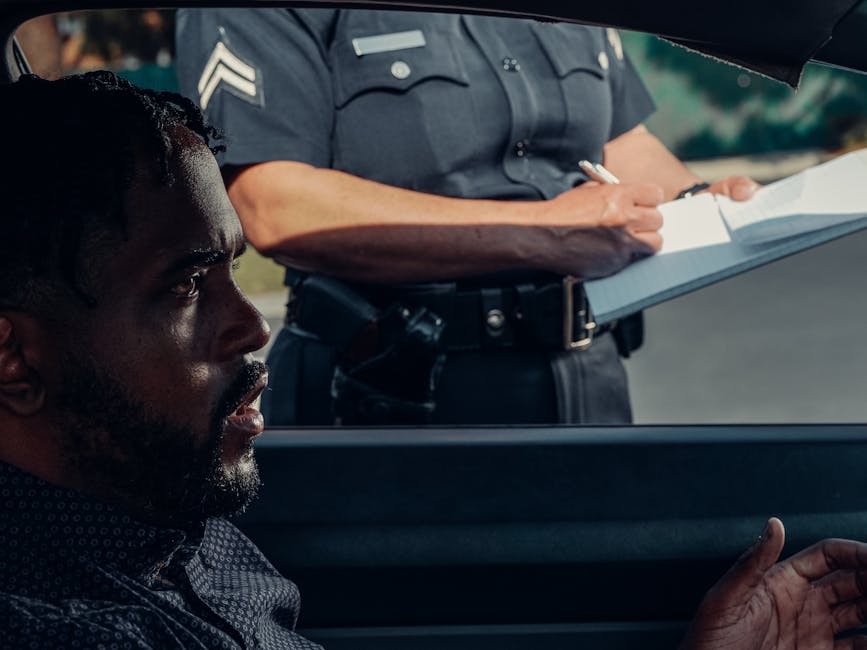
DUI enforcement in the City of Miami is a round-the-clock operation concentrated where the city drinks and drives: the Brickell, downtown, Wynwood, and Design District nightlife corridors, the crowds leaving major events at Bayfront Park and the downtown venues, and the causeway routes back from Miami Beach. The City of Miami Police Department runs saturation patrols and DUI details on city streets, the Florida Highway Patrol works I-95, I-395, the SR 836 Dolphin Expressway, and US-1, and Miami-Dade Police cover unincorporated pockets. Florida's DUI statute (Fla. Stat. §316.193) makes it unlawful to drive or be in actual physical control of a vehicle — keys within reach while parked can count — while impaired by alcohol or drugs, or with a blood or breath alcohol level of 0.08 or above (0.04 for commercial drivers, and a 0.02 administrative standard for drivers under 21). Cases are prosecuted by the Eleventh Circuit State Attorney and heard in the county criminal courts at the Richard E. Gerstein Justice Building (1351 NW 12th St.), with records through the Miami-Dade Clerk of Courts.
The most urgent deadline in a Florida DUI is administrative, not criminal: an arrest with a breath test of 0.08 or above, or a refusal, triggers an immediate license suspension by the Department of Highway Safety and Motor Vehicles (DHSMV), and the driver has only TEN DAYS from arrest to act, with the citation serving as a temporary permit during that window. Within the ten days, the driver or counsel can request a FORMAL REVIEW HEARING at the DHSMV office serving Miami — an evidentiary proceeding where the stop, arrest, and test can be challenged and officers subpoenaed, which doubles as early discovery for the criminal case — or, for a first offender, waive review and immediately obtain a hardship (business-purposes-only) license. Miss the ten days and the suspension runs its course: six months for a first 0.08 result, one year for a first refusal (18 months for a second refusal, which is itself a misdemeanor). Florida's implied-consent law makes refusal expensive, but the test-or-refuse choice is already made by the time counsel is involved — what matters after arrest is using the ten-day window strategically.
Criminal penalties escalate steeply. A first conviction carries a fine of $500 to $1,000, up to six months in jail (nine with a BAC of 0.15 or higher or a minor in the vehicle, which also mandates an ignition interlock), probation with 50 hours of community service, DUI school, a 10-day vehicle impoundment, and a license revocation of six months to a year. A second conviction within five years brings a mandatory 10 days in jail, a five-year revocation, and mandatory interlock; a third within ten years is a FELONY with a mandatory 30 days; and a fourth-ever DUI is a felony with permanent revocation. DUI with serious bodily injury is a third-degree felony, and DUI manslaughter is a second-degree felony with a four-year mandatory minimum. Beyond court, every DUI conviction requires FR-44 insurance — a high-limit certificate ($100,000/$300,000 bodily injury and $50,000 property damage) that must be maintained for three years and typically multiplies premiums — and a DUI conviction can NEVER be sealed or expunged in Florida. Miami-Dade offers one significant off-ramp: the State Attorney's "Back on Track" first-offender DUI diversion, through which eligible participants complete a demanding regimen (substance-abuse treatment, DUI school, community service, interlock or monitoring, and fees) and in exchange resolve the case with a plea to RECKLESS DRIVING rather than DUI — avoiding the DUI conviction, the FR-44, and the lifetime record. Eligibility excludes crashes with injuries, some high-BAC cases, and prior records, so counsel should screen for it immediately.
Defending a City of Miami DUI runs through the evidence chain: the STOP (was there a lawful basis? — weaving cases on the causeways and anonymous-tip stops generate suppression litigation), the FIELD SOBRIETY EXERCISES (administered on sloped shoulders, in club footwear, under flashing lights, and often with instructions given in the driver's second language — all fertile cross-examination), the BREATH TEST (Florida's Intoxilyzer 8000 program requires strict maintenance, calibration, and a 20-minute observation period, and the machine's records are discoverable), and BLOOD DRAWS (warrant and consent issues after crashes). Language is a live issue in this city, because implied-consent warnings and field instructions given in English to a Spanish- or Creole-dominant driver raise genuine comprehension challenges. Two local variations round out the docket: BOATING under the influence (Fla. Stat. §327.35) is charged on Biscayne Bay, off the Miami Marine Stadium sandbar, and around the city marinas at rates few inland cities match — same 0.08 standard, enforced by the Florida Fish and Wildlife Conservation Commission and marine units — and the city's scooter and micromobility boom generates impaired-driving charges on devices many riders do not realize qualify as vehicles.
Noncitizen drivers — a majority of the city — need to know that a simple first DUI is generally NOT a deportable offense, but the immigration picture is unforgiving at the margins: a DUI involving drugs, multiple DUIs, DUI with a suspended-license element, or DUI with child endangerment can create inadmissibility and discretionary problems; a DUI arrest is a near-automatic disqualifier for DACA; TPS and other discretionary statuses can be jeopardized by multiple misdemeanors; and any arrest can surface a person to immigration enforcement through fingerprint sharing at booking. Commercial drivers face career consequences: a first DUI in any vehicle disqualifies a CDL for one year and a second disqualifies it for life, with no hardship CDL available. Rideshare, taxi, and delivery drivers — an enormous city workforce — typically lose platform eligibility on conviction. The practical playbook after any city DUI arrest: calendar the TEN-DAY DHSMV deadline immediately, retain counsel experienced in the Eleventh Circuit's DUI courts (the Dade County Bar referral service, 305-371-2220, lists specialists; the Public Defender represents qualifying defendants), screen for Back on Track eligibility, and, for noncitizens, obtain an immigration-consequence analysis before any plea, because the difference between a DUI conviction and a reckless-driving resolution can be the difference between keeping and losing a status, a career, or both.
Need legal documents for your traffic case?
Hardship license requests, hearing prep forms, and correspondence — state-specific.
Sponsored links. Affiliate disclosure · Compare all options