
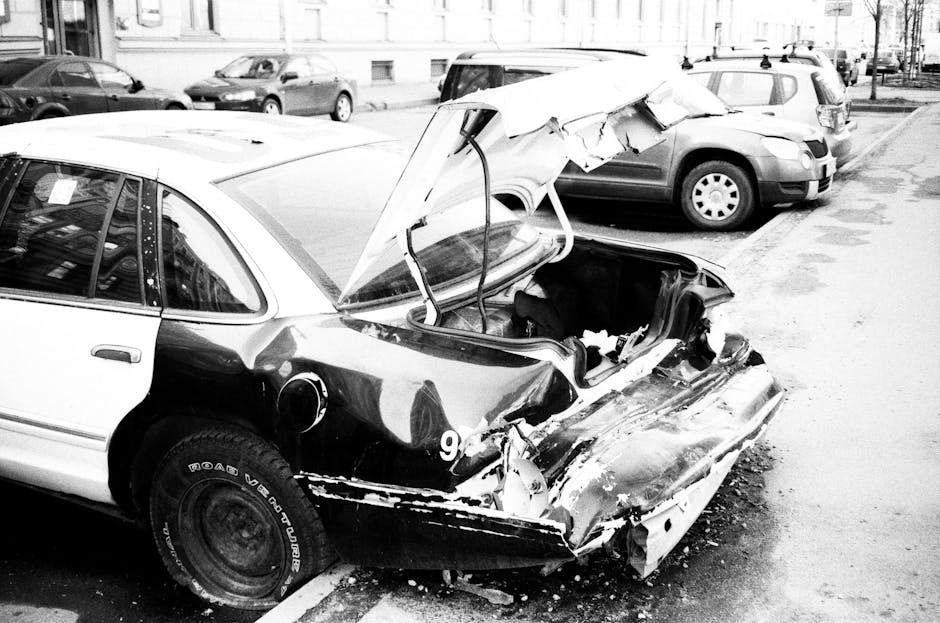
Driving in the City of Miami means navigating some of the most congested and unforgiving roadways in the country. Interstate 95 reaches its final miles here before feeding I-395 and the MacArthur Causeway toward Miami Beach; the SR 836 Dolphin Expressway funnels commuters into the downtown distributor; and surface arterials like Biscayne Boulevard, Brickell Avenue, SW 8th Street (Calle Ocho), Coral Way, NW 7th and 27th Avenues, and the Rickenbacker Causeway carry a volatile mix of commuters, tourists, rental cars, rideshares, delivery scooters, and the trucks feeding the Miami River terminals. Crashes on city surface streets are worked by the City of Miami Police Department traffic unit; the Florida Highway Patrol handles the expressways and causeways; and Miami-Dade Police cover adjacent unincorporated pockets. Injury suits are filed in the Eleventh Judicial Circuit at the Dade County Courthouse (73 W. Flagler St.), where Florida's modified comparative-negligence rule (Fla. Stat. §768.81) now bars any plaintiff found more than 50 percent at fault from recovering, for crashes on or after March 24, 2023. Because the expressway ramps and the street grid interlock so tightly around downtown and Brickell, a single collision can begin on an FDOT state road and end on a City of Miami street, splitting the investigation between FHP and city police in ways that matter when the crash report is assembled.
Florida is a NO-FAULT (PIP) state, and that system dominates the opening phase of every Miami crash claim. Every owner of a registered vehicle must carry $10,000 in Personal Injury Protection, which pays 80 percent of reasonable medical expenses and 60 percent of lost wages regardless of fault (Fla. Stat. §627.736) — but only if you seek initial treatment within 14 DAYS of the crash, and benefits are limited to $2,500 unless a physician certifies an emergency medical condition. To step outside no-fault and sue the at-fault driver for pain and suffering, your injury must cross the serious-injury threshold of Fla. Stat. §627.737 (permanent injury, significant and permanent scarring or disfigurement, or death). Critically, Florida does not require drivers to carry bodily-injury liability coverage at all, and the uninsured-driver rate across greater Miami runs well above the state's roughly one-in-five figure, so UNINSURED/UNDERINSURED MOTORIST (UM/UIM) coverage on your own policy is very often the only meaningful source of recovery for a serious injury. In a city where a fender-bender on Brickell Avenue can involve a driver with no liability insurance, declining UM to save premium is a decision people come to regret.
Miami's crash profile is shaped by density, tourism, and a notorious fraud economy. The city consistently contributes to Miami-Dade's status as the Florida leader in hit-and-run crashes; when the fleeing driver is never identified, your own UM coverage stands in as the phantom driver's liability insurance and PIP still pays regardless of fault, so prompt reporting and a fast canvass for Wynwood, downtown, or Coconut Grove business and doorbell cameras separate recoverable cases from dead ends. Greater Miami is also the national epicenter of STAGED-ACCIDENT and PIP-clinic fraud — swoop-and-squat setups, phantom passengers, and billing mills — which makes local insurers institutionally suspicious of soft-tissue claims and makes a dashcam close to essential equipment. Protect yourself at the scene: photograph every vehicle and every occupant of the other car, refuse a stranger's tow or clinic referral, and report anyone who solicits you afterward, because runner solicitation is a felony-level industry here (report fraud to the DFS hotline, 1-800-378-0445). A crash with a City of Miami fire-rescue truck, a city police cruiser, a Metrobus, or one caused by a dangerous roadway condition triggers the §768.28 sovereign-immunity notice requirements and the $200,000 / $300,000 caps.
The insurance archaeology of a serious Miami crash is often the whole case. After the 14-day PIP window is secured and the threshold-injury analysis is done, the value turns on finding every available policy: the at-fault driver's bodily-injury coverage (if any), your own UM/UIM, resident-relative policies, employer and rental-car coverage, and rideshare coverage — Uber and Lyft carry $1 million in liability and UM/UIM during an active ride, significant in a city where rideshare density around Brickell, the airport corridor, and the nightlife districts is among the nation's highest. Rideshare coverage turns on the app phase: with the app on but no ride matched, the platform provides only limited coverage and the personal insurer often denies; en route to or carrying a passenger triggers the $1 million policy, established by subpoenaing the trip and GPS data. Commercial-truck crashes on the Dolphin Expressway or feeding the Miami River docks require immediate preservation of the tractor's electronic control module and the driver's hours-of-service logs, because a carrier often dispatches its own rapid-response team within hours. Serious crash victims are transported to Ryder Trauma Center at Jackson Memorial in the Health District, the Level I trauma center that receives the city's worst wrecks.
After a city crash, call 911 and let the City of Miami Police or the Florida Highway Patrol document the scene; photograph vehicle positions, plates, skid marks, and any nearby traffic or business cameras before anything moves; exchange license, registration, and insurance; and seek medical evaluation within a day or two even for a seemingly minor injury, since whiplash and concussion symptoms surface later and a treatment gap is what adjusters exploit. Florida requires drivers to report crashes involving injury, death, or significant property damage, and the crash report is pulled from the Florida Crash Portal once it is filed. Report the crash to your OWN insurer promptly (cooperation is a policy condition, and PIP and UM live there), but do not give the at-fault driver's insurer a recorded statement or sign its medical authorizations. For dispute or coverage problems, the Florida Department of Financial Services consumer helpline (1-877-693-5236) takes complaints. Legal Services of Greater Miami (305-576-0080) assists qualifying residents, and the Dade County Bar referral service (305-371-2220) lists crash specialists; the city's plaintiff bar works on contingency in Spanish and Haitian Creole. Bring the crash report, photos, your declarations page, and your medical records to the first meeting — in this city, the difference between a denied claim and a full recovery is usually the quality of the first two weeks of documentation.
Need legal documents after an accident?
Demand letters, release forms, and settlement agreements — ready in minutes.
Sponsored links. Affiliate disclosure · Compare all options