
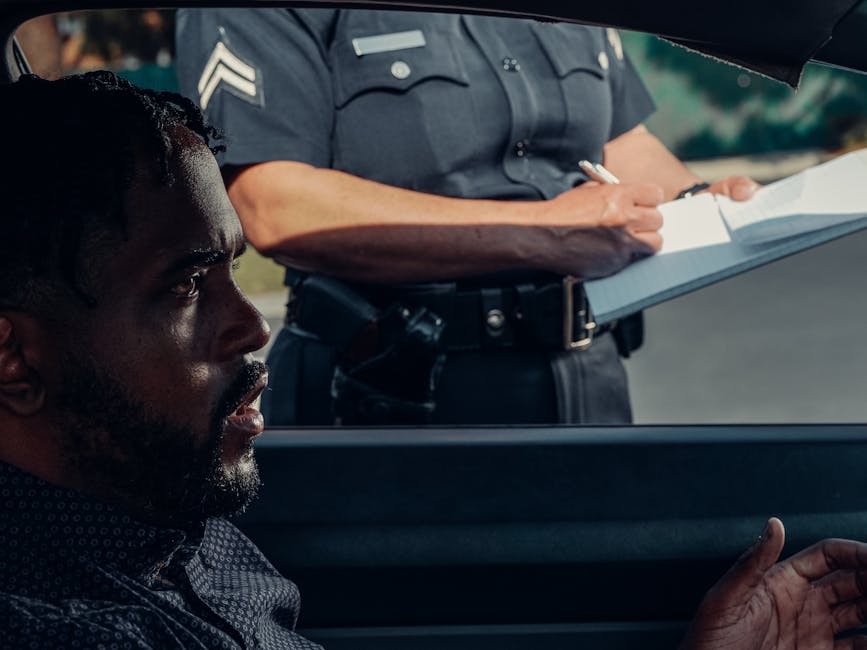
DUI enforcement in Duval County is heavy, concentrated around Jacksonville's nightlife districts (downtown, the Jacksonville Beaches, San Marco, Riverside/Five Points), the sprawling car-dependent suburbs, and the interstates and St. Johns River bridges. Cases are prosecuted by the State Attorney for the Fourth Judicial Circuit (904-255-2500) in the county criminal division (misdemeanor DUI) and circuit court (felony DUI) at the Duval County Courthouse. In Florida the offense is "DUI" — driving under the influence — under Fla. Stat. §316.193, committed when a driver is in actual physical control of a vehicle while impaired by alcohol or a controlled substance OR with a blood/breath alcohol level of 0.08 or higher. Penalties escalate steeply: a first DUI carries up to 6 months in jail, a $500–$1,000 fine, up to a year of probation, 50 hours of community service, a 10-day vehicle impound, mandatory DUI school and any recommended treatment, and a license revocation of 6 months to a year. A breath/blood level of 0.15 or higher, or a minor in the vehicle, roughly doubles the fine and adds mandatory ignition-interlock time. A second DUI within five years carries a mandatory minimum of 10 days in jail and interlock; a third within ten years is a THIRD-DEGREE FELONY; a fourth is a felony regardless of timing; and DUI causing serious bodily injury or death (DUI manslaughter) is a felony with years of prison and a mandatory minimum. For the county's large military population, a DUI carries added weight — it can trigger command action, jeopardize a security clearance, and damage a military career.
Every DUI arrest starts two separate cases — the criminal case and an administrative driver's-license case — and the license case has a very short fuse. Under Florida's implied-consent law, refusing a lawful breath, blood, or urine test triggers an automatic administrative license suspension (one year for a first refusal, 18 months for a second, and a second refusal is itself a separate misdemeanor), and failing the test (0.08+) triggers a suspension as well. The Florida Department of Highway Safety and Motor Vehicles (DHSMV) suspends the license administratively, and you have only 10 DAYS from the arrest to act — either to request a formal review hearing to challenge the suspension, or to waive that hearing and immediately apply for a "business purpose only" hardship license (which requires enrolling in DUI school). Miss the 10-day window and the suspension takes effect with no early hardship option. The formal review hearing is also an important early discovery tool, letting the defense subpoena and question the arresting officer under oath about the stop, the field sobriety exercises, and the breath-test procedures — testimony that frequently becomes impeachment material in the criminal case.
DUI defenses are real and frequently succeed in Duval County because the State's evidence has many vulnerable links. The traffic stop must be supported by reasonable suspicion — pretextual stops, "weaving within the lane," and anonymous-tip stops are litigated, and an unlawful stop suppresses everything after it. Field sobriety exercises are scored subjectively, often administered on uneven surfaces or in poor conditions, and skewed by age, weight, injury, footwear, nerves, and medical conditions. Breath testing on the Intoxilyzer 8000 (Florida's approved instrument) depends on the 20-minute observation period, instrument maintenance and calibration records, and operator certification. Blood draws require scrutiny of the legal basis, the qualifications of the person drawing blood, and chain of custody, with results running through Florida Department of Law Enforcement or hospital labs whose records are discoverable. Rising-alcohol defenses, medical conditions that mimic impairment, and "good driving, poor testing" disconnects fit particular fact patterns. Florida also makes DUI harder to plea-bargain away than many states — prosecutors face statutory constraints on reducing DUI charges — and a DUI conviction can NEVER be sealed or expunged in Florida, which raises the stakes of fighting for a reduction (often to reckless driving, a "wet reckless") or a dismissal.
For eligible defendants, the Fourth Circuit offers structured alternatives. The circuit has operated a DUI diversion/reduction program allowing certain first-time offenders with lower breath readings and no aggravating facts to complete education, treatment, community service, and monitoring in exchange for a reduction of the DUI to reckless driving — avoiding the mandatory DUI penalties and preserving future options, though it still involves a plea and conditions. Eligible veterans whose DUI connects to a service-related condition may access Veterans Treatment Court. Standard DUI probation bundles DUI school, a victim-impact panel, community service, the vehicle impound, and — for enhanced and repeat cases — ignition-interlock installation. What a Duval DUI is never, however, is a minor traffic matter: beyond the criminal penalties, a conviction is permanent and unsealable, triggers dramatic auto-insurance consequences (FR-44 high-risk filing with substantially higher liability requirements), affects employment and professional licenses (nurses, physicians, insurance professionals, commercial drivers), disqualifies a commercial driver's CDL, jeopardizes security clearances and military careers, and — for noncitizens — while a simple first DUI is generally not itself deportable, it can affect discretionary immigration relief, DACA, and naturalization, and an arrest can surface a person to immigration authorities.
Ordinary traffic violations run on a separate and more forgiving track. Civil traffic infractions (speeding, running a red light, careless driving) are handled through the Duval County Clerk of Courts and the county's traffic magistrates and county court, and drivers generally have options that avoid points: paying the ticket is an admission that adds points to your license, but electing traffic school (basic driver improvement course) for an eligible moving violation results in NO points and no insurance-surcharge trigger — you can elect the course a limited number of times (five per lifetime, one per 12 months), and it must be requested before the deadline on the citation. Contesting the ticket at a hearing is the third option, worthwhile for CDL holders (who cannot use traffic school to mask a violation and must protect the commercial license) and for serious or license-threatening citations. Florida's point system suspends a license at 12 points in 12 months, 18 in 18 months, or 24 in 36 months, and unpaid citations trigger a "D6" suspension and a hold on license and registration renewal. Florida enforces a primary texting-while-driving ban and a hands-free requirement in school and work zones, and Florida adopted permitless concealed carry, but neither changes traffic-enforcement basics. Toll enforcement on Jacksonville-area facilities and SunPass is administrative, escalating through fees to registration holds — disputed toll bills should be addressed promptly rather than ignored.
Need legal documents for your traffic case?
Hardship license requests, hearing prep forms, and correspondence — state-specific.
Sponsored links. Affiliate disclosure · Compare all options