
- BAC limit: 0.08% general; 0.04% commercial drivers; 0.01%/0.04% under age 21
- DMV hearing: must request within 10 days of arrest or waive administrative hearing right
- IID required: all first-time DUI convictions statewide (since January 2019)
- Watson advisement: a prior DUI conviction can support a murder charge if a future DUI causes death
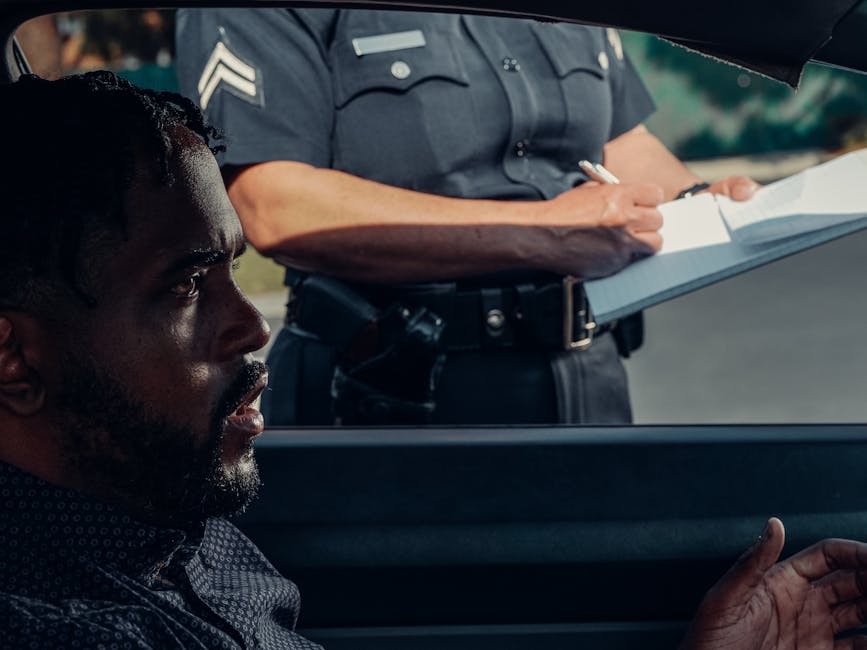
California DUI law has two tracks running simultaneously after an arrest: a criminal proceeding in court and an administrative license suspension proceeding at the Department of Motor Vehicles. Missing the deadline to contest the DMV proceeding — 10 days from the date of arrest — permanently waives your right to an administrative hearing, even if your criminal case is strong. This dual-track structure is one of the first things to understand after a DUI arrest in California.
Two Separate Charges Under Vehicle Code § 23152
A California DUI arrest typically produces two parallel charges. VC § 23152(a) charges driving "under the influence" — impaired ability to drive safely, regardless of measured BAC. VC § 23152(b) charges driving with a BAC at or above 0.08% — a per se violation that doesn't require proving impairment. Prosecutors frequently charge both simultaneously and pursue whichever is stronger based on the evidence. Even if a breathalyzer challenge successfully undermines the BAC reading, the (a) count based on observed driving behavior — weaving, slurred speech, field sobriety test performance — may survive independently.
The Watson Advisement: Prior DUI and Murder Liability
When you are convicted of DUI in California, the court is required to provide the "Watson advisement" — a statement that you are aware that driving under the influence of alcohol or drugs is extremely dangerous to human life, and that if you kill someone while driving under the influence, you can be charged with murder. This advisement is documented in the conviction record.
If you subsequently drive under the influence and someone dies, prosecutors can charge second-degree murder under PC § 187 on the theory of implied malice — that you knew, having been previously warned, that your conduct was dangerous and consciously disregarded the risk to human life. DUI vehicular manslaughter (PC § 191.5) is a lesser charge; murder is the more serious theory available after the Watson advisement. This is not theoretical — California prosecutors regularly file murder charges in subsequent-DUI death cases when a Watson advisement is in the defendant's record.
The 10-Day DMV Hearing Deadline
After a DUI arrest, your California driver's license is subject to administrative per se (APS) suspension by the DMV independently of any criminal court outcome. For a first DUI, the APS suspension is 4 months. For a second within 10 years, it is 1 year. The pink temporary license given at arrest is valid for 30 days — but to contest the suspension and preserve driving privileges beyond that point, you must contact the DMV Driver Safety Office in writing within 10 days of arrest to request a hearing.
Missing the 10-day window means automatically losing the administrative contest — your license is suspended without a hearing after the 30-day temporary period expires. This happens regardless of what occurs in criminal court. An acquittal in criminal court does not reinstate a license lost by failure to timely request a DMV hearing.
Ignition Interlock Device: Required for All First Convictions
Since January 1, 2019 (AB 91), California requires IID installation for all first-time DUI convictions statewide. The IID is installed on your vehicle and requires a breath sample before the engine starts and at random intervals while driving. For a first DUI, the IID requirement runs 6 months. For a second, 1 year. For a third, 2 years. For a fourth or subsequent, 3 years. Installation and monthly monitoring costs run $70–$150 per month, charged to the driver. Some counties offer IID assistance programs for low-income drivers.
The "Wet Reckless" and Other Plea Options
A negotiated plea to "wet reckless" — reckless driving pursuant to VC § 23103.5 — reduces a DUI charge to a reckless driving conviction that still acknowledges alcohol involvement. A wet reckless carries fewer penalties than a DUI conviction but counts as a prior DUI for purposes of enhancement if the defendant is arrested for DUI again within 10 years. For defendants with professional licenses, commercial driver's licenses, or immigration concerns, whether a wet reckless is preferable to a DUI conviction depends on the specific licensing and immigration consequences — each of which requires separate analysis.
Need legal documents for your traffic case?
Hardship license requests, hearing prep forms, and correspondence — state-specific.
Sponsored links. Affiliate disclosure · Compare all options