
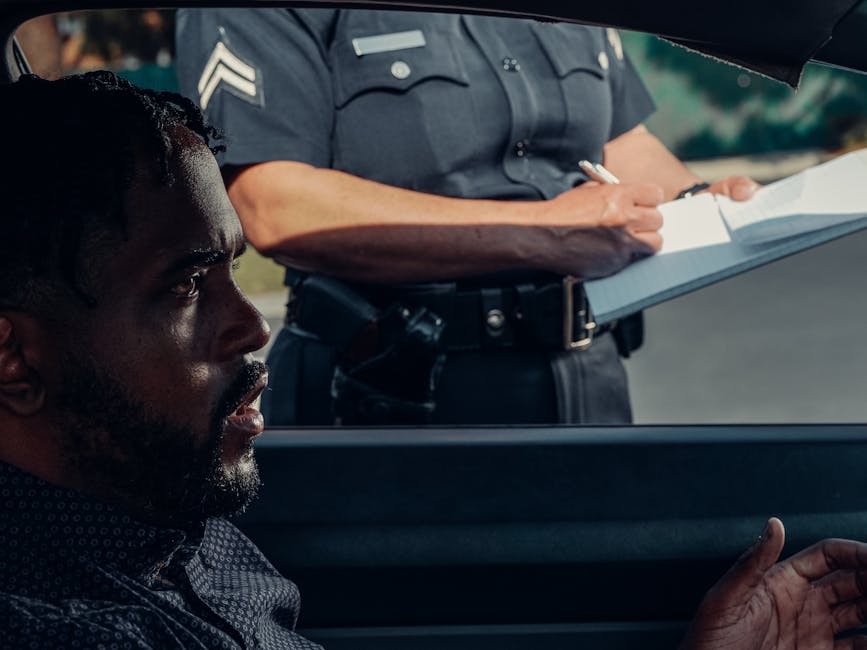
New York calls it DWI, not DUI, and prosecutes DRIVING WHILE INTOXICATED under Vehicle and Traffic Law §1192 as a ladder rather than a single offense. DWAI-ALCOHOL (§1192(1), roughly 0.05 to 0.07 BAC) is a traffic INFRACTION, not a crime — a distinction that changes everything for employment and immigration; DWI per se (§1192(2), 0.08 or higher) and common-law DWI (§1192(3), intoxication proven by observation) are UNCLASSIFIED MISDEMEANORS; AGGRAVATED DWI (§1192(2-a)) starts at 0.18; and DWAI-DRUGS and DWAI-COMBINED are misdemeanors proven through Drug Recognition Expert testimony, a growing share of arrests since cannabis legalization. A second §1192 conviction within ten years is a felony, and LEANDRA'S LAW makes driving intoxicated with a child 15 or younger in the car an automatic felony on a first arrest while requiring an IGNITION INTERLOCK after any misdemeanor-or-higher conviction. In Buffalo, enforcement concentrates where the map predicts: the CHIPPEWA STREET entertainment district and CANALSIDE downtown, the ELMWOOD and HERTEL nightlife strips, Bills game-day traffic heading to and from Orchard Park, and the I-190 and Thruway corridors patrolled by State Police Troop A — with checkpoints run year-round through the Erie County STOP-DWI program.
The arrest moves on two tracks at once, and the second is the one people miss. On the CRIMINAL track, arraignment happens in Buffalo City Court for a city arrest, with felony DWIs moving to Erie County Court, and on a 0.08-or-higher charge the judge imposes a PROMPT SUSPENSION of your license while the case is pending. On the DMV track, if you REFUSED the chemical test a separate DMV REFUSAL HEARING is scheduled within weeks: miss it and revocation is automatic, and lose it and your license is REVOKED FOR ONE YEAR (18 months for a second refusal) plus a $500 civil penalty, entirely independent of whether you beat the criminal case. The refusal decision at the roadside is the highest-stakes moment of the stop, because refusing denies the prosecution a number but triggers that automatic revocation, and the refusal itself is admissible as consciousness of guilt. After suspension, most drivers regain limited mobility through a HARDSHIP PRIVILEGE granted at or shortly after arraignment, and then a PRE-CONVICTION CONDITIONAL LICENSE once 30 days pass, through the DMV and the Impaired Driver Program.
What a conviction actually costs runs far past the fine. A FIRST-OFFENSE MISDEMEANOR DWI brings a fine of $500 to $1,000, up to a year in jail (rare for a clean first offense), a license REVOCATION of at least six months, the Driver Responsibility Assessment, a mandatory ignition interlock for 12 or more months, the Victim Impact Panel, and screening or treatment as directed; the DWAI infraction is far lighter — a $300 to $500 fine, a 90-day suspension, and no interlock — which is why the plea posture matters so much. Aggravated DWI at 0.18 brings a one-year revocation and stiffer prosecutorial resistance, and felony DWIs carry state-prison exposure and five-year interlock terms. COMMERCIAL DRIVERS face career math: a first §1192 conviction, even a DWAI and even in a personal vehicle, means a ONE-YEAR CDL disqualification, and a second means lifetime — decisive in a city whose economy runs on Peace Bridge freight, hospital and plant shifts, and delivery fleets. And every §1192 arrest of a NON-CITIZEN needs immigration review before any plea, because drug-involved, child-aboard, and repeat offenses create inadmissibility and naturalization problems that a border-crossing city feels acutely.
Plea bargaining follows a rule unique to §1192: a DWI charge may be reduced only WITHIN §1192, and the standard first-offense outcome — where the BAC is modest and the evidence has soft spots — is DWI reduced to the DWAI infraction, which avoids the criminal record, shortens the license loss, and skips the interlock, subject to the prosecutor's consent. Ordinary traffic tickets, by contrast, work differently in the CITY of Buffalo than in the suburbs, and this trips people up. A moving-violation ticket issued inside Buffalo city limits is adjudicated at the BUFFALO DMV TRAFFIC VIOLATIONS BUREAU (TVB), where — as at the New York City bureaus — there is NO plea bargaining and no prosecutor to negotiate with: you either plead guilty or contest the ticket at a hearing where the officer testifies before an administrative law judge, and the standard of proof is clear and convincing evidence. A ticket written in a suburb such as Amherst, Cheektowaga, Hamburg, or Tonawanda goes instead to that TOWN OR VILLAGE COURT, where negotiating a reduction with the town prosecutor is routine. Knowing which forum holds your ticket is the first strategic question, because the Buffalo TVB rewards a merits defense, not a plea negotiation.
Two Buffalo particulars deserve their own paragraph. First, the BORDER: a DWI conviction — and in many cases even the DWAI infraction — makes you CRIMINALLY INADMISSIBLE TO CANADA, which treats impaired driving as serious criminality. In a city where crossing the PEACE BRIDGE to Fort Erie is ordinary life — for family, for Bills fans from Ontario, for work and shopping — this can land harder than the fine, meaning refusal at the border for years, with fixes limited to a discretionary Temporary Resident Permit or Criminal Rehabilitation available five years after sentence completion, so Canada belongs in every Buffalo plea decision. Second, the PROGRAM PATH: New York's IMPAIRED DRIVER PROGRAM (the renamed Drinking Driver Program) is the engine of license restoration — enrollment typically unlocks a conditional license, completion can terminate a first-offender's revocation early, and it is available only once every five years. Defense strategy runs through the stop (was there reasonable suspicion for the weave on Chippewa), the testing (field sobriety on an icy lot, the breath instrument's calibration and the 20-minute observation), and the paperwork, and through treatment engaged early and voluntarily, which moves prosecutors, judges, and the DMV alike. Assigned counsel and the Legal Aid Bureau cover those who qualify; for everyone, the first move is to say nothing substantive, note everything about the stop, and get counsel before the refusal hearing.
Need legal documents for your traffic case?
Hardship license requests, hearing prep forms, and correspondence — state-specific.
Sponsored links. Affiliate disclosure · Compare all options