
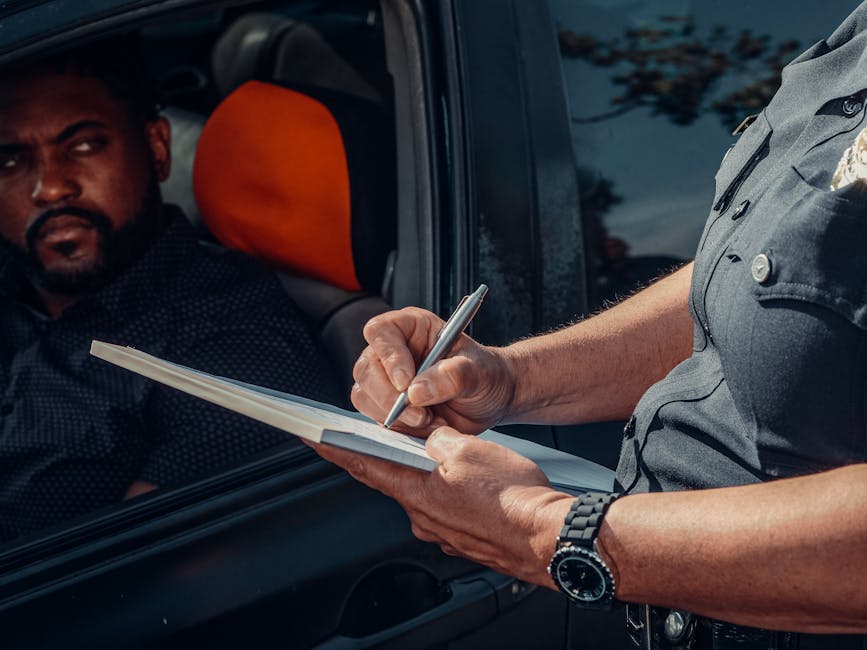
New York calls it DWI, not DUI, and in ALBANY these cases run through ALBANY CITY COURT at 24 Eagle Street (or the surrounding town and village courts for arrests in Colonie, Guilderland, and Bethlehem) with a parallel administrative track at the DEPARTMENT OF MOTOR VEHICLES, whose central offices sit here in the state capital on Swan Street. That two-track structure catches people off guard: the criminal case and the DMV license case proceed separately, and winning or resolving one does not automatically fix the other. The core offenses live in VEHICLE AND TRAFFIC LAW §1192. DWAI (driving while ability impaired by alcohol) applies at a blood-alcohol content of .05 to .07 and is a TRAFFIC INFRACTION, not a crime. DWI applies at .08 or above, or on proof of intoxication, and is a misdemeanor on a first offense. AGGRAVATED DWI applies at .18 or above and carries steeper penalties. Drugged driving falls under §1192(4), and the combination of alcohol and drugs under §1192(4-a). Unlike much of the surrounding traffic docket, a §1192 charge cannot casually be bargained away.
The signature New York rule that shocks first-time defendants is the PLEA-BARGAIN RESTRICTION: under VTL §1192(10), a DWI charge generally CANNOT be reduced below DWAI. In many states a DWI routinely pleads down to reckless driving or a non-alcohol offense; in New York, the floor is usually DWAI, and even that requires the prosecutor's agreement and the court's approval. That single limit is why Albany DWI defense focuses so heavily on the strength of the People's proof — the legality of the traffic stop, the administration of field sobriety tests, and the reliability of the breath or blood test — rather than on a soft plea. Discovery reform helps here: the prosecution must turn over the breath-test instrument's calibration and maintenance records and the operator's certification, and defects in those records can undercut the chemical result. A first DWI conviction brings fines, a mandatory state surcharge, a license revocation of at least six months, an IGNITION INTERLOCK requirement on any vehicle you own or operate, and enrollment issues that ripple into insurance for years.
The CHEMICAL-TEST REFUSAL rules are their own trap. New York's IMPLIED CONSENT law (VTL §1194) means that by driving you have already consented to a chemical test when lawfully arrested for DWI. Refuse the test, and two things happen: the refusal can be used against you at the criminal trial as evidence of consciousness of guilt, and the DMV opens a SEPARATE REFUSAL HEARING that can revoke your license for AT LEAST ONE YEAR (18 months for a commercial driver) and impose a civil penalty — even if you are ultimately acquitted of the DWI itself. The refusal hearing is an administrative proceeding at the DMV, governed by a lower standard of proof than the criminal case, and it happens on a fast timeline, so a driver who refuses needs to act immediately to request and prepare for that hearing. Refusing is not a magic escape; it trades the breath evidence for a longer guaranteed license loss and a refusal that the prosecutor will highlight to the jury.
Penalties escalate quickly with priors and aggravating facts. A second DWI within ten years is a Class E FELONY, and a third within ten years is a Class D felony, exposing a defendant to state prison. LEANDRA'S LAW makes it an automatic FELONY to drive while intoxicated with a child aged 15 or younger in the vehicle, even on a first offense, and it mandates an ignition interlock for all DWI convictions. A CDL holder faces disqualification that can end a driving career, which matters in a region where many state and commercial employees drive for work. For drivers who lose their license, New York offers limited relief: a 20-day stay before the suspension takes effect after arraignment, a possible HARDSHIP PRIVILEGE for essential driving (to work, school, or medical care) during the case, and, after conviction, a CONDITIONAL LICENSE tied to completion of the IMPAIRED DRIVER PROGRAM (IDP, formerly the Drinking Driver Program) — a state-run education course that can restore limited driving privileges. None of these are automatic, and the DMV's own driver-responsibility rules add multi-year assessment fees on top of the fines.
Ordinary traffic tickets follow a different and often simpler path, but Albany's rules matter. Unlike Buffalo and Rochester, Albany does NOT route its street tickets through a DMV Traffic Violations Bureau — a speeding ticket, a cell-phone ticket, or a red-light citation issued within the City of Albany is answered in ALBANY CITY COURT (or the local town court for arrests outside the city), where you can often negotiate a reduction with the prosecutor or the court, an option NYC drivers do not have. New York's POINT SYSTEM is the reason to bother: accumulate 11 points in 18 months and the DMV can suspend your license, and 6 or more points triggers a Driver Responsibility Assessment fee. Speeding (3 to 11 points depending on how far over), a cell-phone or texting violation (5 points), and running a red light (3 points) add up fast, and a plea to a lower-point or non-point offense protects both your license and your insurance rate. School-zone and work-zone speed-camera tickets and red-light-camera tickets are civil liabilities against the vehicle owner with no points, handled by mail. For any ticket that threatens your license or your job, or any DWI, it is worth consulting a lawyer, and the Albany County Bar Association can refer traffic and DWI counsel; the Legal Aid Society of Northeastern New York assists income-qualified drivers facing the collateral fallout of a license loss.
Need legal documents for your traffic case?
Hardship license requests, hearing prep forms, and correspondence — state-specific.
Sponsored links. Affiliate disclosure · Compare all options