
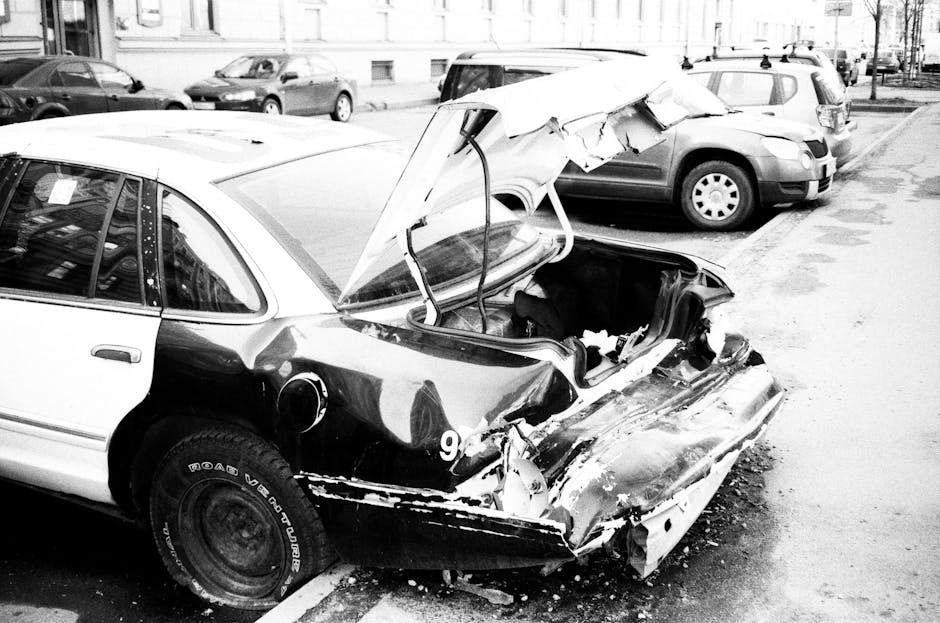
Driving in Buffalo means driving expressways that were cut through neighborhoods and a lake that reshapes the road every winter. The KENSINGTON EXPRESSWAY (Route 33) trenches through the East Side toward the airport and is slated for a generational rebuild; the SCAJAQUADA (Route 198) threads its tight curves past Delaware Park; the SKYWAY (Route 5) and I-190 carry traffic along the waterfront and out to the Peace Bridge and Grand Island; and surface arterials — Niagara Street, Elmwood and Delaware Avenues, Main Street beside the Metro Rail, Bailey Avenue, Broadway, and Genesee Street — mix commuters, cyclists, pedestrians, and NFTA buses at hundreds of intersections. The BUFFALO POLICE DEPARTMENT investigates collisions on city streets, the ERIE COUNTY SHERIFF and NEW YORK STATE POLICE cover the expressways and the Thruway, and crash suits are filed in BUFFALO CITY COURT (50 Delaware Avenue) up to $15,000 or in ERIE COUNTY SUPREME COURT (25 Delaware Avenue) above that. One genuine consolation of city life here is cost: Buffalo auto premiums run far below New York City rates, and the jurors who decide these cases drive the same icy roads and understand exactly what a whiteout does to stopping distance.
Every New York crash claim opens inside the NO-FAULT system under Insurance Law Article 51. Basic PERSONAL INJURY PROTECTION of $50,000 per person rides on every registered vehicle and pays medical bills, 80 percent of lost earnings up to $2,000 a month for up to three years, and incidental costs — no matter who caused the crash — for occupants and for pedestrians or cyclists the car strikes. The deadlines are unforgiving: the NF-2 APPLICATION must reach the insurer within 30 DAYS, and providers must bill within 45 days of treatment. No-fault does not pay for pain and suffering; to sue the at-fault driver for that, your injury must clear the SERIOUS INJURY THRESHOLD of Insurance Law §5102(d) — death, dismemberment, significant disfigurement, a fracture (the bright-line category, since any documented break qualifies), permanent or significant limitation of use, or a medically determined injury that keeps you from your usual activities for 90 of the first 180 days. Fault runs on PURE COMPARATIVE NEGLIGENCE, and the limitations period is three years (two for wrongful death), collapsing to ONE YEAR AND 90 DAYS with a 90-DAY NOTICE OF CLAIM when the defendant is the City of Buffalo, the school district, or the NFTA.
Winter crashes obey their own legal physics on Buffalo's roads. VEHICLE AND TRAFFIC LAW §1180(a) requires a speed that is reasonable and prudent for conditions, which in a lake-effect squall may be twenty miles an hour or zero — so the driver who rear-ends you in a whiteout was, almost by definition, going too fast for what the road allowed, and the rear-end presumption of negligence still applies. The EMERGENCY DOCTRINE gives a driver caught by a sudden, unforeseeable hazard some latitude, but Buffalo juries know that heavy snow in January is not unforeseeable here. SNOWPLOWS are nearly untouchable: VTL §1103(b) holds vehicles actually engaged in highway work to a RECKLESSNESS standard, not ordinary negligence, so a plow-strike case must show conscious disregard, not a mere misjudged pass. And when the City of Buffalo or Erie County declares a DRIVING BAN, as it did in the deadly December 2022 blizzard, being on the road in violation of it becomes powerful comparative-fault evidence against any driver involved — including you.
Who hit you rewrites the strategy. NFTA Metro buses and light rail are public-authority claims — 90-day notice, a 50-h examination, a one-year-90-day deadline, and onboard camera footage that is retained only briefly, so a preservation demand should go out the first week. TRUCKS are constant given the PEACE BRIDGE, one of the busiest U.S.-Canada freight crossings, and the William Street and Walden Avenue corridors that feed it; a heavy-truck crash brings federal motor-carrier rules — hours-of-service logs, electronic control module and telematics data, driver-qualification files, all on short retention cycles — plus New York's VTL §388, which makes the vehicle's OWNER vicariously liable for a permissive driver, and Canadian carriers appear regularly here. RIDESHARE trips outside New York City carry $1.25 million in liability coverage under New York's TNC law, with lower tiers when the app is on without a passenger. The quiet problem is the UNINSURED driver: New York's minimums are just $25,000 per person and $50,000 per crash, plenty of Buffalo vehicles run uninsured or unregistered, and the best dollar on any local policy is SUPPLEMENTARY UM/UIM (SUM) coverage matching your liability limits, which pays your own damages when the at-fault driver's policy is too small.
The post-crash routine is unforgiving of improvisation, and Buffalo's weather rewrites a scene in minutes. Call 911, photograph the vehicles, plates, road surface, weather, and any skid or plow lines before anything moves, and collect every witness's cell number. Get examined the same day — ECMC is the adult trauma center on Grider Street, Oishei Children's the pediatric one on the Medical Campus — because gaps between the crash and treatment are the first thing a defense medical examiner exploits, and concussions and internal injuries often surface late. Within days, report the crash to your own carrier (cooperation is a policy condition), file the NF-2 well inside the 30-day window, and order the police report from the Buffalo Police, the Sheriff, or State Police Troop A. Do not give a recorded statement to the other driver's insurer, and do not sign broad medical authorizations. If a public plow, an NFTA bus, or a city road defect played any part, the 90-day clock is already running, and if the Thruway Authority is involved the Court of Claims deadlines are too. Fees are contingency with free consultations; interpreters are available in court and at the DMV; and a documented file is what wins in front of a Buffalo jury.
Need legal documents after an accident?
Demand letters, release forms, and settlement agreements — ready in minutes.
Sponsored links. Affiliate disclosure · Compare all options