
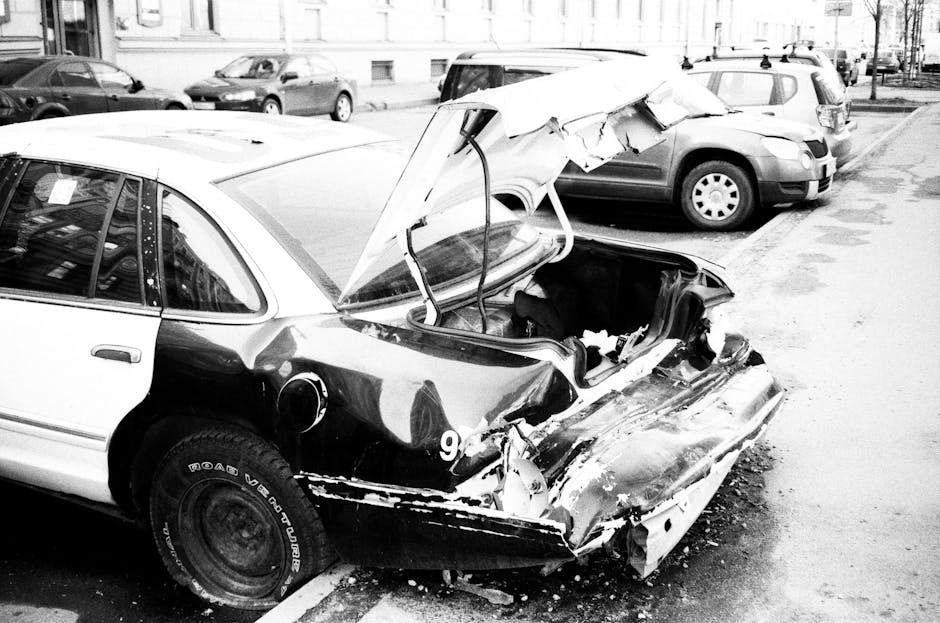
Manhattan traffic is a legal ecosystem all its own — a 13-mile island where CONGESTION PRICING, the first program of its kind in the nation, has tolled the zone below 60th Street since January 2025, where the VISION ZERO default speed limit is 25 MPH, where 24/7 school-zone speed cameras photograph violators around the clock, and where the crash mix skews heavily toward pedestrians, cyclists, and the delivery e-bike fleet rather than two-car collisions. The FDR Drive and the West Side Highway carry the high-speed crashes; the avenues generate the left-turn pedestrian knockdowns that VTL 19-190 — the city's RIGHT-OF-WAY MISDEMEANOR — was written to punish; and the taxi, black-car, and rideshare economy supplies a constant stream of passenger claims. Yellow cabs and for-hire vehicles regulated by the Taxi and Limousine Commission carry commercial coverage, rideshare trips run on the app companies' layered policies, and the delivery trucks double-parked on every block make commercial carriers routine defendants here in a way they are nowhere else. When a crash turns into a lawsuit, the case lands in the SUPREME COURT, CIVIL TERM at 60 CENTRE STREET for serious injuries, or in the NEW YORK CITY CIVIL COURT at 111 Centre Street for claims of $50,000 or less, while the traffic tickets that often accompany a collision are adjudicated not in a criminal court but at the TRAFFIC VIOLATIONS BUREAU — a DMV administrative forum unique to New York City where, unlike everywhere else in the state, NO PLEA BARGAINING of moving violations is allowed.
New York is a NO-FAULT state, and the first month after a Manhattan crash is governed by paperwork, not blame. Every vehicle policy carries at least $50,000 in BASIC PERSONAL INJURY PROTECTION under REGULATION 68, paying medical bills and a large share of lost wages regardless of who caused the collision — and the benefit follows the vehicle, so pedestrians and cyclists struck by a car claim against the striking vehicle's insurer, a rule that matters enormously in a borough where most households do not own a car. Basic PIP pays hospital, physician, and rehabilitation bills at fee-schedule rates, reimburses 80 percent of lost earnings up to $2,000 per month for up to three years, and covers incidental expenses such as transportation to treatment — and drivers who want more protection can purchase OPTIONAL BASIC ECONOMIC LOSS and additional PIP layers above the $50,000 floor, coverage worth every dollar in a county of high earners. The catch is the deadline: the NF-2 APPLICATION FOR NO-FAULT BENEFITS must reach the correct carrier within 30 DAYS of the crash, and treating providers must bill within 45 days, or benefits can be denied outright. Denials arrive on precise forms citing precise grounds — a missed insurer-arranged medical exam, a late bill, an alleged lack of medical necessity — and every one of them is contestable. When a carrier delays or denies, New York's NO-FAULT ARBITRATION system through the American Arbitration Association is genuinely claimant-friendly — a $40 filing fee, the carrier pays the claimant's attorney fee on prevailing claims, and overdue benefits accrue interest at 2 percent per month.
Suing the at-fault driver for pain and suffering requires clearing the SERIOUS INJURY THRESHOLD of INSURANCE LAW 5102(d) — the trade-off at the heart of no-fault. A FRACTURE is the bright-line category that ends the argument; the other routes include significant disfigurement, permanent consequential or significant limitation of use (the contested territory of herniated discs and torn shoulders, won with objective imaging and measured range-of-motion deficits), and the 90/180 CATEGORY for claimants substantially disabled from usual activities for 90 of the first 180 days. Defendants attack the threshold with summary judgment motions built on insurer-arranged medical exams and degeneration arguments, so prompt treatment, objective testing, and an unbroken treatment record are not just good medicine — they are the litigation strategy; economic losses above the $50,000 no-fault package remain recoverable without regard to the threshold. Once over the threshold, the full toolkit opens: PURE COMPARATIVE NEGLIGENCE under CPLR 1411 preserves recovery at any fault percentage, VTL 388 makes the vehicle's OWNER vicariously liable for the driver's negligence — critical in a borough of fleet vehicles, liveries, and borrowed cars — and the STATUTE OF LIMITATIONS is 3 YEARS for injury, 2 YEARS for wrongful death with New York's pecuniary-only damages rule. There are NO DAMAGE CAPS, and Manhattan juries evaluating a lifetime of pain for a pedestrian crushed in a crosswalk are among the most generous in the country.
The defendants themselves are what make Manhattan crash practice distinctive. City vehicles are everywhere — NYPD cruisers, FDNY apparatus, sanitation trucks, school buses, Parks vehicles — and a claim against any of them triggers the 90-DAY NOTICE OF CLAIM under GENERAL MUNICIPAL LAW 50-e, filed through the NYC COMPTROLLER's eClaim system, with a 50-H EXAMINATION and suit within ONE YEAR AND 90 DAYS; buses take the same 90-day notice to the NEW YORK CITY TRANSIT AUTHORITY and its affiliates. Emergency vehicles responding to calls are judged under VTL 1104's RECKLESS DISREGARD standard rather than ordinary negligence, and snowplows in operation get similar protection under VTL 1103(b) — cases that are winnable, but only with evidence of genuinely egregious operation. For the phantom and uninsured drivers that plague the borough, the layers run: a hit-and-run must be reported to police within 24 HOURS to preserve uninsured-motorist coverage; every New York policy carries mandatory UM at $25,000/$50,000 minimums; SUPPLEMENTARY UNINSURED/UNDERINSURED (SUM) coverage on a household policy is the single most important protection a New Yorker can buy; and for the many Manhattan pedestrians and cyclists with no auto policy in the household at all, the MOTOR VEHICLE ACCIDENT INDEMNIFICATION CORPORATION (MVAIC) exists precisely to compensate qualified victims of uninsured and hit-and-run vehicles — with its own short notice deadlines measured in days, not years.
The practical playbook starts at the curb. Call 911 and insist on a police report — in Manhattan the responding precinct's report number is the key that unlocks no-fault, UM, and MVAIC claims alike — then photograph vehicles, plates, the intersection, signal phases, and your own injuries before traffic forces everyone along. Report the crash to the DMV on the required form within 10 days if damage exceeds $1,000, and calendar the 30-DAY NF-2 deadline immediately. Get medical care within days, not weeks: the 90/180 threshold category and the credibility of the whole claim are built on prompt, consistent treatment, and gaps in care are the defense's favorite exhibit. Send preservation letters fast — Manhattan is the most surveilled square mileage in America, with traffic cameras, storefront systems, and building lobbies capturing nearly every collision, but footage cycles out in days to weeks. Watch the ticket side too: at the TVB there is no plea deal to be had, hearings are decided by DMV administrative law judges on a clear-and-convincing standard, and 11 POINTS IN 18 MONTHS suspends a license while 6 points triggers the DRIVER RESPONSIBILITY ASSESSMENT — and anything you say there can echo in the civil case, so coordinate with counsel before testifying. For insurance disputes that stall, the New York DEPARTMENT OF FINANCIAL SERVICES takes consumer complaints at 1-800-342-3736 — a lever that gets adjusters moving. Crash cases in this county are won in the first 30 days; treat the deadlines as the case, because they are.
Need legal documents after an accident?
Demand letters, release forms, and settlement agreements — ready in minutes.
Sponsored links. Affiliate disclosure · Compare all options