
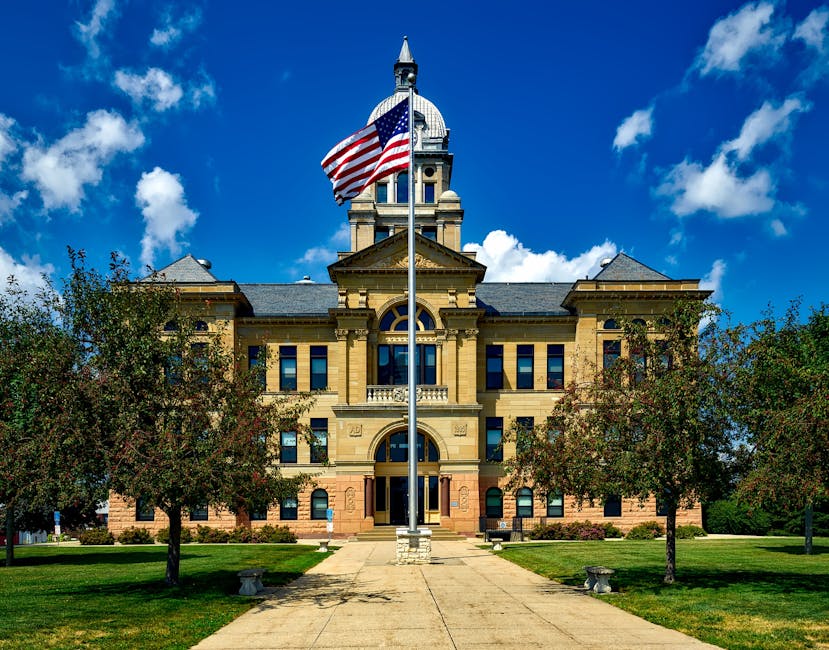
Criminal cases in San Bernardino County are arraigned and tried across a network of courthouses spanning the largest county by area in the contiguous United States — the San Bernardino Justice Center (247 W. Third St., San Bernardino CA 92415) for many valley felonies, the Rancho Cucamonga District Court for the west valley, the Victorville Courthouse for the High Desert, and the Barstow, Needles, Big Bear, and Joshua Tree courthouses for the far desert and mountain regions. The location of the alleged offense generally determines which courthouse hears the case. Arrests are made by the San Bernardino County Sheriff's Department (the region's largest, which also runs the county jails and provides police services to many contract cities and the vast unincorporated areas) and by the police departments of San Bernardino, Fontana, Ontario, Rancho Cucamonga, and other cities with their own forces.
The San Bernardino County District Attorney's Office, led by District Attorney Jason Anderson, prosecutes criminal cases countywide. Statewide changes shape charging exposure: Proposition 36 (the Homelessness, Drug Addiction, and Theft Reduction Act, approved by voters in November 2024) re-classified certain theft and drug offenses that Proposition 47 had reduced to misdemeanors back to "treatment-mandated felonies" or straight felonies under specified repeat-offense conditions, meaningfully changing exposure for defendants with prior qualifying convictions. Defense counsel track these developments closely because they directly affect plea offers and sentencing exposure.
The San Bernardino County jail system — including the Central Detention Center (San Bernardino), the West Valley Detention Center (Rancho Cucamonga), the High Desert Detention Center (Adelanto), and the Glen Helen Rehabilitation Center — is run by the Sheriff's Department, and custody status affects bail negotiation strategy and plea timing. Indigent defendants are represented by the San Bernardino County Public Defender's Office, with the Conflict Defense Panel and appointed private counsel stepping in when the Public Defender has a conflict (commonly in co-defendant cases). A defendant who qualifies financially is appointed counsel at or before arraignment simply by informing the court they cannot afford a private attorney.
Pretrial release in San Bernardino County follows California's post-Humphrey framework (In re Humphrey (2021) 11 Cal.5th 135), requiring courts to consider ability to pay before setting cash bail and to weigh less restrictive alternatives. Many lower-level misdemeanor and non-violent felony defendants are released on their own recognizance (O.R.) or under supervised pretrial release, though the county's bail schedule still applies as a baseline for serious and violent offenses, where courts retain discretion to set high bail or deny release if no condition can adequately address flight risk or danger. Diversion programs remain available for qualifying defendants even after Prop 36's passage — mental health diversion under Penal Code §1001.36, veterans' diversion, and drug court alternatives continue to operate, particularly for first-time and non-violent offenders.
Post-conviction relief is available through the Public Defender's office and private counsel: expungement under Penal Code §1203.4 for eligible completed-probation cases, Proposition 47 and Proposition 64 resentencing or reclassification petitions for certain drug and marijuana convictions, and reduction of "wobbler" felonies to misdemeanors under Penal Code §17(b). Eligibility depends on the specific conviction, time elapsed, and completion of all sentence conditions, and generally requires filing a petition with the original sentencing court. Anyone facing charges should secure counsel immediately — private, public defender, or through the San Bernardino County Bar Association Lawyer Referral Service (909-885-1986) — given how quickly arraignment deadlines and bail decisions move, and how far some defendants and families must travel across the county to court.
Need legal documents for your defense?
Character references, release forms, and legal correspondence templates.
Sponsored links. Affiliate disclosure · Compare all options