
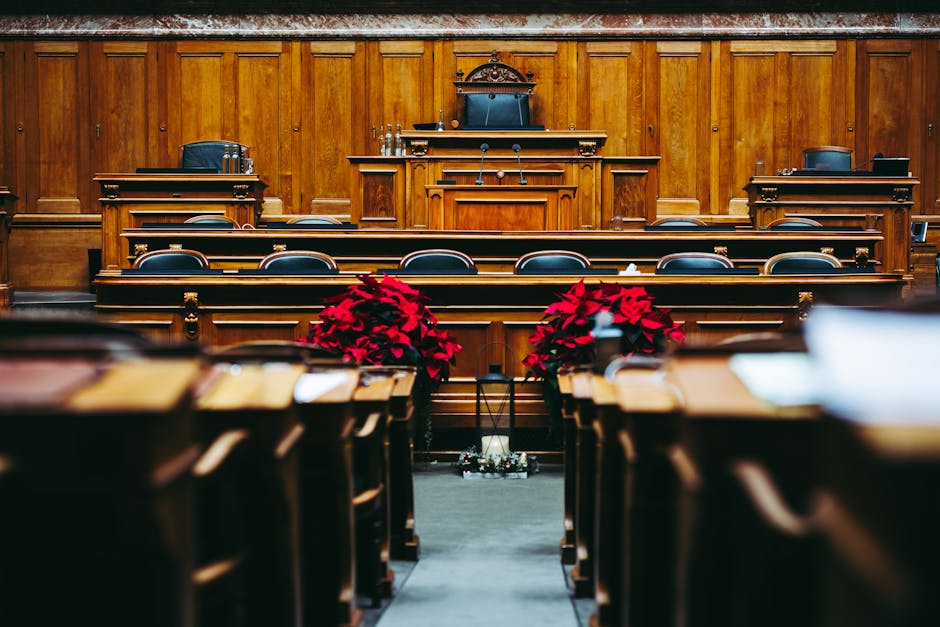
A criminal case in the City of Los Angeles is a two-prosecutor system that surprises people from anywhere else. MISDEMEANORS committed inside city limits — petty theft, DUI, domestic battery, most low-level offenses — are prosecuted by the LOS ANGELES CITY ATTORNEY'S office (Hydee Feldstein Soto), while FELONIES are prosecuted by the LOS ANGELES COUNTY DISTRICT ATTORNEY (Nathan Hochman, who took office after the 2024 election ended the Gascón era and its blanket sentencing policies). Which office holds your case shapes everything from diversion eligibility to plea posture. The cases move through the LOS ANGELES SUPERIOR COURT — the CLARA SHORTRIDGE FOLTZ CRIMINAL JUSTICE CENTER downtown (210 W. Temple St.) is the felony hub, with the Metropolitan Courthouse handling downtown misdemeanors, the Airport Courthouse near LAX, Van Nuys serving the San Fernando Valley, and other branch courts across the city. Arrests are made by the LAPD within city limits (the county Sheriff patrols unincorporated areas and runs the jails), and the initial custody decision now runs through Los Angeles County's post-arrest release protocols — the PRE-ARRAIGNMENT RELEASE PROTOCOLS that replaced the old money-bail schedule for many offenses.
California's substantive criminal law, reshaped by a decade of voter initiatives, governs every LA case. PROPOSITION 47 (2014) reclassified many drug-possession and under-950-dollar theft offenses from felonies to misdemeanors — but PROPOSITION 36, passed by voters in November 2024, partially rolled that back, re-elevating certain repeat theft and fentanyl offenses to felonies with a treatment-mandated 'treatment-mandated felony' track; as of early 2026 the practical effect is still settling in LA courts, and a charge that would have been a misdemeanor in 2023 may now be a felony. PROPOSITION 64 legalized adult cannabis and opened past-conviction resentencing. Bail practice was transformed by IN RE HUMPHREY, the California Supreme Court decision requiring courts to consider ability to pay before setting money bail — an especially large deal in Los Angeles, whose courts adopted zero-bail schedules and pre-arraignment release protocols for many misdemeanors and lower felonies. On self-defense, California has no 'stand your ground' statute, but the CALCRIM jury instructions (505 and 3470) impose NO DUTY TO RETREAT and let a person stand their ground when not the aggressor.
The city's enforcement patterns define its defense practice. LAPD's history — the Rampart scandal, the federal consent decree, and ongoing use-of-force litigation — means suppression motions and credibility challenges are live tools, and body-worn-camera and in-car-video footage is central evidence a defense lawyer must demand early before retention windows close. HOMELESSNESS-related enforcement is a signature LA issue: citations and arrests under anti-camping ordinances (the city's Municipal Code 41.18) and quality-of-life offenses flow through the City Attorney's office, where diversion and the community-court model matter more than punishment. Skid Row, Hollywood, Venice, and MacArthur Park generate high volumes of low-level cases. Gang enhancements under Penal Code 186.22 remain heavily litigated in South and East LA, though AB 333 (the STEP Forward Act) narrowed them. The city's immigrant neighborhoods raise CRIMMIGRATION stakes at every plea — a conviction, or even certain diversions, can trigger removal — making a defense lawyer's awareness of immigration consequences (the Padilla duty) essential in Boyle Heights, Koreatown, and Pico-Union.
Diversion and record relief are where LA outcomes are often won. California's mental-health diversion (Penal Code 1001.36) and misdemeanor diversion (1001.95) let judges, on the defense's motion, route eligible cases toward treatment and eventual dismissal — heavily used in a city with LA's behavioral-health and substance caseloads. Military-veteran diversion (1001.80) serves the region's veterans. The City Attorney runs its own neighborhood-justice and diversion programs for first-time and low-level offenders. For those with old records, PENAL CODE 1203.4 dismissal ('expungement') and California's AB 1076 automatic-relief mechanism clear eligible convictions, and Prop 47 and Prop 64 provide petitions to reduce or dismiss past felonies — critical in a job market where a record blocks work. Sealing of arrests that did not lead to conviction (PC 851.87/851.91) restores the presumption of innocence on paper.
The right to counsel is served in LA by one of the nation's largest public-defense systems and a deep private bar. The LOS ANGELES COUNTY PUBLIC DEFENDER — the country's oldest and largest — represents those who cannot afford counsel, with the ALTERNATE PUBLIC DEFENDER handling conflicts and panel attorneys taking the overflow; both operate out of the Foltz Center and every branch court. Nonprofit defenders and law-school clinics supplement, and immigrant-defense funding (the city and county have funded deportation-defense programs) connects criminal and immigration counsel. The practical playbook after an LA arrest: say almost nothing beyond identifying yourself and clearly invoke your right to a lawyer and to remain silent; do not consent to searches of your phone or home; note the arresting agency and station; preserve the names of witnesses and any video (LAPD footage, doorbell and business cameras that overwrite quickly); appear at every court date (a failure to appear generates a bench warrant); and get counsel before the arraignment, because diversion and charging decisions are shaped in the first days. For non-citizens, tell your defense lawyer your status before any plea — the immigration consequence often matters more than the sentence.
Need legal documents for your defense?
Character references, release forms, and legal correspondence templates.
Sponsored links. Affiliate disclosure · Compare all options