
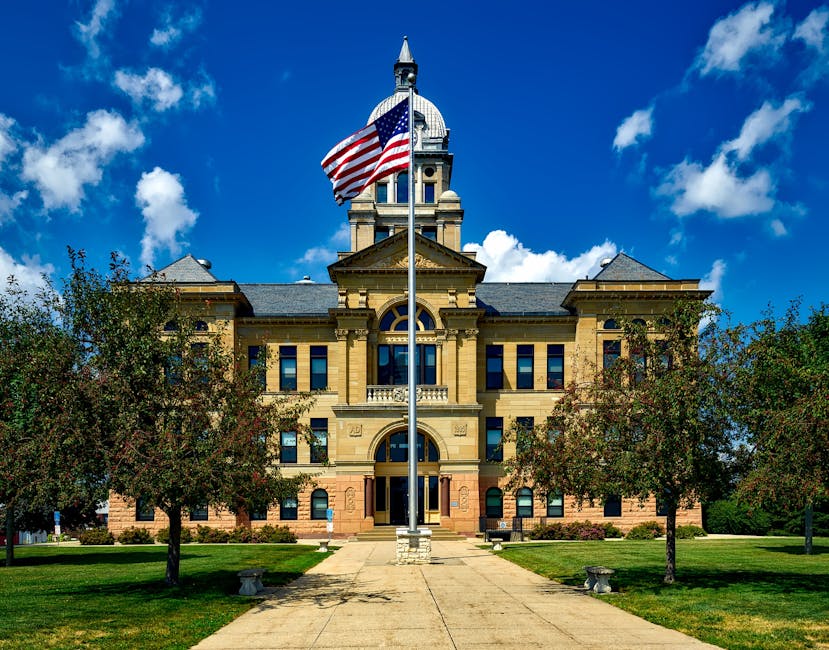
Criminal cases against Riverside residents are prosecuted by the RIVERSIDE COUNTY DISTRICT ATTORNEY — led by DISTRICT ATTORNEY MIKE HESTRIN — and heard in the RIVERSIDE COUNTY SUPERIOR COURT, with felonies and serious matters running through the HALL OF JUSTICE downtown while the Riverside Historic Courthouse handles other dockets. Arrests within the city are usually made by the RIVERSIDE POLICE DEPARTMENT, while the RIVERSIDE COUNTY SHERIFF covers unincorporated areas and runs the county jail system. Riverside PD carries a distinctive history: the 1998 police shooting of TYISHA MILLER, a young Black woman, led to one of California's earliest police-reform interventions — state Attorney General oversight and a reform agreement that reshaped the department — and that legacy frames how excessive-force and civil-rights questions are litigated here. For a defendant, the practical geography is the same as anywhere in California: an arrest starts a clock, arraignment sets bail and charges, and the earliest decisions (whether to talk, whether counsel is appointed, whether to seek diversion) shape everything that follows.
California criminal law governs, and it has moved sharply toward reform and then partially back. BAIL is constrained by In re Humphrey, which bars holding a defendant in jail solely because they cannot afford money bail without a finding on ability to pay and alternatives — a critical protection in a county with a large detained population. PROPOSITION 47 reclassified many drug-possession and under-950-dollar theft offenses as misdemeanors, but the 2024 PROPOSITION 36 partially rolled that back, re-felonizing certain repeat theft and hardening some fentanyl and drug offenses, and creating a treatment-mandated felony track — so, as of early 2026, whether a theft or drug charge is a felony or misdemeanor depends on the specifics and the defendant's history. PROPOSITION 64 legalized adult cannabis and allows resentencing and record clearance for old marijuana convictions. Realignment (AB 109) sends many lower-level felony sentences to county jail and supervision rather than state prison, and PC 1170 and related reforms reshape sentencing. Public defense is provided by the RIVERSIDE COUNTY PUBLIC DEFENDER for those who cannot afford counsel.
Riverside's criminal docket reflects the city and the region. DUI and driving offenses on the CA-91, I-215, and CA-60 corridors are heavy (covered in detail in the companion DUI article). DRUG cases — possession, and under Prop 36 the newer treatment-mandated and enhanced-penalty categories — remain common, as do THEFT and property offenses whose felony/misdemeanor line shifted with Prop 36. DOMESTIC-VIOLENCE arrests carry mandatory booking and protective orders and immigration consequences that can be severe. California's SELF-DEFENSE law gives no statutory "stand your ground," but CALCRIM 505 and 3470 impose NO DUTY TO RETREAT — a person may stand their ground and defend against an imminent threat. GUN law is strict: California is shall-issue for concealed carry after Bruen but SB 2 restricts "sensitive places," a 10-day waiting period and roster requirements apply, and gun-violence restraining orders (GVROs) let courts remove firearms — Riverside County processes many of these. For the region's large immigrant population, the immigration fallout of any conviction is often the most important consequence of all.
The institutional map matters to a Riverside defense. Cases move through the Superior Court's criminal calendars at the Hall of Justice; the DA's office under Mike Hestrin sets charging and plea policy for the county; the Public Defender and appointed conflict panel represent the indigent; and the Sheriff runs the jails where pretrial detention and Humphrey bail arguments play out. California offers multiple DIVERSION paths that can end in a dismissal: mental-health diversion (Penal Code 1001.36), drug diversion, military-veteran diversion, and misdemeanor diversion — all of which can keep a first-time or lower-level defendant out of the conviction column entirely. For non-citizens, California law (Penal Code 1016.2-1016.3, reflecting Padilla v. Kentucky) requires defense counsel to advise on and try to mitigate immigration consequences, and an "immigration-safe" plea can be more important than jail exposure — a conviction that seems minor can trigger deportation or bar relief. Expungement under Penal Code 1203.4, felony reduction under Penal Code 17(b), and AUTOMATIC record relief under AB 1076/SB 731, help people clear eligible records — a meaningful benefit in a county where a record can block warehouse, driving, and licensed jobs. For a defendant facing the Adelanto detention pipeline that serves the Inland Empire, the immigration analysis on any plea is inseparable from the criminal defense itself.
Legal help and the playbook are concrete. If you cannot afford a lawyer, the RIVERSIDE COUNTY PUBLIC DEFENDER is appointed at arraignment; the RIVERSIDE COUNTY BAR ASSOCIATION refers private defense counsel; and non-citizens should insist that counsel address immigration consequences from the first plea discussion. The practical playbook after any Riverside arrest: exercise the right to REMAIN SILENT and ask for a lawyer — do not explain, argue, or consent to searches; say nothing about the facts to police or cellmates; at arraignment, raise ability-to-pay under Humphrey to fight unaffordable bail; ask early about DIVERSION eligibility (mental health, drugs, veterans, first-offender) because it can end the case without a conviction; for any non-citizen, make immigration-safe disposition a priority before accepting any plea; preserve evidence and witness information (including any body-worn-camera and surveillance footage) before it disappears; and pursue expungement or automatic relief once eligible. In a county where Prop 36 has reshaped the theft-and-drug landscape and where a conviction's immigration and collateral consequences can outlast any sentence, early, informed defense decisions are everything.
Need legal documents for your defense?
Character references, release forms, and legal correspondence templates.
Sponsored links. Affiliate disclosure · Compare all options