
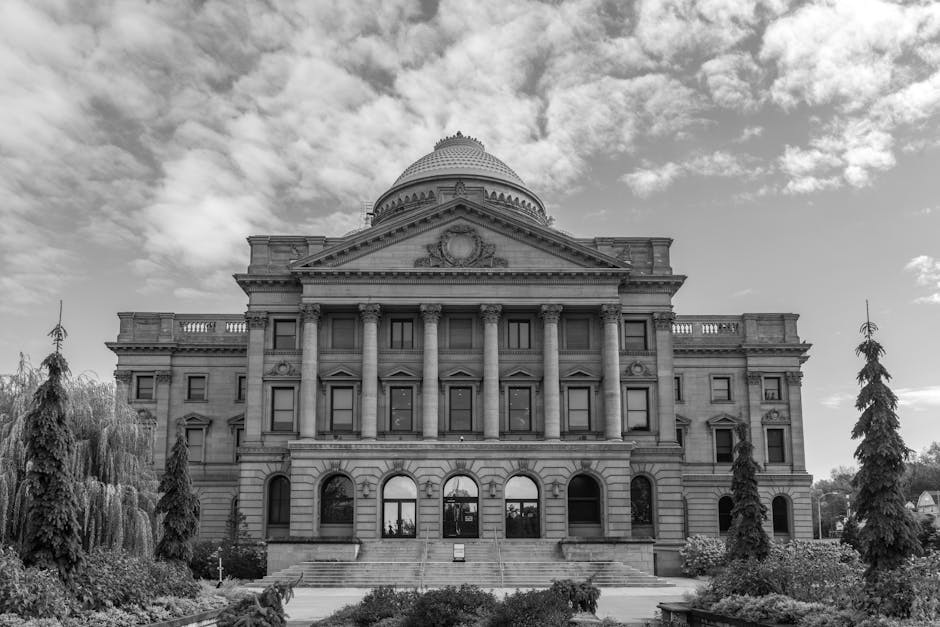
A criminal case in Sacramento is prosecuted and heard in the shadow of the state government it hosts, and that changes the texture of practice here. The SACRAMENTO COUNTY DISTRICT ATTORNEY (Thien Ho) prosecutes felonies and county misdemeanors, while the SACRAMENTO CITY ATTORNEY handles municipal-code matters; cases move through the SACRAMENTO COUNTY SUPERIOR COURT, whose GORDON D. SCHABER DOWNTOWN COURTHOUSE (720 9th St.) is the criminal hub, with the Carol Miller Justice Center and outlying facilities absorbing overflow. Arrests within the city come from the SACRAMENTO POLICE DEPARTMENT — a force whose 2018 fatal shooting of STEPHON CLARK in Meadowview became a national reform flashpoint and shaped California's since-enacted use-of-force standard (AB 392) — while the Sacramento County Sheriff patrols unincorporated areas and runs the jail. Because this is the capital, the STATE'S prosecutorial and correctional machinery (the Attorney General's office, CDCR headquarters) sits downtown too, and cases with statewide dimensions often originate here.
California's initiative-driven criminal law governs every Sacramento case. PROPOSITION 47 (2014) reclassified many drug-possession and under-950-dollar theft offenses as misdemeanors, but PROPOSITION 36 — passed by voters in November 2024 — rolled part of that back, re-elevating certain repeat-theft and fentanyl offenses to felonies with a new treatment-mandated felony track; as of early 2026 its application is still settling in Sacramento courts, and a charge that was a misdemeanor in 2023 may now be filed as a felony. PROPOSITION 64 legalized adult cannabis and opened past-conviction resentencing. Bail practice was reshaped by IN RE HUMPHREY, requiring courts to weigh ability to pay before setting money bail. On self-defense, California has no 'stand your ground' statute, but the CALCRIM jury instructions (505 and 3470) impose NO DUTY TO RETREAT and permit standing one's ground when not the aggressor — the governing rule in Sacramento self-defense cases.
Sacramento's enforcement patterns reflect a diverse, capital-region city. The Stephon Clark aftermath left SPD under sustained scrutiny, making body-worn-camera footage and use-of-force records central evidence a defense lawyer demands early. The city's status as one of America's most diverse — no racial majority, with large Latino, Black (Oak Park, Del Paso Heights), Hmong and Mien, Vietnamese, Ukrainian and Slavic, and Punjabi communities — puts LANGUAGE ACCESS at the center of many cases: an interrogation or a plea taken without a qualified interpreter for a Hmong- or Ukrainian-speaking defendant is challengeable, and CRIMMIGRATION stakes run high in the refugee and immigrant neighborhoods where a conviction can trigger removal even for longtime lawful residents. Homelessness-related enforcement along the American River parkway and downtown corridors flows through misdemeanor courts where diversion matters more than punishment, and the region's methamphetamine and fentanyl caseloads drive the Prop 36 treatment questions now front and center.
Diversion and record relief are where Sacramento outcomes are frequently decided. California's mental-health diversion (Penal Code 1001.36), misdemeanor diversion (1001.95), and military-veteran diversion (1001.80) let judges route eligible cases toward treatment and dismissal — heavily used given the county's behavioral-health and substance dockets and its veteran population (the region hosts several veteran-services hubs). Sacramento County operates collaborative courts — drug court, mental-health court, veterans' court — as structured alternatives to incarceration. For those with old records, PENAL CODE 1203.4 dismissal ('expungement'), California's AB 1076 automatic-relief mechanism, and Prop 47 and Prop 64 petitions to reduce or dismiss past felonies restore employability — critical in a government town where many jobs, licenses, and background checks turn on a clean record, and where state civil-service and CalPERS-adjacent employment screens applicants closely.
The right to counsel is served by the SACRAMENTO COUNTY PUBLIC DEFENDER and the Conflict Criminal Defenders panel for conflict cases, both operating out of the Schaber courthouse, alongside a substantial private bar and immigrant-defense partnerships funded through the region's refugee-services network. The practical playbook after a Sacramento arrest: invoke your right to remain silent and to a lawyer, and say nothing else; do not consent to searches of your phone, car, or home; note the arresting agency (SPD within the city, Sheriff outside it); preserve witness names and any video (SPD body-cam, business and doorbell cameras that overwrite quickly); appear at every court date to avoid a bench warrant; and get counsel before arraignment, because charging and diversion decisions are shaped in the first days. For non-citizens — a large share of Sacramento's refugee and immigrant population — tell your defense lawyer your status before any plea, because the immigration consequence often matters more than the sentence, and Sacramento's defenders have the language and crimmigration resources to build an immigration-safe resolution.
Need legal documents for your defense?
Character references, release forms, and legal correspondence templates.
Sponsored links. Affiliate disclosure · Compare all options