
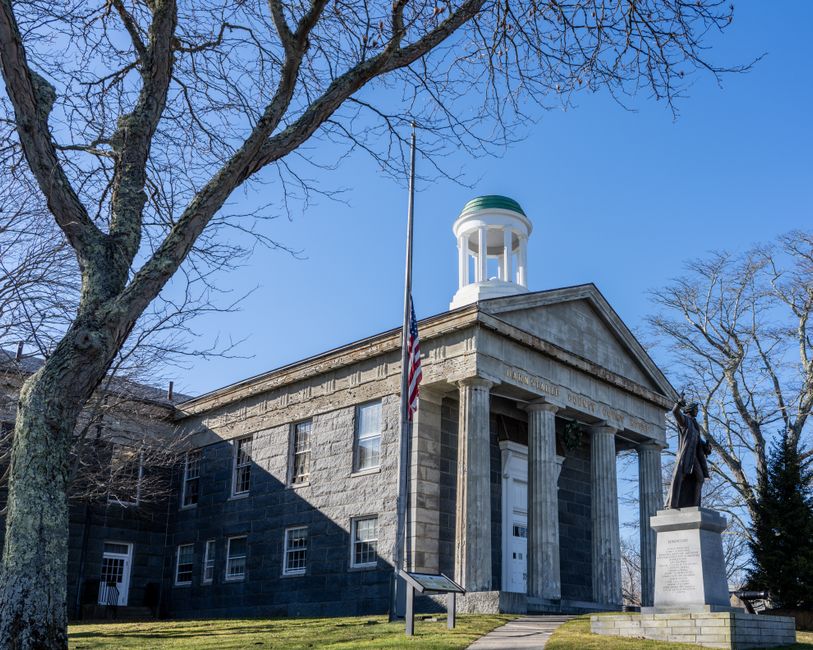
Delaware criminal law is governed by the Delaware Criminal Code (Title 11 of the Delaware Code) -- a modern, comprehensive penal code first enacted in 1972 and significantly revised since. Delaware's criminal court system includes: the Delaware Justice of the Peace Courts (JP Courts; limited criminal jurisdiction; minor misdemeanors; civil matters up to $15,000); the Delaware Court of Common Pleas (misdemeanors; significant jurisdiction overlap with Superior Court for some offenses); and the Delaware Superior Court (felonies; serious misdemeanors appealed from lower courts). Delaware's Supreme Court (5 justices) serves as the final appellate court for criminal matters -- Delaware, like Rhode Island, does not have an intermediate appellate court, meaning criminal felony appeals from Superior Court go directly to the Delaware Supreme Court.
Delaware's criminal law landscape is shaped by its geographic reality as a small corridor state with three distinctly different county profiles. New Castle County (Wilmington metropolitan area; approximately 570,000 residents) has the state's most urban crime patterns -- concentrated violent crime in Wilmington's East Side; Riverside; and West Center City neighborhoods, and drug trafficking involving the I-95 corridor. Kent County (Dover; approximately 180,000 residents) has a mix of military community crime patterns (Dover Air Force Base's presence shapes the county's demographics) and rural drug trafficking. Sussex County (Rehoboth Beach corridor; agriculture; approximately 240,000 residents) has resort-area seasonal crime (summer; beach towns) and year-round rural property crime and domestic violence in agricultural communities. The Delaware State Police (DSP; Headquarters at State Police Building; Dover) has statewide jurisdiction and handles most major crime investigations outside Wilmington.
Need legal documents for your defense?
Character references, release forms, and legal correspondence templates.
Sponsored links. Affiliate disclosure · Compare all options