
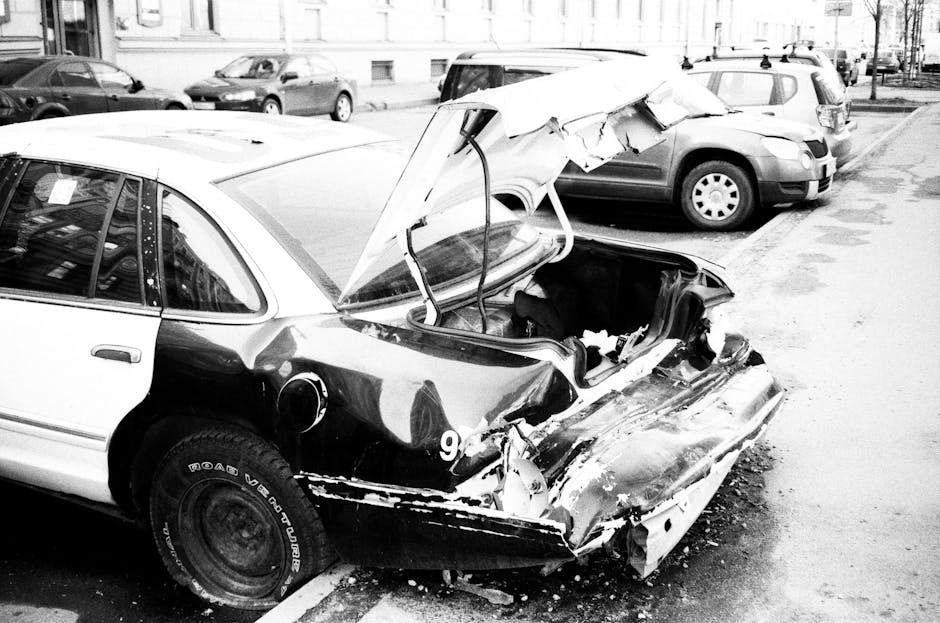
Pinellas County drives like the peninsula it is: nearly a million residents plus a heavy tourist load funnel through a road network with no room to expand, producing some of the highest crash densities in Florida. US-19 carries the north–south load through Pinellas Park, Largo, Clearwater, and Palm Harbor and pairs one of the nation's worst pedestrian-fatality records with constant high-speed rear-end and left-turn crashes at its interchanges and remaining signalized intersections; I-275 splits St. Petersburg and feeds the bay bridges; and the county's east–west arterials — Ulmerton Road, Gulf-to-Bay Boulevard, Park Boulevard, East Bay Drive — mix commuters, retirees, and beach traffic all day long. The BRIDGES are their own crash ecosystem: the Howard Frankland, Gandy, and Courtney Campbell span Tampa Bay with high speeds, weather exposure, and multi-vehicle pileups that raise venue and multi-defendant questions (Pinellas or Hillsborough?), while the Sunshine Skyway's approaches see speed-driven wrecks. Beach traffic adds the county's signature congestion — Gulf Boulevard threading the barrier islands, the Clearwater Beach causeway backing up for miles in season — and the tourism economy stacks rental cars, rideshares, scooters, and unfamiliar drivers onto every mile. Crash cases are filed in the Sixth Judicial Circuit (Clerk: 727-464-7000; mypinellasclerk.gov), with trials in Clearwater and county-court matters also in St. Petersburg.
Florida's no-fault system frames every claim. Registered-vehicle owners must carry $10,000 in PERSONAL INJURY PROTECTION (PIP), which pays 80% of reasonable medical expenses and 60% of lost wages regardless of fault — but ONLY if initial treatment happens within 14 DAYS of the crash (§627.736), and the full $10,000 requires a physician's "emergency medical condition" determination (otherwise $2,500). Suing the at-fault driver for pain and suffering requires crossing the SERIOUS-INJURY THRESHOLD of §627.737 — significant and permanent loss of a bodily function, permanent injury, significant scarring, or death. And the fact that decides more Pinellas cases than any other: Florida does NOT require bodily-injury liability coverage, so a large share of the county's drivers can hurt you badly and carry nothing that pays for it. UNINSURED/UNDERINSURED MOTORIST (UM/UIM) coverage on your own policy — which insurers must offer in writing, which stacks across vehicles when elected, and which covers hit-and-run "phantom" drivers — is the single most important purchase a Pinellas driver makes. The county's demographics sharpen the point: an elderly at-fault driver on a fixed income is frequently judgment-proof beyond their policy, and hit-and-run rates on the pedestrian corridors are persistently high.
Fault and deadlines follow the post-2023 framework: TWO-YEAR statute of limitations for negligence and wrongful death (§95.11, cut from four by HB 837) and modified comparative negligence with the 51% bar (§768.81) for causes accruing on or after March 24, 2023. Government-vehicle crashes — PSTA buses, school buses, city and county fleets, PCSO cruisers — require §768.28 presuit notice and face the $200,000/$300,000 caps; PSTA's onboard cameras and telematics make immediate preservation demands standard practice. Commercial defendants concentrate along the county's freight and service corridors: delivery fleets in the dense retail grid, construction and concrete trucks feeding the county's redevelopment boom (downtown St. Pete towers, barrier-island rebuilds after the 2024 storms), and drayage from the Port of Tampa crossing the bridges. Truck cases run on federal motor-carrier rules — hours-of-service logs, ECM data, driver files — with 30-to-180-day retention cycles that reward week-one preservation letters. Rideshare crashes (Uber/Lyft tiering by app status), rental-car cases (the Graves Amendment limits owner liability but drivers and their coverage remain), and golf-cart/LSV crashes in the beach towns and 55+ communities (auto policies often exclude them; homeowners policies vary) each carry coverage architectures local counsel navigate constantly.
Local crash patterns worth naming: ELDERLY-DRIVER cases are a daily reality in the county with one of America's oldest driver populations — sudden-medical-episode defenses (syncope, cardiac events, hypoglycemia) that defeat negligence when genuinely unforeseeable, negligent-entrustment claims against families who knew of decline, estate defendants when the driver dies, and license-fitness evidence (Florida's vision renewals at 80+) as context. SEASONAL patterns run October-to-April: snowbird traffic measurably raises crash frequency, out-of-state policies (New York, Ontario, Michigan) import conflict-of-law wrinkles, and witnesses fly home in spring — statements can't wait. TOURIST-CORRIDOR crashes on Gulf Boulevard involve pedestrians in swimwear at dusk, scooter rentals, and open-container distractions; red-light-camera intersections in St. Petersburg and other municipalities generate both citations and useful crash video (request it FAST — retention is short); and the county's dense retail driveways make "pull-out" crashes — a driver darting across three lanes of US-19 from a plaza — a recurring liability pattern with sightline and design components. After the 2024 hurricanes, debris, dark signals, and contractor traffic produced a wave of storm-period crashes with their own liability questions (dead-signal intersections legally revert to four-way stops — a rule most drivers don't know and insurers exploit).
After any Pinellas crash: call 911 (PCSO, St. Petersburg PD, Clearwater PD, or FHP will report it; get the agency and report number, then pull the report via the Florida Crash Portal — self-report within 10 days if police don't come); photograph vehicles, positions, debris, signals, and injuries; collect witness phones before the beach traffic moves; seek medical care SAME-DAY and within the 14-day PIP window regardless of how you feel (adrenaline hides soft-tissue and spinal injuries, and delay both forfeits benefits and gifts the defense a causation argument); notify your insurer promptly; and give NO recorded statement to the other side before counsel. Representation is contingency-based (33⅓% pre-suit standard), consultations are free, and both bar referral lines screen crash specialists (St. Petersburg Bar 727-821-5450; Clearwater Bar 727-461-4880); Gulfcoast Legal Services (727-821-0726) helps income-qualified residents with the PIP disputes, medical debt, and license fallout crashes leave behind. The two highest-leverage moves remain the ones made in advance: buy UM/UIM at real limits — stacked if you can — and treat the 14-day rule as law, because it is.
Need legal documents after an accident?
Demand letters, release forms, and settlement agreements — ready in minutes.
Sponsored links. Affiliate disclosure · Compare all options