
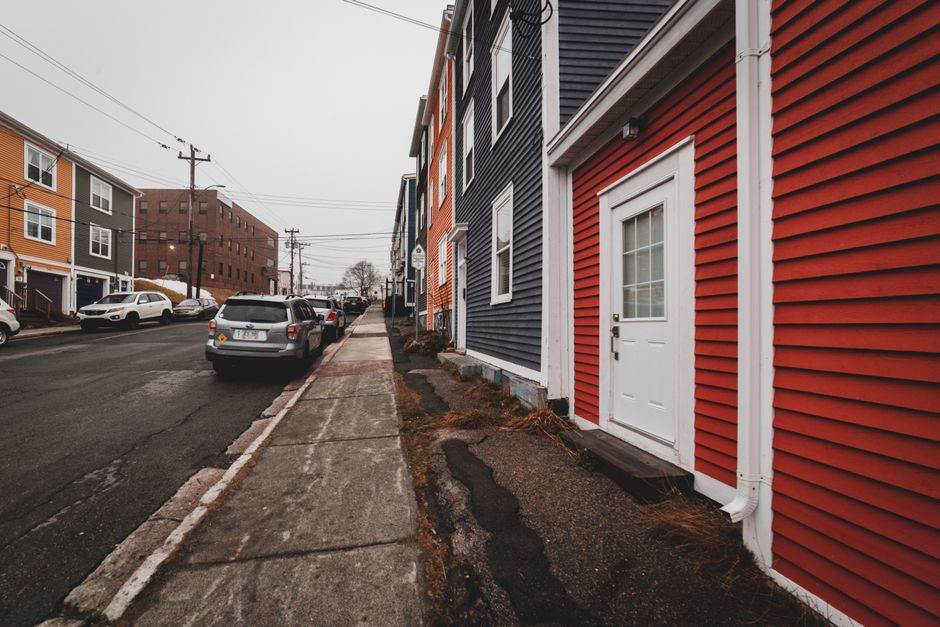
Real estate in Syracuse runs on New York rules that differ sharply from much of the country, starting with the fact that New York is an ATTORNEY-CLOSING state: buyers and sellers each retain a lawyer, and the deal moves through an attorney-review and contract process rather than being handled start to finish by agents and a title company alone. A typical city purchase runs from an accepted offer to an attorney-approved contract, then inspections, a title search, mortgage commitment, and a closing where a lawyer reviews the deed, the title report, and the closing statement. Title insurance protects the buyer and lender against defects in the chain of title, which matters in a city of old properties where a century of transfers, liens, and estate issues can cloud a title. New York imposes a state and county TRANSFER TAX on the seller (with a 1 percent "mansion tax" on sales of $1 million or more, uncommon in the Syracuse market), and buyers should budget for those costs. The city's aged housing stock — among the oldest in America — makes a thorough inspection and the mandatory LEAD-PAINT disclosure essential, because pre-1978 homes dominate neighborhoods like the Valley, the Near West Side, and the Northside.
Foreclosure in New York is JUDICIAL, which gives Syracuse homeowners meaningful time and process that non-judicial states do not. A lender cannot simply auction a home; it must file a lawsuit in ONONDAGA COUNTY SUPREME COURT and obtain a judgment before any sale. Before it can even start, the lender must send a RPAPL §1304 NINETY-DAY PRE-FORECLOSURE NOTICE, and once suit is filed, New York requires a mandatory FORECLOSURE SETTLEMENT CONFERENCE where the homeowner, the lender, and a court referee meet to explore loan modification and alternatives to losing the home. Homeowners have the right to answer the complaint and raise defenses — standing, defective notice, and servicing errors are common ones — and to seek a modification through the conference process. Related protections have grown: DEED THEFT, in which scammers trick distressed or elderly owners into signing away their property, is now a criminal offense in New York after a 2023 law strengthened both criminal penalties and the ability to void fraudulent transfers, a response to schemes that have targeted vulnerable homeowners in older urban neighborhoods. A homeowner served with a foreclosure should never ignore it and should get counsel or legal-aid help fast, because the conference and answer deadlines are where the leverage lives.
Onondaga County's property-tax burden makes ASSESSMENT GRIEVANCE a routine part of local real estate, because Syracuse and its suburbs carry some of the higher effective property-tax rates in the country and an over-assessment translates directly into money lost every year. New York gives owners a defined path to challenge an assessment they believe is too high: first an informal review, then a formal complaint to the local BOARD OF ASSESSMENT REVIEW on Grievance Day, and, if that fails, a SMALL CLAIMS ASSESSMENT REVIEW (SCAR) proceeding for a modest filing fee for owner-occupied homes, or an Article 7 tax-certiorari case for larger or commercial properties. The STAR program (School Tax Relief) provides a partial exemption or credit that most owner-occupants should be sure they are receiving, and additional exemptions exist for seniors, veterans, and people with disabilities. Because assessments are based on market value as of a taxable status date, comparable recent sales are the core evidence in a grievance, and a modest investment in a challenge often pays back for years. The I-81 viaduct removal and the surrounding community-grid rebuild, along with the housing demand expected from the Micron project, are already reshaping values in and around downtown, which will make assessment accuracy an even more active issue.
For the city's large renter population, New York's statewide tenant protections — most of them from the 2019 HOUSING STABILITY AND TENANT PROTECTION ACT — apply in Syracuse regardless of whether the city has any rent regulation, and they are stronger than many tenants realize. A SECURITY DEPOSIT is capped at ONE MONTH'S rent and must be returned within 14 days of move-out with an itemized statement of any deductions. LATE FEES are limited (no more than $50 or 5 percent of the monthly rent, whichever is less) and cannot be charged until the rent is five days late. A landlord who wants to raise the rent by more than 5 percent or decline to renew must give ADVANCE WRITTEN NOTICE of 30, 60, or 90 days depending on how long the tenant has lived there. Every residential tenant is protected by the WARRANTY OF HABITABILITY (Real Property Law §235-b), which requires livable, safe conditions — heat through Central New York's long winters, working plumbing, and freedom from serious hazards — and cannot be waived. Importantly, RENT STABILIZATION is NOT automatically in effect in Syracuse; the state's Emergency Tenant Protection Act must be locally adopted, so unless the city or a covered municipality has opted in, rents here are market-rate, and tenants should not assume stabilization applies.
Evictions and the everyday texture of Syracuse housing round out the picture. A landlord cannot lock a tenant out or remove belongings without going to court; a lawful eviction is a SUMMARY PROCEEDING under RPAPL Article 7, filed in SYRACUSE CITY COURT (or the relevant town or village justice court), requiring a proper predicate notice, a petition, and a judge's warrant, with tenants entitled to raise defenses including habitability and improper notice. The city's enormous student-rental market around Syracuse University generates its own disputes — deposit returns, roommate and co-signer liability, and code violations in aging off-campus houses — and the same old housing stock drives LEAD-PAINT hazards, which carry disclosure duties and potential landlord liability for a poisoned child. Co-op and condominium ownership, more familiar downstate, exists in Syracuse mainly in the form of condos and townhome associations governed by their bylaws, and a buyer should have counsel review the association's finances and rules. Free and low-cost help is available: LEGAL SERVICES OF CENTRAL NEW YORK handles foreclosure, eviction defense, and tenant matters for income-qualified residents, the FRANK H. HISCOCK LEGAL AID SOCIETY assists as well, and the Onondaga County Bar Association refers real-estate counsel — worth engaging before you sign a contract, receive a foreclosure summons, or face an eviction, because in each the early deadlines shape the outcome.
Need real estate legal documents?
Leases, purchase agreements, quit-claim deeds — state-specific templates.
Sponsored links. Affiliate disclosure · Compare all options