
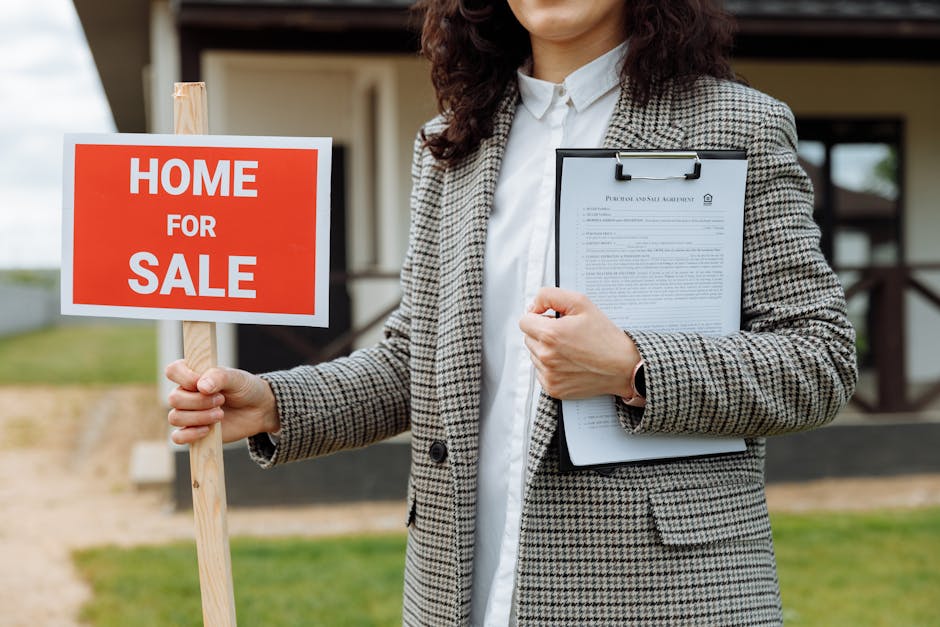
Real estate in the CITY OF SCHENECTADY carries the character of an old river city: the STOCKADE, one of the oldest continuously inhabited neighborhoods in the United States, with landmarked 18th- and 19th-century homes; the GE REALTY PLOT of grand early-1900s houses built for company executives; block after block of century-old two-family homes in Mont Pleasant, Bellevue, and Hamilton Hill; and new mixed-use development at MOHAWK HARBOR and downtown, driven by the Metroplex Development Authority. New York is an ATTORNEY-CLOSING state, which means buying or selling here is handled by real estate lawyers, not just a title or escrow company: the buyer's and seller's attorneys negotiate and sign the contract, an attorney-review and inspection period follows, a title company searches title and issues title insurance, and the deal closes at a formal closing where the deed and mortgage are signed and recorded with the SCHENECTADY COUNTY CLERK. New York and county TRANSFER TAXES apply on a sale, and buyers should budget for them along with the mortgage-recording tax. Because Schenectady's housing stock is old, inspections, lead-paint disclosures, and title issues (old liens, estate gaps, prior tax troubles) matter more here than in a subdivision of new construction.
New York is a JUDICIAL FORECLOSURE state, which gives homeowners meaningful protections a Schenectady family should understand. A lender cannot simply auction a home; it must sue in SCHENECTADY COUNTY SUPREME COURT and obtain a court judgment first. Before it can even start, RPAPL §1304 requires the lender to send a 90-DAY PRE-FORECLOSURE NOTICE giving the borrower notice and a chance to cure or seek help. Once a foreclosure is filed on an owner-occupied home, New York requires a mandatory SETTLEMENT CONFERENCE, where the borrower, the lender, and a court referee meet to explore loan modification and alternatives before the case proceeds — a real opportunity, not a formality. Schenectady has a hard-earned history with foreclosure and vacancy: waves of abandonment in the 1990s and 2000s (part of what led the city to recruit Guyanese and other families to buy and restore vacant homes), and today the Capital Region and county LAND BANK works to return distressed and tax-delinquent properties to use. Homeowners behind on payments should never ignore the papers — appearing at the settlement conference, applying for modification, and getting legal help are what preserve options, and free housing counseling and legal aid exist precisely for this.
Landlord-tenant law in Schenectady runs on STATEWIDE New York rules, with one important clarification: RENT STABILIZATION is NOT automatic outside New York City and a handful of opt-in localities, and Schenectady has generally NOT adopted the Emergency Tenant Protection Act (ETPA), so most city rentals are market-rate and not rent-stabilized — do not assume stabilization applies here. But every New York tenant has strong protections that came out of the 2019 Housing Stability and Tenant Protection Act (HSTPA): security deposits are capped at ONE MONTH's rent and must be returned within 14 days with an itemized statement; landlords must give advance written NOTICE of a rent increase of 5 percent or more or a non-renewal (30, 60, or 90 days depending on tenancy length); late fees are capped; and the WARRANTY OF HABITABILITY (Real Property Law §235-b) guarantees a livable home — heat, hot water, working plumbing, and freedom from vermin and hazards. EVICTIONS must go through SCHENECTADY CITY COURT, not self-help; a landlord cannot change locks, remove belongings, or shut off utilities to force a tenant out, and unlawful lockouts are illegal. Given the city's aging housing, LEAD-PAINT hazards, code violations, and heat complaints are common tenant issues, and the city's rental-registration and code-enforcement rules give tenants leverage.
Property TAXES are a defining New York concern, and the Capital Region is no exception — New York's effective property-tax rates are among the highest in the country, and taxes are often a bigger monthly cost than the mortgage on a modest Schenectady home. Homeowners who believe their ASSESSMENT is too high (higher than the home would actually sell for, or higher than comparable neighbors) can challenge it: file a grievance with the Schenectady city BOARD OF ASSESSMENT REVIEW on Grievance Day, and if denied, pursue a Small Claims Assessment Review (SCAR) proceeding for an owner-occupied home — a low-cost process without a lawyer. The STAR program (School Tax Relief) reduces school taxes for eligible owner-occupants, with an Enhanced STAR for qualifying seniors. New York also recently CRIMINALIZED DEED THEFT — the fraud of tricking or forging an owner out of their property title — after a wave of scams targeting vulnerable and elderly homeowners and heirs, a protection worth knowing in neighborhoods with older residents and inherited homes. Anyone approached with an unsolicited, pressured offer to "help" with a deed, a tax debt, or a foreclosure should treat it as a red flag and verify independently.
Two local realities deserve special attention. First, FLOOD RISK: the Mohawk River and its ice jams have flooded the low-lying STOCKADE district repeatedly — notably during Tropical Storm Irene and Lee in 2011 and in other high-water years — so a buyer or owner near the river should check the FEMA flood maps, obtain FLOOD INSURANCE through the National Flood Insurance Program (NFIP) because standard homeowners policies EXCLUDE flood, and factor flood history into price and insurability; New York's property-condition disclosure rules and lender flood-zone determinations make this a closing-table issue. Second, the OLD AND HISTORIC housing stock: homes in the Stockade and GE Realty Plot historic districts are subject to landmark and historic-district review that can limit exterior changes, older homes carry lead-paint and knob-and-tube realities that trigger disclosure and inspection concerns, and CO-OP versus CONDO ownership (shares and a proprietary lease versus a deeded unit) — while less common upstate than downstate — still appears and carries very different financing and board-approval rules. For help, the LEGAL AID SOCIETY OF NORTHEASTERN NEW YORK assists income-qualified homeowners and tenants, HUD-approved housing counselors handle foreclosure and purchase counseling, and the SCHENECTADY COUNTY BAR ASSOCIATION can refer a real estate attorney — worth engaging early, since in New York a lawyer is part of the normal transaction, not a luxury.
Need real estate legal documents?
Leases, purchase agreements, quit-claim deeds — state-specific templates.
Sponsored links. Affiliate disclosure · Compare all options