
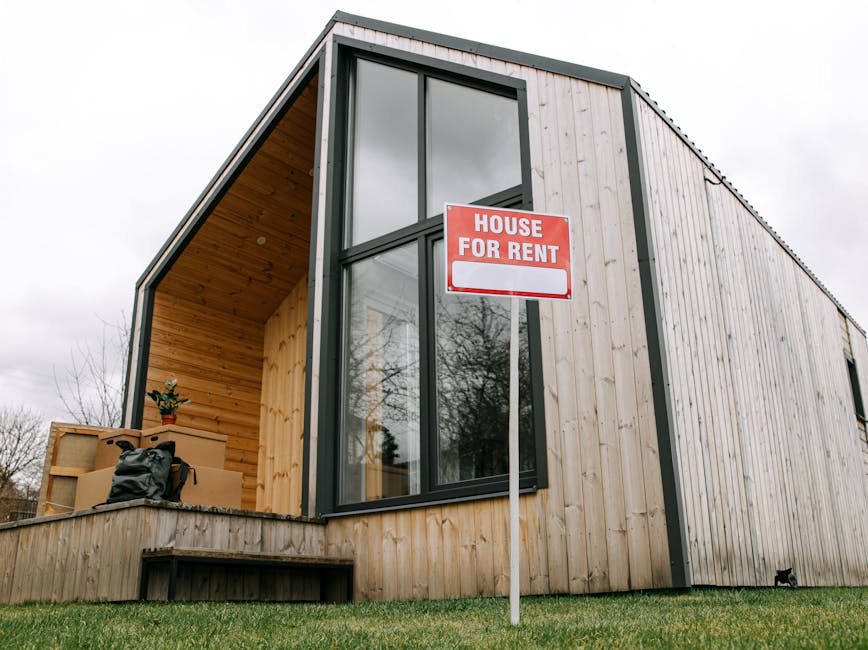
Real estate is where Austin's growth hits residents hardest. Home prices and rents climbed steeply through the city's tech-driven boom, longtime tenants in East Austin and other historically affordable neighborhoods face displacement, and property-tax bills rise with soaring valuations. A crucial legal fact frames all of it: Texas prohibits municipal rent control. Under Local Government Code §214.902, a Texas city may not adopt rent-control ordinances except in a narrow housing-emergency scenario requiring the governor's approval, so no matter how high rents climb, the City of Austin cannot cap them — a sharp difference from cities in some other states. What the city can and does regulate is land use, short-term rentals, building safety, and code compliance, and it offers some tenant-relocation and housing-assistance programs, but the core landlord-tenant relationship runs on the Texas Property Code and the lease. Housing disputes are resolved in different forums: evictions and small landlord-tenant claims in the Travis County Justice of the Peace courts (organized by precinct), and title, foreclosure, and larger disputes in the county and district courts.
Eviction in Texas moves quickly and follows a defined path. A landlord must first give the tenant a written notice to vacate — by default at least three days before filing, unless the lease specifies a different period (Tex. Prop. Code §24.005). The landlord then files an eviction (forcible-detainer) suit in the Justice of the Peace court for the precinct where the property sits; Travis County has several JP precincts serving different parts of Austin. A hearing is set quickly, and a tenant who loses can appeal to the county court at law, where the case is tried anew. Tenants have real defenses and rights: improper notice, acceptance of rent after the alleged breach, retaliation for complaining about conditions or exercising a legal right (Tex. Prop. Code §92.331), and failure to follow the lease or the statute. Self-help lockouts and utility shutoffs by a landlord are restricted and can expose the landlord to liability. Because the timeline is compressed, a tenant who receives a notice to vacate should seek advice immediately rather than waiting for the court date.
Texas gives tenants specific statutory protections on repairs and deposits that Austin renters should know. A landlord has a duty to make a diligent effort to repair conditions that materially affect health or safety after proper written notice (Tex. Prop. Code §92.052), and if the landlord fails, the tenant may have remedies including the statutory "repair and deduct" procedure, termination, or a suit — steps with technical notice requirements that must be followed exactly. Security deposits must be refunded, with an itemized list of any deductions, within 30 days after the tenant surrenders the property (§92.103), and a landlord who acts in bad faith in retaining a deposit faces penalties under §92.109. The City of Austin's code-enforcement function, reachable through 3-1-1, addresses substandard housing conditions, pests, and habitability violations, and can pressure a noncompliant landlord where the property-code remedies alone move slowly. Keeping written records — dated repair requests, photos of conditions, and proof of the deposit and forwarding address — is what makes these claims work.
Property taxes are the defining ownership cost in a state with no personal income tax, and Austin's valuations make the annual appraisal fight a local ritual. The Travis Central Appraisal District (TCAD) sets the taxable value of each property, and owners have the right to PROTEST that value — challenging the appraised amount and unequal appraisal — before the Appraisal Review Board, generally by a mid-May deadline (on or about May 15, or 30 days after the notice of appraised value). A residence-homestead exemption reduces the taxable value of an owner's primary home and, importantly, caps the annual increase in the appraised (assessed) value of a homestead at 10 percent, a meaningful brake when market values jump; additional exemptions exist for owners who are over 65 or disabled, including tax ceilings. Because Austin's assessed values have risen sharply, filing a homestead exemption and protesting an inflated appraisal are among the most effective ways ordinary owners control their tax bills, and many do it themselves or use a protest service.
For homeowners in distress, Texas foreclosure is fast and mostly non-judicial. Most Texas mortgages use a deed of trust with a power of sale, allowing the lender to foreclose without a lawsuit under Tex. Prop. Code §51.002: after required default and acceleration notices, the servicer sends at least 21 days' written notice of a foreclosure sale, and the sale occurs on the FIRST TUESDAY of the month at the designated location for Travis County (the courthouse-area sale site). Homeowners have limited but real protections — the right to reinstate or pay off before sale, loss-mitigation and loan-modification rights under federal servicing rules, and Texas's strong HOMESTEAD protection, which shields a home of unlimited value (capped by acreage — up to 10 urban acres) from most creditors, though not from the purchase-money mortgage, home-equity loans, taxes, or valid liens. Austin also layers city-specific rules on ownership and use: a short-term-rental ordinance regulating STRs, the land-development code governing what can be built (including accessory dwelling units), and zoning and permitting requirements that matter for renovations and additions. For help, Texas RioGrande Legal Aid (512-374-2700) and Volunteer Legal Services of Central Texas (512-476-5550) assist qualifying tenants and homeowners, the Austin Tenants' Council has long provided tenant counseling (verify current services), and the Austin Bar Association referral line (512-472-0279) connects residents with real-estate attorneys.
Need real estate legal documents?
Leases, purchase agreements, quit-claim deeds — state-specific templates.
Sponsored links. Affiliate disclosure · Compare all options