
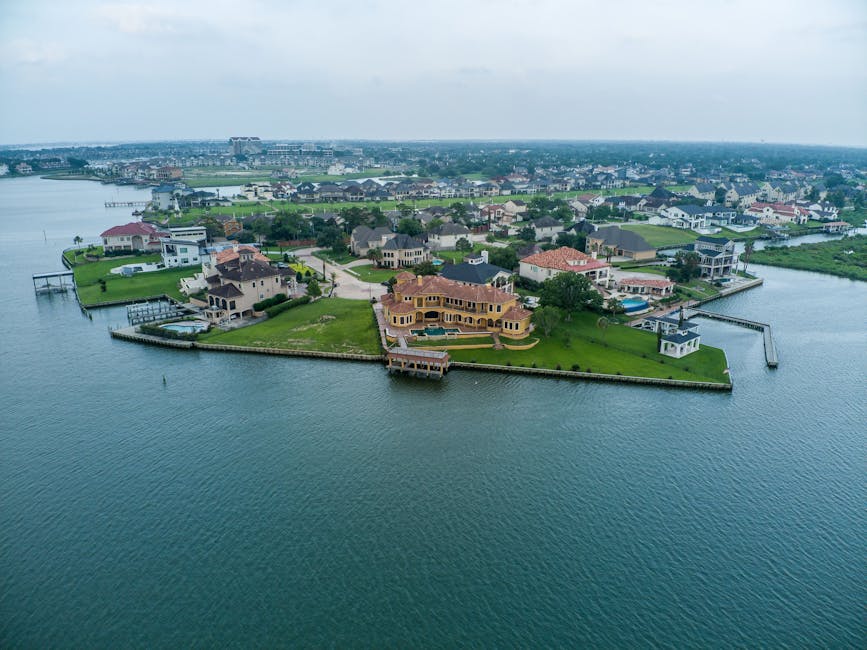
Real estate in Houston is shaped by one famous peculiarity: it is the largest city in the United States with no conventional zoning. Rather than zoning maps dividing the city into residential, commercial, and industrial districts, Houston relies on private deed restrictions (restrictive covenants), the city's Chapter 42 development ordinance governing lot sizes, setbacks, and platting, and market forces to organize land use. The City of Houston is unusual in that it will help enforce private deed restrictions under Local Government Code Chapter 212, so a homeowner or civic association can turn to the city's legal department as well as the courts when a neighbor violates a subdivision's covenants. This system means that whether a bar, a warehouse, or a townhome complex can open next to you often depends on your neighborhood's deed restrictions and any minimum-lot-size or historic-district protections, not a zoning code — a critical due-diligence point for anyone buying property in the city. Statewide Texas real estate rules otherwise apply in full, filtered through Harris County institutions.
Texas gives homeowners powerful protections and no rent control. The Texas homestead exemption shields a home of unlimited VALUE from most creditors, limited instead by ACREAGE — up to 10 acres for an urban homestead — so a paid-off Houston home is largely beyond the reach of ordinary judgment creditors, and the homestead property-tax exemption plus the annual appraisal cap on a homestead soften the tax burden. On the rental side, Texas prohibits municipal rent control (Local Gov't Code §214.902) except in a housing emergency declared with the governor's approval, so Houston cannot and does not cap rents. Security-deposit rules are statutory: a landlord must refund the deposit within 30 days of surrender (Prop. Code §92.103), an itemized list of deductions is required if any amount is withheld, and bad-faith retention exposes the landlord to penalties (§92.109). Landlords owe repair duties for conditions that materially affect health or safety (§92.052), enforced through the statutory repair-and-remedy process, and lockouts and utility shutoffs to force a tenant out are tightly restricted.
Eviction and foreclosure move quickly in Texas, and Houston tenants and owners should know the timelines. An eviction (a "forcible detainer" suit) begins with a written notice to vacate, generally at least three days unless the lease specifies otherwise (Prop. Code §24.005); the suit is filed in the Harris County Justice of the Peace court for the precinct where the property sits, heard within weeks, and appealable to a county court at law, where the tenant may need to post a bond or, for nonpayment, pay rent into the court registry to stay. A landlord cannot simply change the locks or remove belongings without following the statute. On the ownership side, Texas uses non-judicial foreclosure: most home loans are secured by a deed of trust with a power of sale, and a lender can foreclose without a lawsuit by giving at least 21 days' written notice (Prop. Code §51.002) and conducting a public sale on the FIRST TUESDAY of the month at the county's designated auction location — in Harris County, foreclosure sales are held at a designated venue rather than literally on the courthouse steps. Debtor protections are limited, so a homeowner facing default should seek help early, before the notice-of-sale clock runs.
Property taxes loom large in Houston because Texas has no state income tax and funds local government heavily through property tax. Values are set by the Harris Central Appraisal District (HCAD), and every owner has the right to protest the appraised value each year before the Appraisal Review Board (ARB) — a well-developed local culture, with protests filed by a spring deadline (generally around May 15 or 30 days after the notice) and heard informally and then formally, with further appeal to district court or binding arbitration available. The homestead exemption and the 10 percent annual homestead appraisal cap reduce taxes for owner-occupants, and additional exemptions exist for those over 65, disabled owners, and disabled veterans. Many Houston-area master-planned communities sit within Municipal Utility Districts (MUDs) that levy their own taxes to fund water, sewer, and drainage infrastructure, so a buyer should check the total tax rate, including MUD and school-district levies, not just the city and county portions — the combined bill can be substantially higher than the headline rate suggests.
Flooding is the defining Houston real estate risk, and disclosure law reflects it. After Hurricane Harvey submerged much of the city in 2017 — following Tropical Storm Allison and repeated bayou and reservoir flooding — Texas strengthened flood-disclosure requirements: a residential seller's disclosure notice (Prop. Code §5.008) now asks specific questions about prior flooding, flood-insurance claims, and location in a floodplain or reservoir flood pool, and landlords must give tenants a flood-disclosure notice (§92.0135) when a dwelling has flooded or lies in a 100-year floodplain. Because standard homeowners' and property policies exclude flood, coverage comes through the National Flood Insurance Program or the private flood market, and a buyer should check the FEMA flood maps, the Harris County Flood Control District data, and the Addicks and Barker reservoir flood pools before closing. Title insurance, a survey, and a careful review of deed restrictions and any MUD disclosure round out due diligence. For help, Lone Star Legal Aid assists income-qualifying tenants and homeowners (its Harvey-recovery work was extensive), the Houston Bar Association referral service (713-759-1133) lists real estate attorneys, and the Texas Real Estate Commission and the Texas Department of Insurance handle broker and insurance complaints respectively.
Need real estate legal documents?
Leases, purchase agreements, quit-claim deeds — state-specific templates.
Sponsored links. Affiliate disclosure · Compare all options