
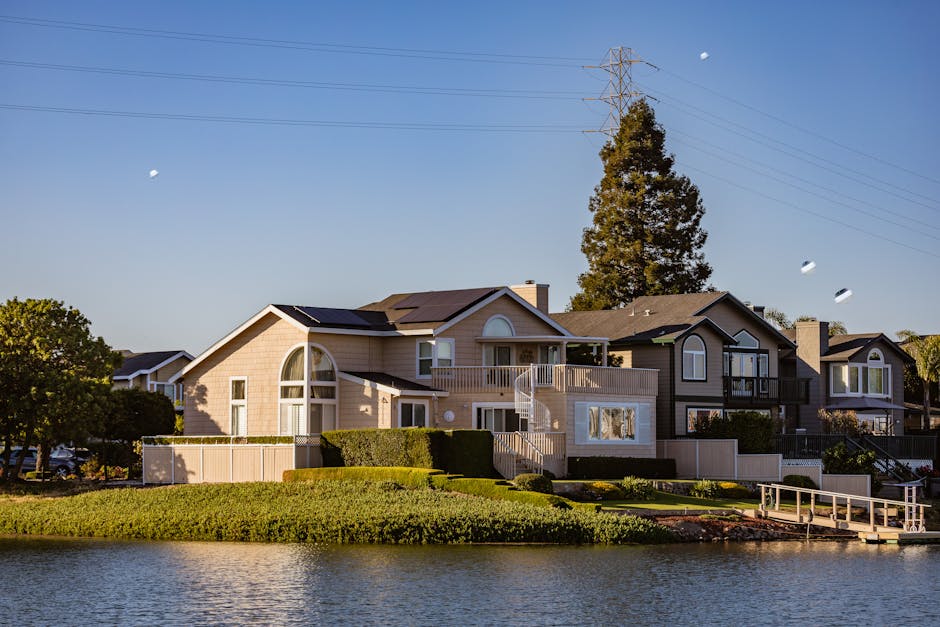
Real estate transactions and disputes in Santa Clara County move through the Superior Court's civil division, with property records maintained by the Santa Clara County Clerk-Recorder (70 W. Hedding St., East Wing, San Jose CA 95110; 408-299-5688) and assessments by the County Assessor (408-299-5500). Santa Clara County has among the highest home prices in the United States, spanning ultra-high-value communities (Palo Alto, Los Altos, Los Altos Hills, Saratoga, Cupertino, Los Gatos), the dense San Jose urban market, and the South County towns of Morgan Hill and Gilroy. The extreme cost of housing shapes nearly every real estate issue, from tenant protections to the stakes of a disclosure dispute, and the county has some of the strongest local tenant protections in the state.
Landlord-tenant law here is shaped by both statewide rules and significant local ordinances. Statewide, California's Tenant Protection Act (Civ. Code §1946.2 and §1947.12) caps most annual rent increases at 5% plus local CPI (up to a 10% maximum) and requires "just cause" to terminate most tenancies after 12 months. But two major cities go further: the City of San Jose's Apartment Rent Ordinance (ARO) imposes stricter rent control on many older (pre-1979) apartments, limiting annual increases to a lower set percentage, and San Jose's Tenant Protection Ordinance requires just cause for eviction; and the City of Mountain View's Community Stabilization and Fair Rent Act (Measure V, in the city charter) provides voter-enacted rent control and just-cause protections. So a tenant's specific rights depend heavily on which city the rental is in and the building's age — a San Jose or Mountain View tenant may have stronger protections than the statewide baseline, while a tenant in another city relies on the state framework.
California's mandatory seller disclosure requirements (Civ. Code §1102 et seq.) and the Natural Hazard Disclosure law (Civ. Code §1103) require sellers to disclose known material defects and whether a property sits in a designated earthquake fault zone, flood zone, or wildfire hazard zone — disclosures with real weight given the county's active faults and localized flood risk. Failure to disclose known defects — foundation or soil issues, water intrusion, unpermitted additions (common in an area of older housing stock and high remodel activity), or environmental hazards — can support a fraud or rescission claim well after closing if discovered later, and given the county's home values, the dollar stakes of such disputes are substantial.
Homeowners-association disputes in the county's many condominium and planned communities are governed by the Davis-Stirling Common Interest Development Act (Civ. Code §4000 et seq.), which controls assessments, governing-document enforcement, and the notice-and-dispute-resolution procedures an HOA must follow before recording a lien or foreclosing for unpaid dues. Foothill and Santa Cruz Mountains-adjacent properties (in the hills above Los Gatos, Saratoga, and the western county) face wildfire risk and the associated defensible-space and insurance issues, while low-lying San Jose neighborhoods near Coyote Creek and the Guadalupe River face flood risk — as the February 2017 Coyote Creek flood, which forced thousands of San Jose residents to evacuate, made clear.
Commercial real estate is dominated by the technology industry: sprawling corporate campuses (Apple in Cupertino, Nvidia in Santa Clara, Adobe and others in San Jose), R&D and lab space, and the constant development and redevelopment that tech growth drives, including major projects around downtown San Jose. Commercial lease disputes frequently involve build-out obligations, common-area-maintenance (CAM) charges, and the specialized needs of tech and lab tenants. For income-qualifying residential tenants and homeowners, Bay Area Legal Aid (408-971-1300), the Law Foundation of Silicon Valley, and (in the cities with rent control) the local rent-program offices handle habitability, eviction defense, rent-ordinance, and foreclosure-related matters, and the SCCBA Lawyer Referral Service (408-287-2557) refers to real estate attorneys.
Need real estate legal documents?
Leases, purchase agreements, quit-claim deeds — state-specific templates.
Sponsored links. Affiliate disclosure · Compare all options