
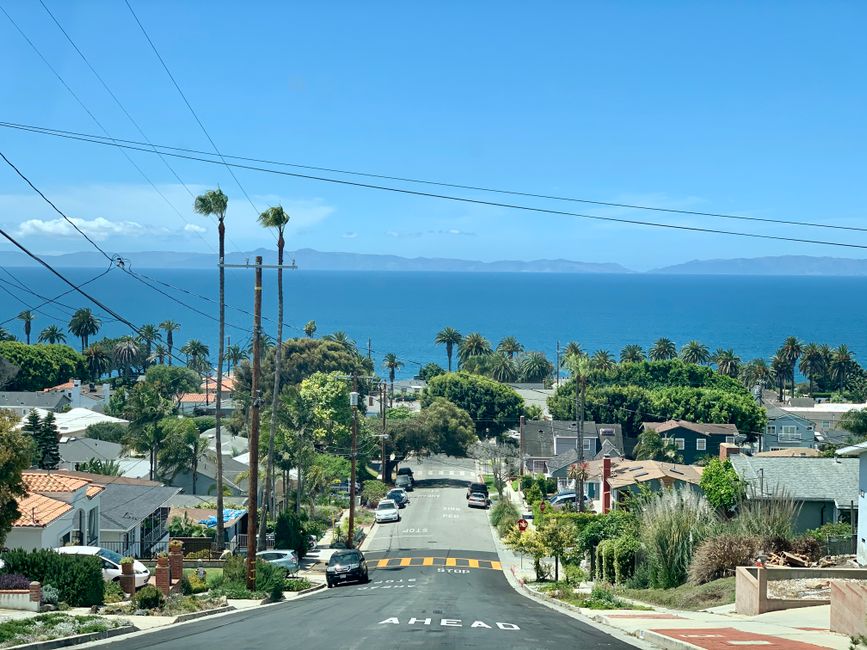
Real estate transactions and disputes in Orange County move through the Central Justice Center's civil division (700 Civic Center Dr. W., Santa Ana CA 92701), with property records maintained by the Orange County Clerk-Recorder (Hall of Finance and Records, 601 N. Ross St., Santa Ana CA 92701; 714-834-2500) and assessments handled by the Orange County Assessor (500 S. Main St., Orange CA 92868; 714-834-2727). Orange County's housing market is among the most expensive in the country, and a defining feature of its residential landscape is the prevalence of common interest developments (CIDs) — condominiums and master-planned communities governed by homeowners associations (HOAs). The Irvine Company's master-planned villages, Ladera Ranch, Rancho Mission Viejo, and dozens of other developments mean a large share of OC homeowners live under an HOA governed by the Davis-Stirling Common Interest Development Act (Civ. Code §4000 et seq.), which controls assessments, governing-document enforcement, board governance, and the dispute-resolution and lien procedures an HOA must follow before it can foreclose for unpaid dues.
California's mandatory seller disclosure requirements (Civ. Code §1102 et seq., implemented through the Transfer Disclosure Statement) require sellers to disclose known material defects; failure to disclose known issues — foundation or slab problems, water intrusion, unpermitted additions, or environmental hazards — can support a fraud or rescission claim well after closing if discovered later. In Orange County, newer south-county communities frequently carry Mello-Roos special tax assessments (Community Facilities District taxes financing roads, schools, and infrastructure), which sellers must disclose and which add to a buyer's effective carrying cost — a recurring source of buyer surprise and occasional disputes when the disclosure was incomplete.
Landlord-tenant law in Orange County is shaped primarily by statewide rules rather than the dense local rent-control ordinances found in some coastal counties. California's statewide Tenant Protection Act (Civ. Code §1946.2 and §1947.12) caps most annual rent increases at 5% plus local CPI (up to a 10% maximum) and requires "just cause" to terminate most tenancies after a tenant has occupied a unit for 12 months. Santa Ana is the notable Orange County exception: its Rent Stabilization Ordinance, effective in 2022, caps annual increases on many older units at a lower percentage (around 3%) and layers additional just-cause and relocation protections on top of state law. Most other Orange County cities rely on the state framework without a separate local ordinance, so a tenant's specific protections depend heavily on whether the unit sits within Santa Ana's ordinance or under the statewide rules alone.
Coastal properties in Newport Beach, Laguna Beach, Huntington Beach, and Dana Point fall within the California Coastal Commission's jurisdiction under the Coastal Act (Pub. Resources Code §30000 et seq.), which adds a permitting layer for development, remodels, and shoreline-affecting projects, and the canyon and foothill communities (Silverado, Modjeska, Trabuco Canyon) face wildfire-related insurance and rebuilding considerations following events like the 2024 Airport Fire. Title and boundary disputes also arise across the county's mix of older subdivisions and hillside lots; quiet title actions are filed in the Central Justice Center's civil division, and adverse possession claims require five years of continuous, open, and hostile possession under Code of Civil Procedure §325 plus payment of property taxes during that period — a high bar that defeats most informal claims.
Commercial real estate in Orange County spans Irvine's major office, technology, and biotech campuses, the Anaheim resort and entertainment district, the South Coast Metro business and retail corridor, and industrial and logistics property near the county's ports of entry and rail lines. Commercial lease disputes frequently involve common-area-maintenance (CAM) charges, percentage rent, and tenant-improvement obligations. The Orange County Bar Association Real Property Section maintains attorney referrals for both residential and commercial matters; for income-qualifying residential tenants and homeowners, the Legal Aid Society of Orange County (714-571-5200) and the Public Law Center (714-541-1010) handle habitability, eviction defense, and foreclosure-related matters at no cost.
Need real estate legal documents?
Leases, purchase agreements, quit-claim deeds — state-specific templates.
Sponsored links. Affiliate disclosure · Compare all options