
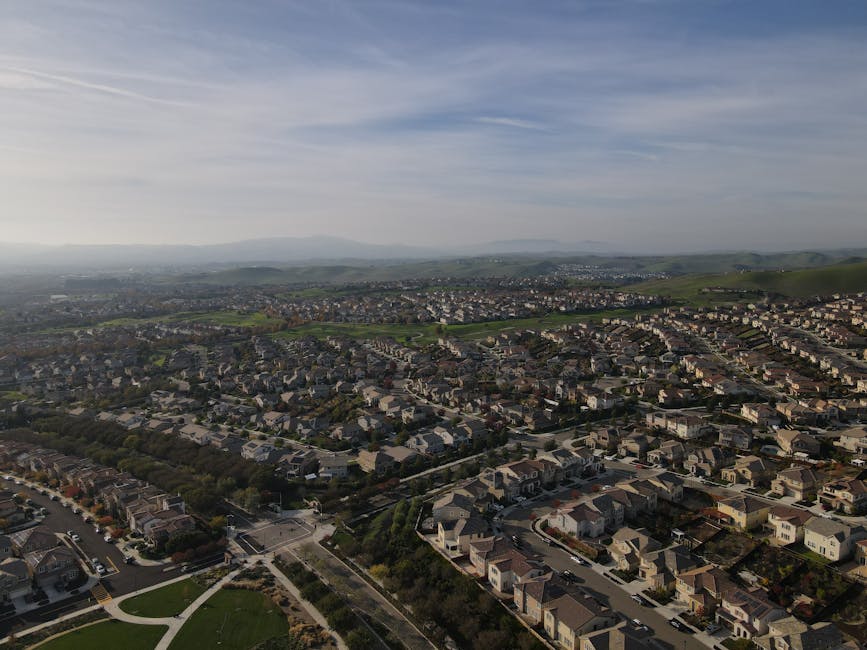
Real estate transactions and disputes in San Bernardino County move through the Superior Court's civil divisions, with property records maintained by the San Bernardino County Assessor-Recorder-County Clerk (222 W. Hospitality Lane, San Bernardino CA 92415; 909-387-8306). The county's real estate landscape spans the valley cities (San Bernardino, Fontana, Ontario, Rancho Cucamonga, Redlands), the affordable-housing boom of the High Desert (Victorville, Hesperia, Apple Valley, Adelanto), and the mountain resort communities (Big Bear Lake, Lake Arrowhead, Crestline, Wrightwood) — three very different markets, each with distinct legal issues. Two features stand out: severe wildfire risk in the mountain communities, and the warehouse-driven transformation of valley and desert land use, which raises land-use, environmental, and property-value disputes tied to the county's enormous distribution industry.
California's mandatory seller disclosure requirements (Civ. Code §1102 et seq., implemented through the Transfer Disclosure Statement) require sellers to disclose known material defects, and the Natural Hazard Disclosure law (Civ. Code §1103) separately requires disclosure of whether a property sits in a designated wildfire hazard zone, flood zone, earthquake fault zone, or other mapped hazard area — disclosures that carry real weight across San Bernardino County, where mountain properties are in high or very high fire-hazard zones, desert properties face flash-flood risk, and much of the valley sits near the San Andreas fault. Failure to disclose known defects — foundation or soil issues, water intrusion, unpermitted additions, or environmental hazards — can support a fraud or rescission claim well after closing if discovered later.
Landlord-tenant law is shaped primarily by statewide rules. California's Tenant Protection Act (Civ. Code §1946.2 and §1947.12) caps most annual rent increases at 5% plus local CPI (up to a 10% maximum) and requires "just cause" to terminate most tenancies after 12 months of occupancy; most San Bernardino County cities rely on this statewide framework rather than separate local rent-control ordinances. Mobilehome parks — common in the desert and valley — are governed by California's Mobilehome Residency Law (Civ. Code §798 et seq.), a specialized body of law covering space-rent increases, park rules, and the lengthy notice required to terminate a park tenancy, separate from ordinary landlord-tenant rules.
The mountain resort communities present a distinct real estate practice. Many Big Bear and Lake Arrowhead properties are vacation homes and short-term rentals, and the county and the mountain communities have adopted and revised short-term rental regulations governing permits, occupancy, and neighborhood impacts. Wildfire risk dominates: mountain homeowners face difficult and expensive insurance (many pushed onto the California FAIR Plan after non-renewals), defensible-space requirements, and rebuilding rules after fires like the 2003 Old Fire, the 2007 Grass Valley and Slide fires, and the 2020 El Dorado Fire. Title and boundary disputes arise across the county's mix of old subdivisions, desert parcels, and mountain lots; quiet title actions are filed in the Superior Court's civil division, and adverse possession claims require five years of continuous, open, and hostile possession under Code of Civil Procedure §325 plus payment of property taxes during that period.
Commercial and industrial real estate is dominated by the warehouse and logistics boom, which has reshaped valley and desert land use and generated significant land-use and environmental disputes — over new warehouse approvals, truck traffic, and air quality — including litigation under the California Environmental Quality Act (CEQA) challenging distribution-center developments, and the South Coast Air Quality Management District's Warehouse Indirect Source Rule. For income-qualifying residential tenants, homeowners, and mobilehome owners, Inland Counties Legal Services (888-245-4257) handles habitability, eviction defense, mobilehome, and foreclosure-related matters at no cost, and the SBCBA Lawyer Referral Service (909-885-1986) refers to real estate attorneys.
Need real estate legal documents?
Leases, purchase agreements, quit-claim deeds — state-specific templates.
Sponsored links. Affiliate disclosure · Compare all options