
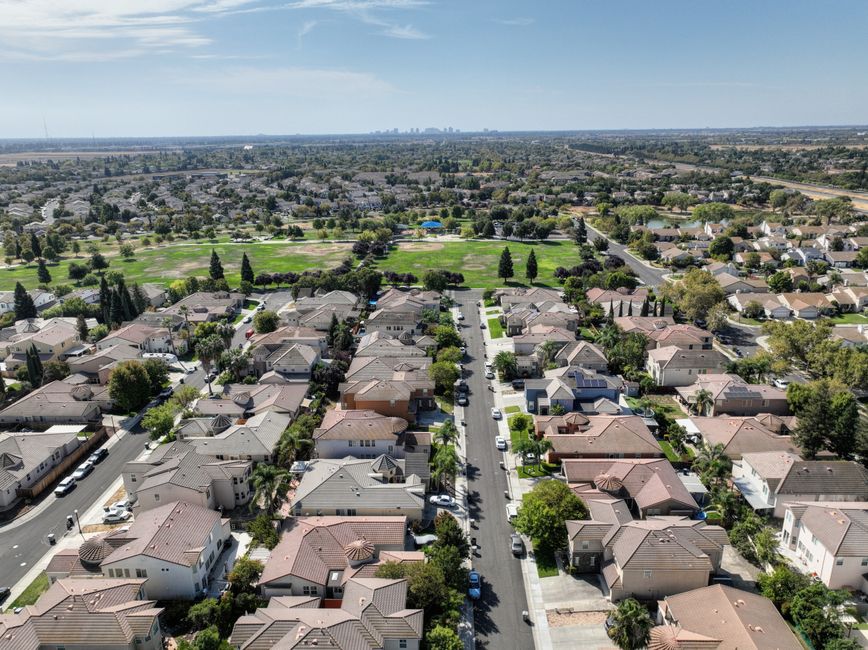
Real estate transactions and disputes in Sacramento County move through the Superior Court's civil division, with property records maintained by the Sacramento County Clerk-Recorder (600 8th St., Sacramento CA 95814; 916-874-6334) and assessments handled by the Sacramento County Assessor (3636 American River Dr., Suite 200, Sacramento CA 95864; 916-875-0700). The county's housing market spans the urban core, historic Midtown and East Sacramento neighborhoods, and fast-growing suburban communities in Elk Grove, Natomas, Folsom, Rancho Cordova, and Citrus Heights. A defining feature of Sacramento real estate — distinct from most California counties — is catastrophic flood risk: much of the county sits on the Sacramento and American River floodplains, protected by an extensive levee system, and Sacramento is often cited as one of the most flood-vulnerable major cities in the country. The Natomas basin in particular has been subject to FEMA flood-zone remapping and building restrictions tied to levee certification, directly affecting property values, insurance requirements, and what can be built.
California's mandatory seller disclosure requirements (Civ. Code §1102 et seq., implemented through the Transfer Disclosure Statement) require sellers to disclose known material defects, and California's Natural Hazard Disclosure law (Civ. Code §1103) separately requires disclosure of whether a property sits in a designated flood hazard zone, a dam-inundation area, or other mapped hazard areas — a disclosure that carries real weight in a flood-prone county like Sacramento, where buyers need to understand flood-zone status and any flood-insurance requirement before closing. Failure to disclose known defects — foundation or soil issues, water intrusion, unpermitted additions, or environmental hazards — can support a fraud or rescission claim well after closing if discovered later. Newer suburban communities may also carry Mello-Roos special tax assessments financing infrastructure, which sellers must disclose.
Landlord-tenant law in the City of Sacramento is shaped by a local ordinance on top of state law: the Sacramento Tenant Protection and Relief Act (the city's rent-control ordinance, effective 2019) caps annual rent increases on many covered units and requires "just cause" for eviction, generally providing protections at least as strong as, and in some respects layered onto, California's statewide Tenant Protection Act (Civ. Code §1946.2 and §1947.12). Outside the city limits — in unincorporated Sacramento County and cities like Elk Grove, Folsom, and Citrus Heights — the statewide framework generally governs without a separate local rent-control ordinance, so a tenant's specific protections depend heavily on whether the rental sits within the City of Sacramento or elsewhere in the county. The city administers its rent-control program and handles related complaints.
Title and boundary disputes arise across the county's older neighborhoods and newer subdivisions; quiet title actions are filed in the Superior Court's civil division, and adverse possession claims require five years of continuous, open, and hostile possession under Code of Civil Procedure §325 plus payment of property taxes during that period — a high bar that defeats most informal claims. Homeowners-association disputes in the county's many master-planned and condominium communities are governed by the Davis-Stirling Common Interest Development Act (Civ. Code §4000 et seq.), which controls assessments, governing-document enforcement, and the notice-and-dispute-resolution procedures an HOA must follow before recording a lien or foreclosing for unpaid dues.
Commercial real estate in Sacramento centers on state-government office space and the private office, retail, and industrial markets serving the capital region, with downtown and the Golden 1 Center-anchored railyards redevelopment reshaping the urban core. Commercial lease disputes frequently involve common-area-maintenance (CAM) charges, percentage rent, and tenant-improvement obligations. For income-qualifying residential tenants and homeowners, Legal Services of Northern California (916-551-2150) handles habitability, eviction defense, and foreclosure-related matters at no cost, and the SCBA Lawyer Referral Service (916-564-3780) refers to real estate attorneys.
Need real estate legal documents?
Leases, purchase agreements, quit-claim deeds — state-specific templates.
Sponsored links. Affiliate disclosure · Compare all options