
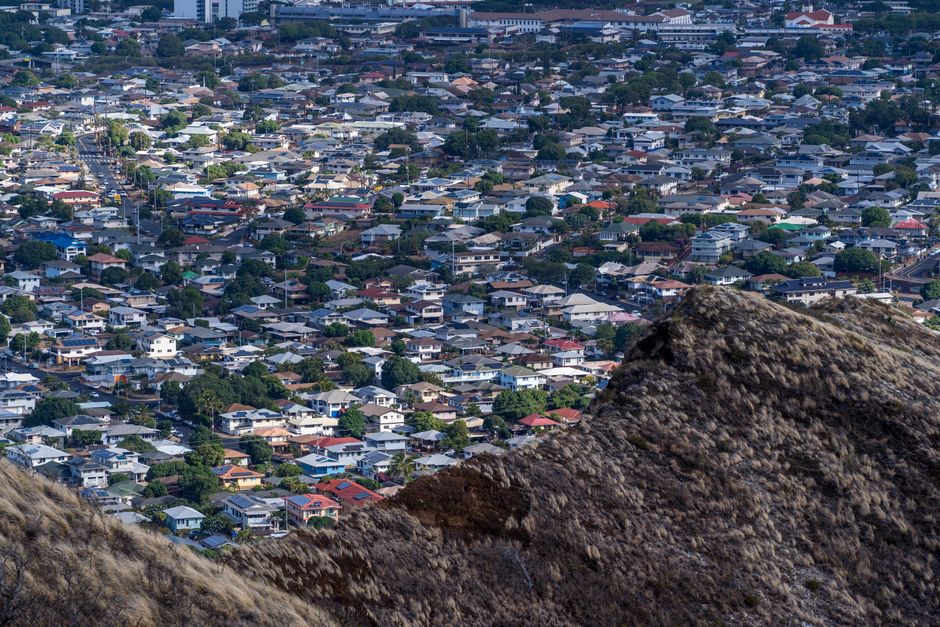
Hawaii real estate law is shaped by a feature of land ownership that is entirely unique to the islands: the leasehold system, which traces its origins to the ali'i (Hawaiian royal land tenure) of the ancient Hawaiian Kingdom and the post-1848 Mahele (the Great Land Division of 1848, in which King Kamehameha III converted Hawaii's traditional communal land tenure system into Western-style private property ownership). The Mahele created the foundation for today's extraordinary concentration of Hawaii land ownership — approximately 9% of Hawaii's total land area is held by Kamehameha Schools/Bishop Estate (the trust established under the will of Princess Bernice Pauahi Bishop in 1884 for the education of Native Hawaiian children), making it the largest private landowner in Hawaii and one of the largest charitable trusts in the United States. Bishop Estate land underlies substantial portions of residential neighborhoods in Honolulu (Kalihi; 'Āliamanu; Salt Lake; portions of Mililani) and is typically leased rather than sold — meaning that homeowners in these neighborhoods own their structures but lease the land beneath them from Bishop Estate on ground leases that come up for renewal and renegotiation at intervals that can dramatically alter monthly housing costs.
The landmark US Supreme Court case of Hawaii Housing Authority v. Midkiff, 467 U.S. 229 (1984), arose directly from this land tenure context: Hawaii's Land Reform Act (HRS §§ 516-1 et seq.) allowed leasehold homeowners to compel the large landowners to sell the land beneath their homes, using condemnation authority if necessary. The Supreme Court upheld the Land Reform Act as a constitutional exercise of eminent domain power for a public use (redistributing concentrated land ownership) — expanding the definition of "public use" in a manner that later informed (and was partially limited by) Kelo v. City of New London, 545 U.S. 469 (2005). For real estate transactions, the distinction between fee simple (the buyer owns both the structure and the land) and leasehold (the buyer owns the structure but the land is leased from a trust or private landowner) is among the most fundamental choices Hawaii real estate buyers must make — and the ground lease terms, remaining lease duration, and lease renegotiation risk are critical valuation factors.
Need real estate legal documents?
Leases, purchase agreements, quit-claim deeds — state-specific templates.
Sponsored links. Affiliate disclosure · Compare all options