
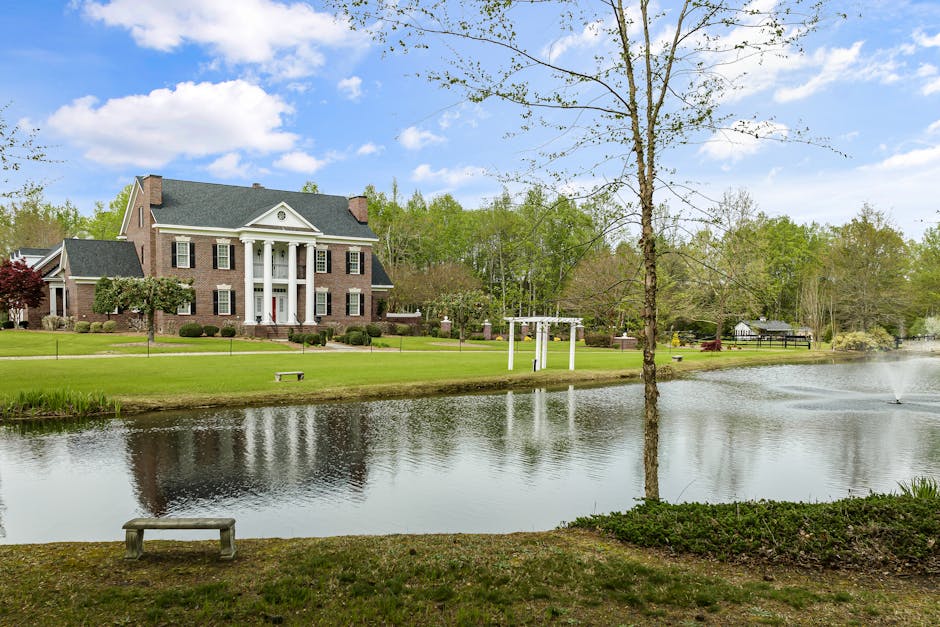
GWINNETT COUNTY is the NEW-AMERICAN suburb whose property law runs on several engines at once — an APARTMENT BELT churning eviction filings through the Norcross and Lilburn magistrate dockets, a SINGLE-FAMILY-RENTAL investor wave that swept south Gwinnett after the foreclosure years, a fast-appreciating owner-occupied market whose reassessments land as annual shocks, and a large FIRST-GENERATION-HOMEOWNER population buying into an American title system for the first time. Roughly 975,000 residents live across LAWRENCEVILLE, DULUTH, SUWANEE, NORCROSS, LILBURN, SNELLVILLE, BUFORD, PEACHTREE CORNERS, SUGAR HILL, GRAYSON, DACULA, and unincorporated Gwinnett, and the property docket runs to landlord-tenant disputes, non-judicial foreclosures moving at Georgia speed, assessment appeals, HOA fights across the master-planned belt, TAX SALES, first-generation DEED problems, and the HEIRS-PROPERTY vulnerability that has stripped land from Black families across the South for generations. The venues are specific and worth learning before you need them. Deeds, plats, security deeds, and liens are recorded with the CLERK OF SUPERIOR COURT of Gwinnett County. Foreclosures are NON-JUDICIAL — no courtroom until someone sues. Evictions run through the MAGISTRATE COURT dispossessory process. Contract, title, quiet-title, partition, and injunction fights go to SUPERIOR COURT at the GWINNETT JUSTICE AND ADMINISTRATION CENTER, 75 Langley Drive in Lawrenceville, seat of the GWINNETT JUDICIAL CIRCUIT. Knowing which door your problem goes through — and how fast that door closes — is most of the battle in Georgia.
Georgia's rules are among the fastest and most creditor-friendly in America. Foreclosure is NON-JUDICIAL, exercised through a POWER OF SALE clause in the security deed: the lender sends a statutory notice at least 30 DAYS before the sale, ADVERTISES it in the county legal organ once a week for FOUR WEEKS, and sells the property on the COURTHOUSE STEPS on the FIRST TUESDAY of the month. From notice to sale can run roughly 37 to 60 days — no judge, no jury, no hearing unless the homeowner affirmatively sues to stop it. And Georgia's hardest fact: there is NO STATUTORY RIGHT OF REDEMPTION after a mortgage foreclosure sale. Once the gavel falls, the property is gone; the only way to recover a wrongfully foreclosed home is a lawsuit filed BEFORE the sale seeking an injunction. If the sale brings less than the debt, the lender must clear a separate CONFIRMATION proceeding before a superior-court judge before pursuing a DEFICIENCY. On the rental side, Georgia is a LANDLORD-FRIENDLY state: NO RENT CONTROL (state law preempts it), and eviction runs through the DISPOSSESSORY process — the landlord makes a demand for possession, files a dispossessory affidavit in magistrate court, and the tenant has a SEVEN-DAY window to answer after service before the court can issue a writ. But the ground shifted in 2024. The SAFE AT HOME ACT gave Georgia its FIRST statutory DUTY OF HABITABILITY — a landlord must keep a rental fit for human habitation — capped SECURITY DEPOSITS at TWO MONTHS' rent, and requires a THREE-BUSINESS-DAY opportunity to cure a nonpayment default before a nonpayment eviction can be filed. In a county whose apartment belt files dispossessories by the thousands, that is a genuine tenant-law turn worth citing directly. Self-help lockouts remain illegal — only a lawful WRIT OF POSSESSION, executed by an officer, removes a tenant, and a landlord who changes the locks or cuts the utilities is breaking the law.
The Gwinnett patterns are the county's own. The defining fight is the APARTMENT-BELT dispossessory: large-complex operators along the Norcross and Lilburn corridors and the Buford Highway extension let repairs languish while stacking application fees, monthly convenience fees, pet fees, late fees, and utility-billing charges through automated systems, then file the moment the balance slips. Overlapping with it is the INSTITUTIONAL SINGLE-FAMILY-RENTAL story — corporate owners bought heavily across SOUTH GWINNETT, Snellville, and the older subdivisions after the foreclosure crash, importing the national narrative of habitability failures and fee stacking to Gwinnett streets. The 2024 Safe at Home Act now gives those tenants a habitability duty, a deposit cap, and a three-day cure to lean on — but the SEVEN-DAY answer deadline still decides most cases, and a tenant who does not answer loses by default no matter how bad the conditions. A distinctly Gwinnett problem is the FIRST-GENERATION-HOMEOWNER DEED trap: immigrant buyers, sometimes steered by the same NOTARIOS who prey on the immigration side, end up with defective QUITCLAIM DEEDS, unrecorded transfers, CONTRACT-FOR-DEED arrangements that leave the seller on title, or fraud that clouds a home the family thought it owned outright — problems that surface only when they try to sell, refinance, or fight a foreclosure. The second signature dispute is HEIRS PROPERTY: in the Black communities of south Gwinnett — Snellville, Centerville, and older Lawrenceville neighborhoods — homes are commonly passed down without wills, leaving many relatives as TENANTS IN COMMON with undivided shares, a fragile arrangement an outside investor can exploit by buying one relative's fraction and forcing a PARTITION sale of the whole. Georgia adopted the UNIFORM PARTITION OF HEIRS PROPERTY ACT in 2012, which builds in protections: a court-ordered APPRAISAL, a right for other family co-owners to BUY OUT the share that triggered the case before any sale, and a preference for dividing the land or selling it on the open market rather than dumping it at a fire-sale auction. Third comes the HOA fight across the MASTER-PLANNED BELT — Suwanee, Peachtree Corners, Sugar Hill, and the newer subdivisions generate special-assessment battles, lien threats, and foreclosure by associations — alongside the TAX SALE and the WATER-BILL LIEN: unpaid property taxes can send a home to a tax sale, and in Georgia water and sewer charges can attach as liens, so a disputed utility bill can quietly cloud a title. Georgia tax sales carry a 12-MONTH REDEMPTION period and a BARMENT process most owners do not understand until the window is nearly shut.
The institutional map is where cases are won or lost early. The CLERK OF SUPERIOR COURT of Gwinnett County holds the chain of title — the first stop for anyone tracing a corporate landlord's ownership entity, a contractor's MECHANIC'S LIEN, a tax lien, a bad quitclaim, or the security deed behind a foreclosure — and it is where foreclosure advertisements run and first-Tuesday sales are recorded. Because Georgia foreclosure is non-judicial, there is no clerk's hearing before the sale; the homeowner's only pre-sale remedy is a WRONGFUL-FORECLOSURE or injunction suit in SUPERIOR COURT filed before the first Tuesday, which is why the calendar, not the courtroom, controls. Property values are set by the GWINNETT COUNTY BOARD OF ASSESSORS, and as values climb across the county, appeals move to the BOARD OF EQUALIZATION and onward to superior court — the annual ASSESSMENT NOTICE starts a strict clock, and appealing can also lock in a degree of statutory protection against increases for the next couple of years. A Gwinnett-specific shield deserves its own line: the county offers HOMESTEAD EXEMPTIONS for owner-occupants, including a VALUE-OFFSET feature that can hold the county portion of your assessed value near a base year for as long as you own and occupy the home — a meaningful blunt against fast reassessment, so confirm which exemptions you qualify for and file for them. Broker misconduct goes to the GEORGIA REAL ESTATE COMMISSION; insurer misconduct to the GEORGIA DEPARTMENT OF INSURANCE, whose bad-faith framework under O.C.G.A. 33-4-6 gives the county's HAIL, TORNADO-WIND, and TREE-FALL roof claims real teeth after a storm crosses the metro. One government wrinkle: a property claim against a CITY — a drainage or flooding claim against Lawrenceville, Norcross, or Duluth, say — triggers a strict SIX-MONTH ANTE LITEM notice requirement, half the TWELVE MONTHS allowed for a claim against Gwinnett County itself, a deadline that quietly kills claims filed too late. Zoning, variances, and short-term-rental questions run through whichever body governs the parcel — one of the county's many cities or unincorporated Gwinnett — and that choice decides everything from setbacks to code enforcement.
Help has a real footing here: ATLANTA LEGAL AID operates a GWINNETT COUNTY OFFICE in Lawrenceville, handling low-income housing, foreclosure, and consumer matters, and it is one of the country's more experienced legal-aid shops on eviction-defense and corporate-landlord work. The playbook is about deadlines and paper. If a foreclosure notice arrives, understand that Georgia moves in weeks, not months — from notice to a first-Tuesday sale can be as little as 37 days, there is no hearing to buy time, and the only way to stop a wrongful sale is a superior-court injunction filed BEFORE the sale, so consult counsel the day the notice lands. There is no redemption after a mortgage foreclosure, so the pre-sale window is the entire game. If you are a tenant in the Norcross or Lilburn apartment belt, use the 2024 SAFE AT HOME ACT — demand habitability repairs in writing, keep every receipt and photograph, know your deposit is capped at two months and that a nonpayment eviction requires a three-business-day cure — but ANSWER any dispossessory within the SEVEN-DAY window, because a missed answer forfeits the case, and dispute the stacked fees line by line. If you are a first-generation owner, pull your DEED at the Clerk of Superior Court and confirm the home is actually titled in your name and properly recorded, because a defective quitclaim or contract-for-deed is far cheaper to fix before a crisis than during one. If you hold family land in south Gwinnett as heirs property, get the title mapped and the heirs identified now, before an investor buys a share, and invoke the UNIFORM PARTITION OF HEIRS PROPERTY ACT's appraisal and buyout rights if a partition is filed. Appeal an inflated assessment within the strict window on the annual notice, with comparable sales and photos of any condition problems, and file for every homestead exemption you qualify for. Act inside the 12-month redemption window before a tax-sale barment closes it. And if hail or a tornado damages your roof and the insurer stalls or lowballs, demand a WRITTEN COVERAGE DECISION citing the specific exclusion and send a 33-4-6 SIXTY-DAY BAD-FAITH DEMAND, which can add a 50 percent penalty and attorney fees. In Gwinnett, the residents who win are the ones who treat every notice as a clock already running.
Need real estate legal documents?
Leases, purchase agreements, quit-claim deeds — state-specific templates.
Sponsored links. Affiliate disclosure · Compare all options