
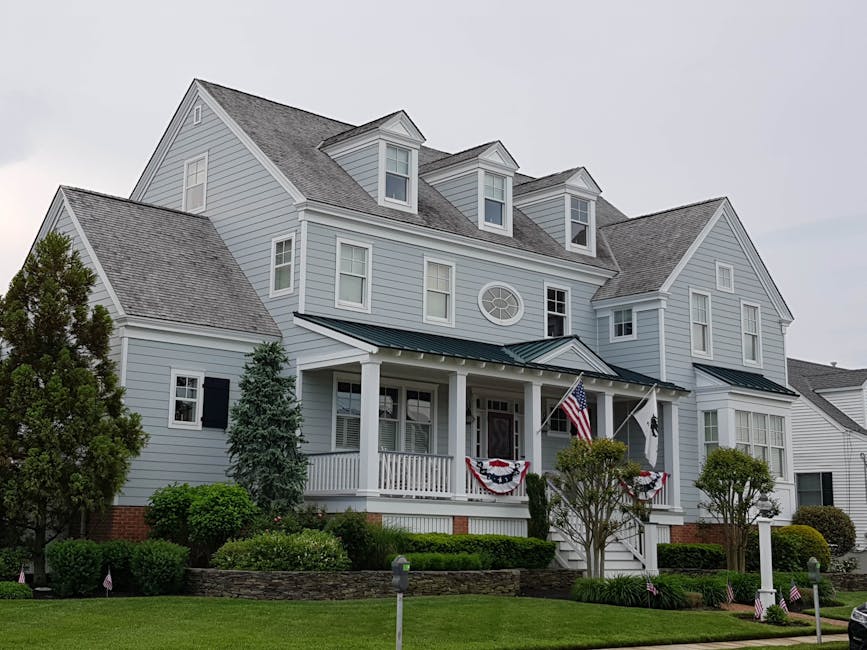
Cape Coral real estate is defined by two things above all: WATERFRONT property and HURRICANE exposure. The city was master-planned in the 1950s and 1960s on a dredge-and-fill grid that produced more than 400 miles of canals — more than any city in the world — so seawalls, docks, boat lifts, and Gulf-access questions are central to a huge share of local transactions, and a canal-front or Gulf-access lot commands a premium over an interior "dry" lot. Most of the city is single-family homes on quarter-acre platted lots, with a smaller stock of waterfront condos and townhomes near the river and at communities like Cape Harbour and Tarpon Point. Property records — deeds, mortgages, liens, and plats — are recorded with the Lee County Clerk of Court (leeclerk.org) and searchable online, and title passes through Florida's title-insurance-and-closing system, typically handled by a title company or a real estate attorney, since Florida is attorney-optional for closings. Purchases run on the standard Florida FR/BAR contract with an inspection period, escrowed deposits, and a title commitment whose exceptions the buyer must review — but the reality overshadowing every Cape Coral deal is Hurricane Ian.
Hurricane Ian made landfall on the Lee County coast in September 2022 as one of the most powerful and destructive hurricanes in Florida history, and Cape Coral took a direct hit of catastrophic wind and canal and coastal flooding that damaged or destroyed tens of thousands of structures. The recovery has generated an enormous volume of real estate and construction legal issues that still affect buyers, sellers, and owners: homes sold "as is" with unrepaired or partially repaired storm damage; disputes over the quality and completion of rebuilding work, which fall under Florida's construction-defect statute (Fla. Stat. Ch. 558) and its pre-suit notice-and-opportunity-to-repair process; contractor fraud and unlicensed-contractor problems that surged after the storm; permitting backlogs; and — critically for a low-elevation canal city — FEMA's "50% rule." That substantial-improvement and substantial-damage rule requires that a structure in a flood zone damaged or improved by 50% or more of its market value be brought up to current flood-elevation codes, which for older, low-slung canal homes can mean elevating the entire structure or major, costly compliance work. Any Cape Coral purchase, especially of waterfront or canal property, now demands careful diligence into storm history, unpermitted or incomplete repairs, the flood zone and elevation, and whether the 50% rule has been or will be triggered.
Property taxes and homestead protection remain central to Cape Coral ownership. Florida has no state income tax and funds local government largely through property taxes; the Lee County Property Appraiser (leepa.org) assesses value each year, and combined millage produces the bill. Florida's homestead exemption provides up to $50,000 in exemptions — a base $25,000 plus an additional $25,000 that does not apply to school taxes — and the "Save Our Homes" cap limits annual increases in a homestead's assessed value to 3% or the change in the CPI, whichever is lower, portable up to $500,000 to a new Florida homestead. After Ian, Florida also provided property-tax REFUNDS or abatements for homes rendered uninhabitable by the storm, prorated for the period a residence was uninhabitable — a meaningful benefit for affected Cape Coral owners. Additional exemptions exist for seniors (very significant given the city's demographics, subject to income limits in participating jurisdictions), veterans (including a full exemption for totally and permanently disabled veterans), first responders, and surviving spouses. Homestead status also carries Florida's strong CONSTITUTIONAL creditor protection under Article X, Section 4, shielding a homestead of up to one-half acre in a municipality from forced sale by most creditors. Owners who believe their assessment is too high can petition the Value Adjustment Board, and should file for homestead by March 1.
Foreclosure, landlord-tenant law, and association issues round out the landscape, all colored by the post-Ian environment. Florida is a JUDICIAL foreclosure state: a lender cannot simply auction a home but must file a lawsuit in the Twentieth Circuit court, record a lis pendens, prove it owns the note and that you defaulted, and obtain a court judgment before any sale — a process that gives homeowners months and real defenses. Post-Ian financial hardship, sometimes driven by delayed or underpaid insurance claims, increased foreclosure risk for some Cape Coral owners, making mortgage forbearance and loss-mitigation options important. Florida's Residential Landlord and Tenant Act (Fla. Stat. Ch. 83) governs rentals with NO rent control (state-preempted, even as post-storm shortages drove rents sharply higher), a 3-day notice for nonpayment and a 7-day notice for other violations, regulated deposits, and county-court evictions where a tenant must deposit disputed rent into the court registry to contest. For the city's waterfront condos, the post-Surfside condo-safety reforms — milestone structural inspections for buildings three stories and taller, and mandatory Structural Integrity Reserve Studies with non-waivable reserves — apply and can compound Ian repair assessments, though most of Cape Coral is single-family and less affected than high-rise coastal cities.
Practical diligence and help for Cape Coral property. Before buying, use the inspection period fully: get a professional inspection, research permits and any open code violations, verify that post-Ian repairs were permitted and done by licensed contractors, confirm the FEMA flood zone and the elevation certificate, determine whether the 50% rule has been or will be triggered, and — for waterfront lots — inspect the seawall and dock, since seawall repair is expensive and responsibility can be split between the owner and the city depending on the canal. Get wind AND flood insurance quotes during the inspection period, because in post-Ian Cape Coral a property can be very expensive or difficult to insure, which can be a dealbreaker. A real estate attorney is worth the cost for any canal, Gulf-access, or storm-damaged purchase. Owners should beware post-disaster contractor and "assignment" scams and report fraud to the Florida Attorney General. For help, Florida Rural Legal Services (239-334-4554), whose disaster-recovery work has been extensive since Ian, assists income-qualifying tenants and homeowners, and the Lee County Bar Association (239-334-0047) refers to real-estate specialists.
Need real estate legal documents?
Leases, purchase agreements, quit-claim deeds — state-specific templates.
Sponsored links. Affiliate disclosure · Compare all options