
State guide South Dakota

Personal Injury in South Dakota: the early file behind injury proof, insurance positioning, and real next steps

Direct personal injury guidance for South Dakota residents covering injury proof, insurance positioning, pressure points, and when legal review starts changing leverage.

Reviewed January 2026 2 min read Official-source grounded Ver en Espanol En Español
Key Takeaways
  • South Dakota premises liability: traditional TRI-PARTITE framework (SDCL sec. 20-9-1); invitees (business customers + tourists paying admission; highest duty = inspect for + warn of/correct dangerous conditions both known and reasonably discoverable) + licensees (social guests; warn of KNOWN dangerous conditions only) + trespassers (no duty except no intentional injury); child attractive nuisance = Restatement (Second) sec. 339. FEDERAL PROPERTY EXCEPTION: Mount Rushmore (Keystone; Pennington County; NPS) + Badlands NP (southwestern SD; 244,000 acres; buttes + pinnacles + spires) + Jewel Cave + Wind Cave = FEDERAL PROPERTY; accidents = FTCA (28 U.S.C. sec. 1346(b)) claims NOT state tort law. Custer State Park (Custer County; bison herd ~1,300 animals; annual Buffalo Roundup September draws 20,000+ spectators): buffalo-vehicle collisions + tourist-buffalo interactions; state park (not federal); state tort liability rules apply. Crazy Horse Memorial (Custer County; world's largest mountain carving; in progress since 1948; Ziolkowski family private nonprofit): visitor falls at overlook decks; private property liability. Wall Drug Store (Wall; Pennington County; 511+ billboards statewide + regionally; ~2 million visitors/year): invitees; wet floor + merchandise display trip + parking lot inadequate lighting = frequent SD premises claims. Badlands NP: tourist falls from eroded formations (sharply eroded buttes invite climbers) + prairie rattlesnake bites (western rattlesnakes present throughout Badlands) + bison interactions = FTCA claims (NPS federal property). Dram Shop: SDCL sec. 35-4-78; SDCL Title 35 licensees (tavern + bar + package store + restaurant with liquor license) liable for injuries by "noticeably intoxicated" person or minor to whom alcohol was sold; significant in Sturgis Rally (Meade County establishments) + Deadwood casino district (Lawrence County; 80+ gaming establishments).
  • South Dakota agricultural injury: Eastern SD "Corn Belt" counties (Brookings + Moody + Minnehaha + Turner + Lincoln + Lake counties); farm equipment accidents = tractor rollovers + PTO shaft injuries + auger entanglement + grain bin accidents (grain engulfment) + corn picker/combine accidents; OSHA agricultural exemption for family farms; most farm worker injuries governed by SDCL WC + common law negligence only; SD WC (SDCL Chapter 62-3) covers employees of non-family agricultural operations; family farm workers excluded. Grain elevator: explosion + fire from grain dust; owners owe duty of care to workers + neighboring property owners. Agricultural TBI/SCI: SD agricultural accidents produce disproportionate TBI + SCI claims for a state SD's size; no cap on non-economic damages for agricultural injury (SDCL sec. 21-3-1); life care planning + vocational rehab analysis + lost earning capacity expert testimony required for catastrophic farm accident cases. Black Hills mining: Homestake Gold Mine (Lead; Lawrence County; one of deepest mines in Western Hemisphere; 1877-2002; now Sanford Underground Research Facility/SURF): legacy silicosis occupational disease claims from quartz dust in gold mine shafts; Wharf Mine (Lead area; Lawrence County; currently operated by Coeur Mining): active gold mine under MSHA (separate federal mining safety regime from OSHA); mining accident claims = MSHA safety violations + defective mining equipment products liability + SDCL WC for mine worker injuries. Products liability: SDCL sec. 20-9-9; strict liability for defective products; Section 402A Restatement (Second) framework; defenses = product misuse + assumption of risk. Deadwood casinos (Lawrence County; ~1,300 year-round residents; National Historic Landmark; gaming legalized 1989; ~80 gaming establishments; Deadwood Mountain Grand + Silverado-Franklin + Saloon No. 10 + Bullock Hotel): invitees; casino floor slip and fall + parking structure inadequate lighting + gaming area assault/battery requiring adequate security.
  • South Dakota SOL: SDCL sec. 15-2-14; 3 YEARS from accrual for most personal injury; discovery rule (SOL begins when injury discovered or should have been discovered; for latent injury); minority toll (SDCL sec. 26-2-4; SOL tolled until minor reaches 18); legal disability toll (SDCL sec. 15-2-22; tolled during mental incapacity). Medical malpractice special SOL: SDCL sec. 15-2-14.1; 2 years from act/error/omission OR 2 years from discovery (whichever later); MAXIMUM 7 years after act in most cases. South Dakota circuit courts: 7 judicial circuits; 2nd Circuit (Minnehaha County; Sioux Falls) = largest SD circuit court; 7th Circuit (Pennington; Custer; Fall River; Oglala Lakota; Bennett; Todd counties = Rapid City + Black Hills/reservation); appeals from circuit court = SD SUPREME COURT (5 justices; 500 East Capitol Avenue; Pierre; NO INTERMEDIATE APPELLATE COURT in SD like RI + DE). Non-economic damages: NO STATUTORY CAP on non-economic damages in SD personal injury generally (SDCL sec. 21-3-1); medical malpractice cap history = Knowles v. United States, 544 N.W.2d 183 (S.D. 1996) (SD Supreme Court struck down prior version of malpractice cap; check current SDCL malpractice cap status for legislative changes). Punitive damages: SDCL sec. 21-3-2; "for example and by way of punishing"; malicious + fraudulent + oppressive conduct required (beyond ordinary negligence); available in products liability + dram shop + intentional tort cases. Economic damages methodology: vocational rehab experts + economist experts (present-value calculations of future lost income) + life care planners (future medical cost projections for catastrophic injury) + actuarial mortality tables + discount rate expert testimony.
Key Numbers — South Dakota All 50 states →
Filing Deadline 3 years
Fault Rule Modified Comparative
Insurance System At-Fault
Key Statute SDCL § 15-2-14
Personal Injury guide for South Dakota
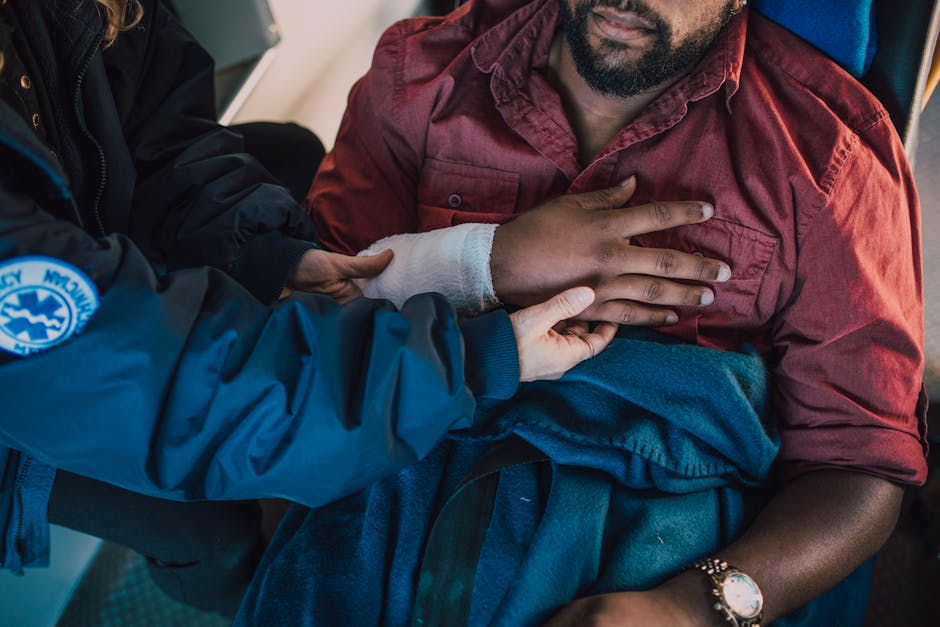
Photo by RDNE Stock project on Pexels

South Dakota personal injury law operates in the context of a state whose physical and demographic characteristics create unusual liability scenarios. The Black Hills region (Custer; Pennington; Lawrence; Meade counties in western South Dakota) draws 4 million tourists annually for Mount Rushmore; Crazy Horse Memorial; Custer State Park; Wind Cave National Park; and Badlands National Park. Eastern South Dakota's agricultural belt (Brookings; Watertown; Aberdeen; Huron; Mitchell) has significant farm equipment and livestock-related injury claims that have no equivalent in more urbanized states. The Missouri River corridor (Lake Oahe; Lake Francis Case; Lewis and Clark Lake) generates boating; fishing; and marina accident claims. And the state's nine Native American reservations create persistent questions of tribal vs. state tort law jurisdiction that have generated significant federal case law.

South Dakota's personal injury legal framework is governed primarily by the South Dakota codified laws (SDCL) Titles 20 and 21. SDCL sec. 20-9-1 (general negligence) provides the basic duty-breach-causation-damages framework. South Dakota follows traditional premises liability distinctions between invitees, licensees, and trespassers under common law principles. South Dakota's approach to strict products liability tracks the national Restatement standards. South Dakota's Dram Shop Act (SDCL sec. 35-4-78) imposes civil liability on alcohol licensees (taverns; package stores; restaurants serving alcohol) who sell alcohol to a noticeably intoxicated person or to a minor, if the intoxicated person or minor then causes injury to a third party -- a significant issue in the Sturgis Rally and Sioux Falls/Rapid City nightlife contexts.