
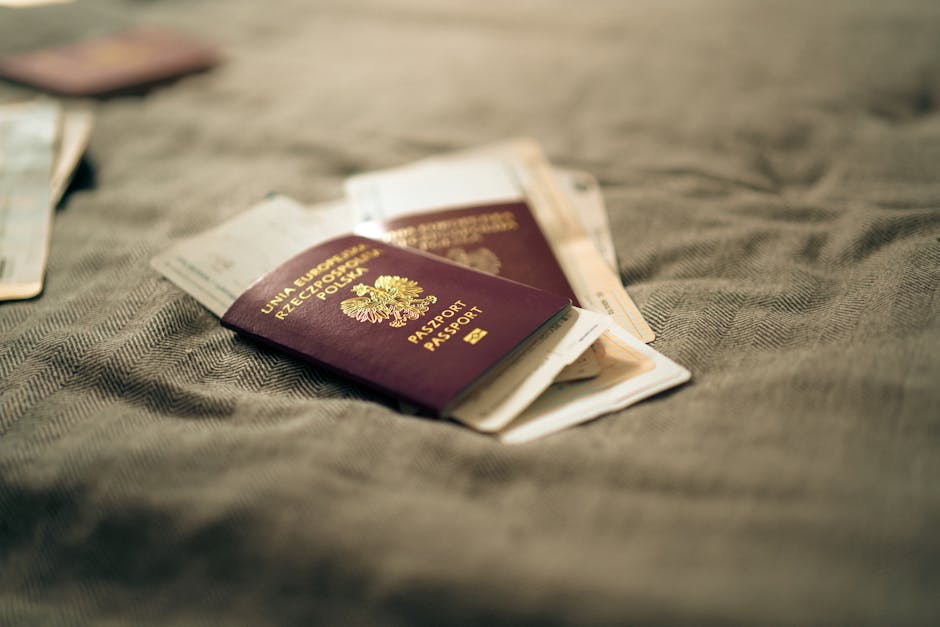
Immigration is not a side note in Syracuse — it is central to the city's story. For decades Syracuse has been one of the country's most active refugee-resettlement communities relative to its size, and the Northside, the Near West Side, and the neighborhoods around the North Salina Street corridor are home to large Bhutanese-Nepali, Somali, Burmese and Karen, Congolese, Iraqi, Ukrainian, and Latino populations. That resettlement is organized locally by CATHOLIC CHARITIES OF ONONDAGA COUNTY and by INTERFAITH WORKS OF CENTRAL NEW YORK through its Center for New Americans, which handle initial placement, English instruction, and often the immigration legal work that follows arrival. New York's posture is protective: the GREEN LIGHT LAW of 2019 lets residents obtain a standard New York driver's license at the Onondaga County DMV regardless of immigration status, and it limits the sharing of DMV data with federal immigration authorities. Immigration law itself, however, is FEDERAL, so a supportive state cannot change eligibility for asylum, a green card, or citizenship — what state law does is remove local obstacles like driving, and reduce the fear that keeps people from courthouses, hospitals, and schools.
Where a Syracuse immigration matter is decided depends on what it is. Benefit applications — green cards, work permits, naturalization, asylum affirmatively filed, family and employment petitions — go through U.S. CITIZENSHIP AND IMMIGRATION SERVICES (USCIS), which maintains a field office and biometrics services serving Central New York, so many interviews and fingerprint appointments happen locally. REMOVAL (deportation) cases, by contrast, are heard by the immigration courts of the Executive Office for Immigration Review (EOIR), and there is no immigration court in Syracuse itself: detained cases from the region are generally handled at the EOIR court at the BUFFALO FEDERAL DETENTION FACILITY in BATAVIA, the main upstate detention site, while non-detained cases may be scheduled there, in Manhattan at 26 Federal Plaza, or by video. New York's PROTECT OUR COURTS ACT limits civil immigration arrests at and around state courthouses, so a person can attend a family, criminal, or housing matter with less risk of an ICE arrest in the hallway. Federal enforcement by ICE Enforcement and Removal Operations still applies, and knowing which system you are in — benefits or removal — determines the deadlines and the strategy.
The relief available turns entirely on the individual's history, and Syracuse's mix of newcomers spans most of the categories. ASYLUM protects people who fear persecution based on race, religion, nationality, political opinion, or membership in a particular social group, and it carries a strict ONE-YEAR filing deadline from the last entry, subject to narrow exceptions — a deadline that traps people who wait. Refugees and asylees can ADJUST to lawful permanent residence, typically after one year, and eventually naturalize. Other paths include the U VISA (for victims of certain crimes who help law enforcement), the T VISA (for trafficking survivors), the VAWA self-petition (for abused spouses, children, and parents of citizens or residents, filed confidentially and independent of the abuser), SPECIAL IMMIGRANT JUVENILE STATUS (for abused, abandoned, or neglected children, which requires a predicate order from a New York Family or Supreme Court), TEMPORARY PROTECTED STATUS and humanitarian parole for designated nationalities, and CANCELLATION OF REMOVAL as a defense in immigration court. Family- and employment-based petitions round out the field. Syracuse University's international students and scholars add F-1, J-1, OPT, and H-1B questions, SUNY Upstate sponsors physicians and researchers, and the coming Micron project is expected to expand skilled-worker and employment-based green-card demand across the region.
For refugees specifically, the legal calendar has its own rhythm. After resettlement, a refugee is authorized to work immediately, should apply for a green card after the required period of physical presence, and can later petition to reunite with certain family members abroad, a process that is often slow and document-intensive. The PUBLIC CHARGE rule — which can affect some family-based applicants who are likely to depend on certain public benefits — generally does NOT apply to refugees, asylees, and many humanitarian categories, and specialized programs exist for benefits without immigration penalty, but the rules shift with federal policy and should be checked case by case rather than assumed. Language access is a constant theme: USCIS interviews, immigration court, and the underlying evidence often require certified interpreters and translated documents, and Syracuse's resettlement agencies and legal providers are built to supply them in the languages the community speaks. The central caution is that a protective New York does not suspend federal enforcement — a removal order, an old criminal case, or a missed court date carries the same weight here as anywhere, which is why timely, competent legal help matters so much.
The most damaging mistake a Syracuse immigrant can make is trusting the wrong helper. NOTARIO FRAUD — where a notary public or an unlicensed immigration consultant poses as a lawyer, files the wrong forms, misses deadlines, or takes money and disappears — has ruined cases and even triggered deportations, because in the United States a notary is not an attorney and cannot give legal advice. Get help only from a licensed immigration attorney or from an organization recognized and accredited by the Department of Justice. In Syracuse that includes CATHOLIC CHARITIES OF ONONDAGA COUNTY and INTERFAITH WORKS' Center for New Americans (both with accredited representatives), LEGAL SERVICES OF CENTRAL NEW YORK, the HISCOCK LEGAL AID SOCIETY, the Volunteer Lawyers Project of Central New York, and the immigration and refugee clinics at Syracuse University College of Law. Practical protection matters too: carry proof of any status you hold, keep certified copies of your documents in a safe place, memorize a KNOW YOUR RIGHTS plan (the right to remain silent, the right not to open the door without a judicial warrant, the right to a lawyer), never sign a document you do not understand or a voluntary-departure form without advice, and make a family emergency plan naming who cares for your children and where your papers are if you are detained.
Need immigration-related legal documents?
Affidavits, power of attorney, notarized forms — 150+ document types.
Sponsored links. Affiliate disclosure · Compare all options