
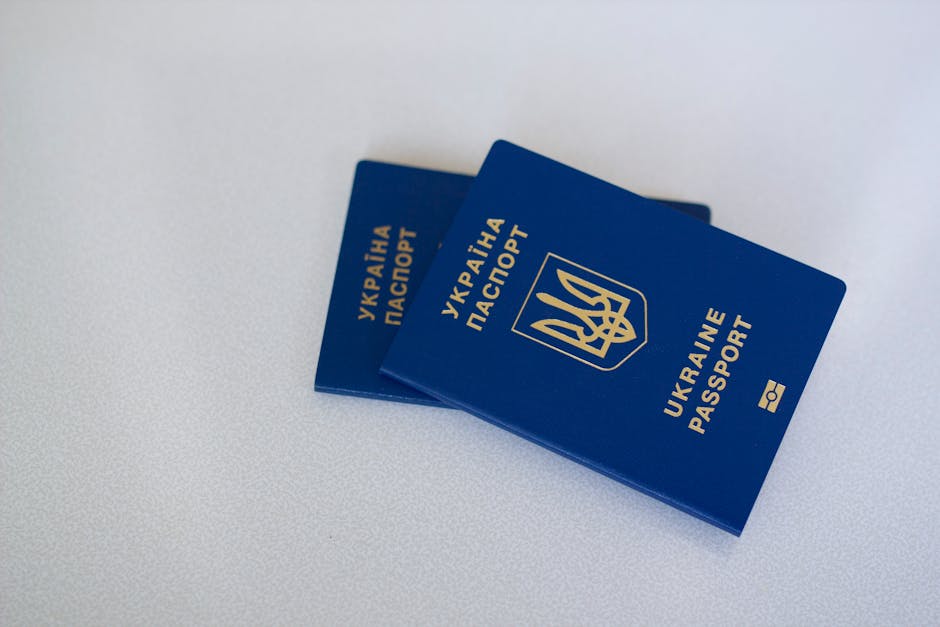
Immigration is not a practice area in the Bronx — it is the borough's biography. Roughly a THIRD of Bronx residents were born abroad, and more than half speak a language other than English at home: the Dominican community is the largest in the country outside Washington Heights and now anchors University Heights, Fordham, and Kingsbridge; Puerto Rican Bronxites (citizens by birth, but whose families navigate every adjacent immigration issue) built the modern borough; Mexican, Honduran, Ecuadorian, and Salvadoran communities have grown for two decades (Mott Haven, Melrose, Soundview); WEST AFRICANS — Ghanaians, Nigerians, Senegalese, Gambians, Malians — have made the Grand Concourse, Highbridge, and Morris Heights one of America's great African immigrant districts (with mosques, hometown associations, and asylum-based immigration patterns all their own); JAMAICANS and other West Indians own and rent across Wakefield, Williamsbridge, and Baychester; BANGLADESHIS concentrate in Parkchester (halal storefronts and remittance economies included); ALBANIANS made Belmont and Pelham Parkway the largest Albanian settlement in the U.S.; the GARIFUNA community (Honduran and Belizean Afro-indigenous) is the nation's biggest; and Woodlawn remains an IRISH immigration village, served by the Emerald Isle Immigration Center. Since 2022, tens of thousands of newly arrived asylum seekers — Venezuelan, Ecuadorian, West African, and more — have moved through city shelters into Bronx neighborhoods, adding a new generation to the borough's oldest story. The legal geography, however, is unforgiving: there is NO immigration court and no USCIS field office in the Bronx itself — removal cases are heard in MANHATTAN at 26 Federal Plaza and 290 Broadway (with detained dockets historically at 201 Varick Street), USCIS interviews happen at Federal Plaza, and the New York immigration courts carry one of the largest case backlogs on earth, with hearing dates routinely set years out.
What the Bronx lacks in federal offices it makes up in legal infrastructure — much of it invented here. THE BRONX DEFENDERS (360 East 161st Street; 718-838-7878) pioneered holistic defense with in-house immigration counsel and is a founding provider of NYIFUP — the NEW YORK IMMIGRANT FAMILY UNITY PROJECT — the nation's FIRST universal representation program for DETAINED immigrants: people detained and facing removal who cannot afford counsel are assigned free deportation-defense lawyers (Bronx Defenders, Brooklyn Defender Services, The Legal Aid Society) at their first Varick Street–docket appearance, a program that multiplied detained immigrants' success rates severalfold and became the national model. Free, legitimate help beyond NYIFUP: ACTIONNYC (1-800-354-0365) — the City's own program — provides free, confidential immigration legal screening and representation through community organizations and hospitals (including Bronx sites); CATHOLIC CHARITIES Community Services runs immigration clinics and the state's Office for New Americans hotline (1-800-566-7636); CUNY CITIZENSHIP NOW! offers free naturalization and application help at CUNY campuses including Bronx locations; THE LEGAL AID SOCIETY (212-577-3300) and BRONX LEGAL SERVICES (917-661-4500) handle immigration alongside the housing and benefits problems that come with it; and the borough's community organizations — African Communities Together (West African communities), Masa (Mexican and Latin American families in Mott Haven), Mekong NYC (Southeast Asian Bronxites), Emerald Isle Immigration Center (Woodlawn), and the mutual-aid networks of the Bangladeshi and Albanian communities — connect neighbors to screenings in their own languages. The counterweight is NOTARIO FRAUD, endemic on the borough's commercial strips: "notarios," travel agencies, and multiservice storefronts that take thousands of dollars to file wrong or fraudulent applications (sometimes triggering removal proceedings against their own clients). In Latin America a "notario" is a lawyer; in New York a notary is a stamp. Only attorneys and DOJ-ACCREDITED representatives may give immigration advice — verify accreditation, demand receipts and copies of everything filed, and report fraud to the NY Attorney General and DCWP, which prosecute it.
New York State and City law build a legal shelter around Bronx immigrants that contrasts sharply with much of the country. The GREEN LIGHT LAW (2019) lets ALL New York residents obtain a standard driver's license regardless of immigration status — using foreign passports, consular IDs, and ITINs as documentation — and by statute shields DMV records from federal immigration enforcement absent a judicial warrant; an undocumented Bronx driver can and should be fully licensed and insured. IDNYC provides free municipal identification accepted by NYPD, city agencies, schools, and many banks — with no immigration questions. The PROTECT OUR COURTS ACT (2020) bars civil immigration arrests at or around New York courthouses without a judicial warrant, so tenants can defend evictions at 1118 Grand Concourse and crime victims can testify at 265 East 161st without ICE ambushes being lawful. NYC's DETAINER LAWS sharply limit NYPD and Department of Correction cooperation with ICE civil detainers (honoring them only with judicial warrants for serious-offense convictions), ICE was removed from Rikers Island in 2015 — and recent mayoral attempts to invite it back have been fought in the courts — and city agencies operate under confidentiality policies limiting status inquiries. Health care exists regardless of status: NYC HEALTH + HOSPITALS (Jacobi, Lincoln, North Central Bronx and their Gotham clinics) treats everyone under NYC CARE regardless of status or ability to pay, EMERGENCY MEDICAID covers emergencies for the otherwise ineligible, and New York's state-funded coverage reaches children and, in expanding phases, older adults regardless of status. Public schools enroll every child (Plyler rights — no status questions), CUNY admits and offers in-state tuition to undocumented graduates of NY high schools (the Senator José Peralta DREAM Act funds TAP aid), and labor, tenant, and injury rights (see this site's companion Bronx guides) apply with full force to the undocumented.
The honest ledger also includes federal reality, which residents live daily and which shifted hard in 2025: ENFORCEMENT operates here regardless of city policy — ICE makes street, home, and (since 2025, controversially and litigiously) immigration-courthouse arrests at 26 Federal Plaza check-ins and hearings; detained New Yorkers are held not in the city but at county jails upstate (Orange County among them) and New Jersey facilities (the reopened Delaney Hall in Newark among them), making family visits and attorney access genuinely hard — which is exactly what NYIFUP counsel navigate; expanded EXPEDITED REMOVAL and registration-era policies have raised stakes for recent arrivals; and TPS designations (Venezuela and Haiti above all — both huge in the Bronx's newest communities) have whipsawed through terminations and court fights, meaning no one should rely on a status headline without checking the CURRENT federal register and litigation posture that week. The permanent advice through every administration: KNOW YOUR RIGHTS — you do not have to open your door to ICE without a JUDICIAL warrant (signed by a judge, naming your address — administrative "Form I-200" warrants do not authorize home entry; ask for it under the door and photograph it), you have the right to remain silent about status anywhere, and you should never sign anything unread (stipulated removal orders travel disguised as paperwork). Families with mixed status should build a PREPAREDNESS PLAN: emergency contacts memorized, a standby guardianship designation for children (New York's standby guardianship law exists for exactly this), documents (passports, birth certificates, proof of presence and residence) copied to a trusted person, and A-numbers written down. The city's rapid-response and know-your-rights networks — including the borough's churches, mosques, and hometown associations — distribute red cards in Spanish, French, Wolof, Bengali, Albanian, and Garifuna for a reason.
On the affirmative side, the Bronx docket is a catalog of every path in the statute, and screening is the highest-value legal act in the borough: FAMILY-BASED petitions (with Dominican and Jamaican consular-processing pipelines that experienced local practitioners know intimately); NATURALIZATION (the borough naturalizes thousands yearly — free help at CUNY Citizenship Now! and ActionNYC; the fee waiver covers most Bronx applicants; disability waivers and language exemptions matter for elders); ASYLUM (West African political and gender-based claims, Venezuelan and Central American cases — the one-year filing deadline is the trap for new arrivals; get screened within months of arrival, not years); SPECIAL IMMIGRANT JUVENILE STATUS through Bronx Family Court guardianship/custody findings for abused, abandoned, or neglected youth under 21 — a Bronx specialty given the borough's unaccompanied-minor population; U VISAS (crime victims who cooperate — NYPD and the Bronx DA both certify; the borough's crime-victim caseload makes this a major path), T VISAS (trafficking, including labor trafficking in the home-care and restaurant economies), and VAWA self-petitions (abuse by citizen/LPR spouses — screened confidentially at the Bronx Family Justice Center, 198 East 161st Street); CANCELLATION OF REMOVAL for long-residence cases; DACA renewals (processed even as the program's litigation grinds on — renew early, every time); and post-conviction work (vacaturs of old pleas taken without Padilla advice — the Bronx Defenders' specialty — that reopen immigration doors). The closing rule the borough's best advocates repeat in every language: in immigration law, DEADLINES AND HONESTY are everything — the one-year asylum clock, the 90-day renewal windows, the appearance dates (a missed hearing is an in-absentia removal order); never miss a date, never file a story that isn't yours, and never pay anyone who promises outcomes. The law here is hard, but the Bronx has more free, legitimate immigration help per square mile than almost anywhere in America — use it first.
Need immigration-related legal documents?
Affidavits, power of attorney, notarized forms — 150+ document types.
Sponsored links. Affiliate disclosure · Compare all options