
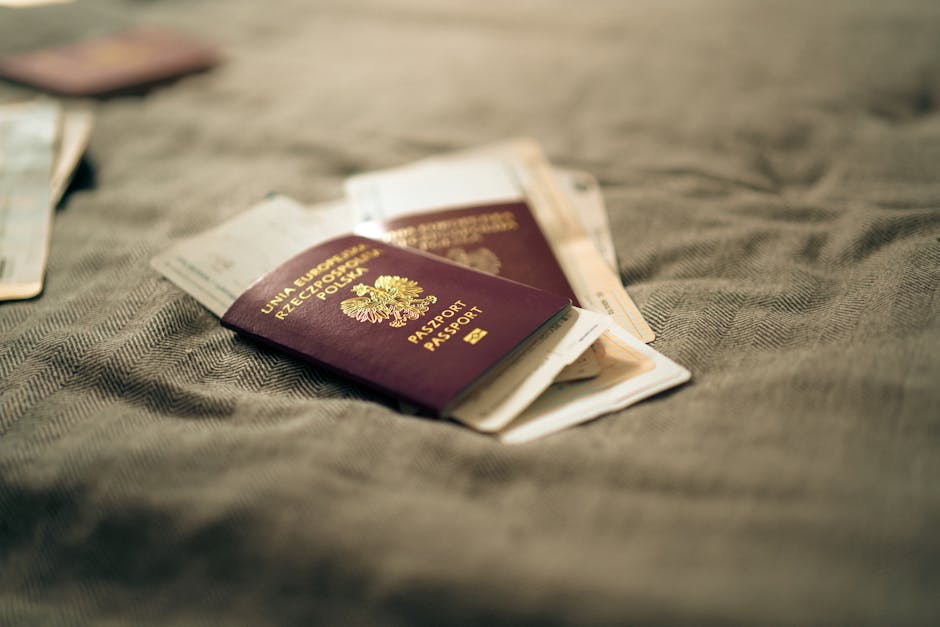
Immigration is central to Schenectady's identity in a way it is for few upstate cities. The "Electric City" is home to one of the LARGEST GUYANESE COMMUNITIES outside New York City — families who came largely by way of Richmond Hill, Queens, drawn to Schenectady's affordable historic housing and revitalization in the 2000s — alongside a growing Latino population and refugees resettled across the Capital Region. That reality shapes the local immigration practice: family petitions, green cards, and naturalization for a well-established community, humanitarian relief for newer arrivals, and the constant tension between New York's protective STATE posture and FEDERAL enforcement that the state cannot override. New York has affirmatively chosen to be welcoming: the GREEN LIGHT LAW (2019) lets residents obtain a New York State driver's license regardless of immigration status, and state policy limits how much local agencies share information with federal immigration authorities. The PROTECT OUR COURTS ACT bars ICE from making civil arrests at or around New York State courthouses without a judicial warrant, so attending a Schenectady City, County, or Family Court date is generally safe. But immigration law itself is federal, so benefits and defenses run through USCIS, the immigration courts (EOIR), and ICE, not through any local office.
For most of Schenectady's Guyanese and immigrant families, the day-to-day work is FAMILY-BASED immigration and NATURALIZATION. U.S. citizens and lawful permanent residents can petition for close relatives (spouses, children, parents, and siblings) using Form I-130, with the wait depending on the category and the visa-bulletin priority dates; relatives already here may adjust status with Form I-485, while those abroad complete CONSULAR PROCESSING — for Guyanese families, often through the U.S. Embassy in Georgetown. Green-card holders who have met the residence requirement (generally five years, or three years if married to and living with a U.S. citizen) can apply for CITIZENSHIP on Form N-400, and for the Capital Region, USCIS interviews and naturalization ceremonies are typically handled through the USCIS ALBANY-area field office rather than downstate. Because Guyana's official language is English, language is less of a barrier for Guyanese applicants than for many groups, but the paperwork, the priority-date system, and the consequences of any past immigration or criminal issue still make competent guidance valuable — and the marriage, income (affidavit of support), and admissibility requirements trip up do-it-yourself filers regularly.
Newer arrivals more often need HUMANITARIAN relief, and New York's legal-services network in the Capital Region handles these. ASYLUM (Form I-589) protects those who fear persecution in their home country on account of race, religion, nationality, political opinion, or membership in a particular social group, and generally must be sought within one year of arrival, subject to exceptions. The Capital Region is an active REFUGEE resettlement area — the U.S. Committee for Refugees and Immigrants (USCRI) and partner agencies have resettled families from Afghanistan, the Democratic Republic of Congo, Ukraine, and elsewhere — and refugees and asylees can later adjust to permanent residence. Other tools include TEMPORARY PROTECTED STATUS (TPS) for nationals of designated countries; the U VISA for victims of certain crimes who cooperate with police (relevant given local policing needs), the T VISA for trafficking survivors, and VAWA self-petitions for abused spouses and children, all of which let a survivor seek status independent of an abuser; and SPECIAL IMMIGRANT JUVENILE STATUS (SIJS) for abused, neglected, or abandoned children, which begins with a predicate order from a New York state court — often Schenectady County Family Court — before the immigration petition.
Enforcement and DETENTION are the hardest part of the practice, and geography matters. There is no immigration court in Schenectady; Capital Region cases are generally heard at the immigration court in NEW YORK CITY (26 Federal Plaza) for non-detained matters, frequently by video, while DETAINED cases route to the BATAVIA immigration court at the Buffalo Federal Detention Facility in western New York — a long way from a Schenectady family, which makes bond and communication difficult. A person taken into ICE custody may be eligible for a BOND to be released while the case proceeds, and removal defense may include asylum, cancellation of removal, adjustment, or waivers depending on the facts. This is where the criminal and immigration systems collide: under Padilla v. Kentucky, a non-citizen facing any criminal charge in Schenectady must have the immigration consequences analyzed BEFORE any plea, because a seemingly minor disposition can trigger removal or bar relief. Everyone should know their rights: you have the right to remain silent, the right not to open the door without a judicial warrant signed by a judge (an ICE administrative warrant is not enough), and the right to speak to a lawyer — and a family emergency plan (guardianship for children, key documents in one place) is wise for mixed-status households.
The single most important warning is about FRAUD. "NOTARIOS," unlicensed "immigration consultants," and anyone who guarantees a result prey on immigrant communities, and in Latin America and parts of the Caribbean a "notario publico" is a trained legal professional — so the title misleads. Only a licensed ATTORNEY or a federally ACCREDITED REPRESENTATIVE at a recognized nonprofit may give legal advice or represent you before immigration authorities; bad or fraudulent filings can destroy a case and even trigger removal. Schenectady and Capital Region residents can find legitimate help through nonprofit providers such as THE LEGAL PROJECT (Albany), USCRI's Albany office, the EMPIRE JUSTICE CENTER, and the LEGAL AID SOCIETY OF NORTHEASTERN NEW YORK, and can verify an attorney through the New York courts or find one through the American Immigration Lawyers Association (AILA). Practical protections apply to everyone regardless of status: keep certified copies of all filings and receipts, never hand over originals to a "consultant," never sign a blank form, get a written fee agreement, and be wary of anyone who promises a visa or citizenship "fast." Green Light licenses, in-state tuition, and labor protections do not depend on status — but federal immigration benefits require careful, honest, and competent filings.
Need immigration-related legal documents?
Affidavits, power of attorney, notarized forms — 150+ document types.
Sponsored links. Affiliate disclosure · Compare all options