
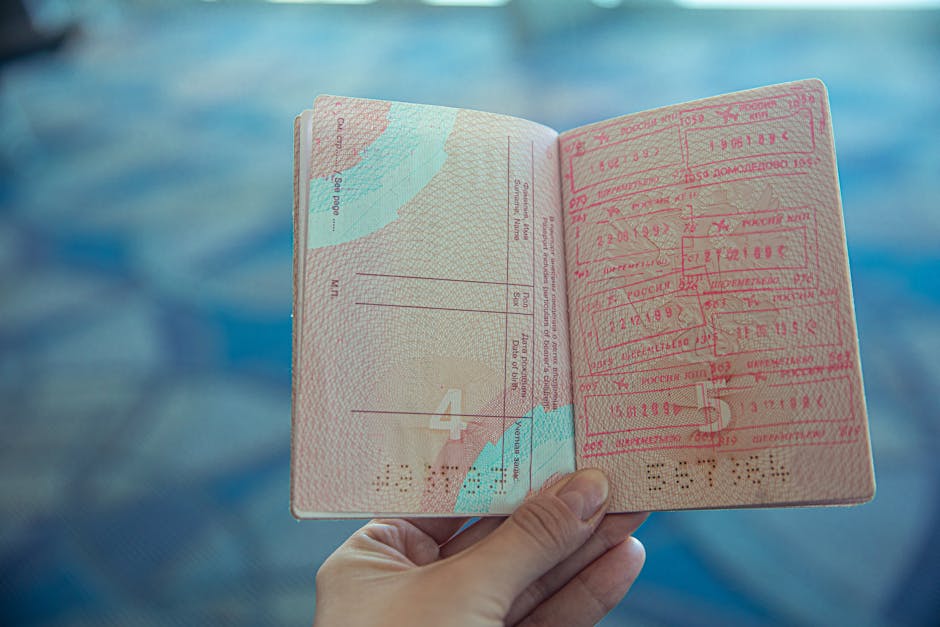
Massachusetts's approach to immigration enforcement is among the most protective of immigrant communities in the country — shaped by Boston's history as a city of immigrants (Irish, Italian, Jewish, Puerto Rican, Dominican, Vietnamese, Haitian, Brazilian, Chinese), Cambridge's status as a sanctuary city, and a series of significant judicial decisions that have made Massachusetts a national model for immigrant protection. The Massachusetts Supreme Judicial Court's decisions in Lunn v. Commonwealth, 477 Mass. 517 (2017) established that Massachusetts law enforcement officers lack authority to arrest or detain individuals based solely on federal civil immigration detainers — a ruling that effectively prevents local police from holding people on ICE detainers absent a state criminal basis for continued detention.
The Massachusetts TRUST Act, signed by Governor Charlie Baker in 2017 after years of advocacy, codified and extended immigration protections: it prohibits Massachusetts law enforcement from using state resources for federal civil immigration enforcement; limits information sharing about immigration status in certain contexts; and strengthens policies to encourage immigrant crime victims and witnesses to report crimes without fear of immigration enforcement. The practical consequence: in Massachusetts, if you are stopped by local or state police without any criminal basis for detention, police cannot hold you on an ICE detainer or assist in a civil immigration arrest. This doesn't eliminate immigration enforcement — ICE can and does operate independently in Massachusetts — but it means Massachusetts local and state police are not participants in most civil immigration enforcement.
Massachusetts TPS Communities: Haitian, El Salvadoran, Honduran
Massachusetts has among the largest concentrations of nationals from Temporary Protected Status (TPS) countries in the United States. The Haitian community in Mattapan, Dorchester, Hyde Park, and Brockton represents one of the most significant Haitian diaspora communities in the country — with tens of thousands of Haitian nationals who entered the U.S. under various immigration pathways (TPS, asylum, diversity lottery, family-based immigration). El Salvadoran and Honduran communities in East Boston, Chelsea, Lynn, and Lawrence (the "Immigrant City") similarly represent substantial TPS populations. Revere, with its large Central American community, is another focal point. The TPS designation creates a specific legal vulnerability: TPS holders have lawful status and work authorization, but TPS can be terminated by the executive branch, as occurred during the Trump administration for multiple TPS nationalities. Massachusetts immigrants organizations (PAIR Project, Greater Boston Legal Services, Political Asylum/Immigration Representation Project) have been at the forefront of legal challenges to TPS terminations. When a TPS national's status ends, they may have no other lawful immigration status — creating a large-scale adjustment of status challenge for communities deeply rooted in Massachusetts.
DACA and the Massachusetts Immigrant Student Community
Massachusetts has one of the highest concentrations of DACA recipients among New England states, concentrated in the Boston metro area, Springfield, Worcester, and Lawrence. Massachusetts allows DACA recipients to obtain driver's licenses (as REAL ID-compliant licenses using EAD), professional licenses in most regulated professions, and in-state tuition at Massachusetts public universities (under M.G.L. c. 15A, § 9, Massachusetts allows in-state tuition for students who attended and graduated from a Massachusetts high school after living in Massachusetts for at least 3 years — this covers many DACA recipients regardless of immigration status). The Massachusetts Dream Act provisions have been implemented through both legislation and university policy decisions. Harvard, MIT, Tufts, Boston University, and UMass system schools have all implemented policies providing application consideration, financial aid, and support services for undocumented students and DACA recipients — though private institutional financial aid policies vary.
Brazilian Community in Massachusetts
Greater Boston has one of the largest Brazilian immigrant communities in the United States — concentrated in Framingham, Somerville, Cambridge, and Marlborough. Brazilian immigrants arrive through various pathways: tourist visas that expire (becoming undocumented), diversity lottery (Brazil is eligible in years when its allocation is available), asylum claims, and employment-based immigration for skilled workers in technology and finance. The Brazilian immigrant community in Massachusetts has significant legal needs: unauthorized status for many overstay immigrants; DACA eligibility for some who arrived as minors; naturalization for those who have obtained permanent residence through marriage to U.S. citizens or employment; and consular services through the Brazilian Consulate General in Boston. Brazil-specific immigration issues: Brazilian nationals seeking asylum must demonstrate persecution based on protected grounds (political opinion, race, religion, nationality, or particular social group) — Brazilian gang violence victims face significant challenges demonstrating PSG membership; crimes committed in Brazil may affect admissibility; Brazilian children brought to the U.S. as minors (some eligible for SIJS — Special Immigrant Juvenile Status) represent a distinct population.
Need immigration-related legal documents?
Affidavits, power of attorney, notarized forms — 150+ document types.
Sponsored links. Affiliate disclosure · Compare all options