
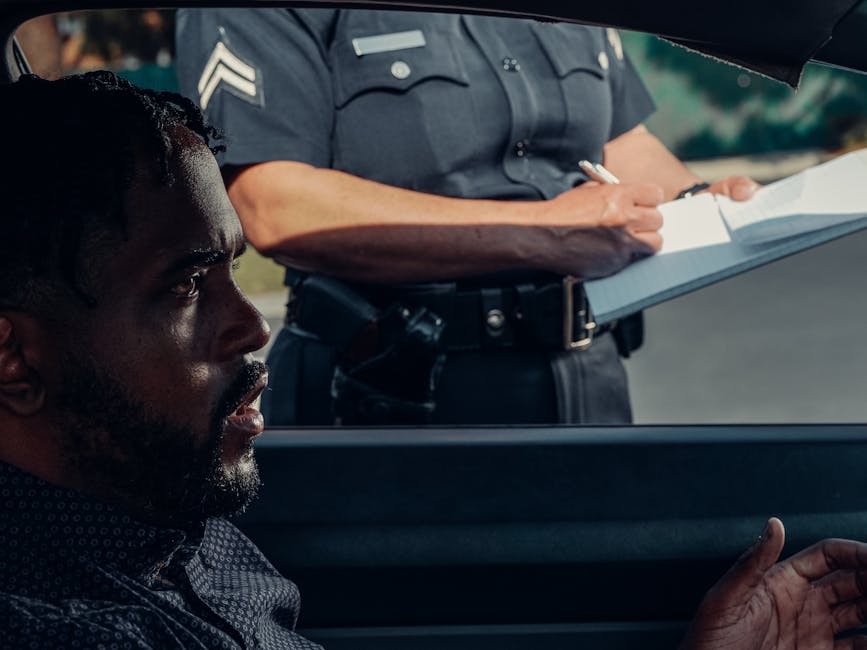
Wisconsin calls it OWI — Operating While Intoxicated. Not DUI. Not DWI. Wisconsin's statute (Wis. Stat. § 346.63) uses "operating" — a broader term than "driving" that can cover situations where a vehicle is not in motion. And Wisconsin's first-offense OWI stands alone in the Midwest for a peculiar distinction: it is a civil traffic violation, not a criminal offense. A first-offense OWI in Wisconsin (where there are no aggravating factors) is processed through the civil traffic court system — no criminal record, no potential for jail time, fines and license revocation only. This is entirely different from Indiana, Missouri, Maryland, and virtually every other state, where a first OWI/DUI/DWI is a criminal misdemeanor. Wisconsin's approach reflects a historical policy choice and has generated substantial debate about whether the state's OWI laws are insufficiently punitive.
Wisconsin's per se THC limit is the strictest in the nation: zero. Any detectable amount of THC (delta-9-tetrahydrocannabinol) or any Schedule I controlled substance in the blood while operating a vehicle constitutes a per se OWI under § 346.63(1)(am). With neighboring Illinois legalizing cannabis in January 2020 and Minnesota following in August 2023, Wisconsin OWI lawyers frequently encounter clients who legally consumed cannabis in an adjacent state, drove in Wisconsin days later — when THC metabolites were still detectable in blood but impairment had fully resolved — and face a Wisconsin per se OWI charge despite arguably no impairment at the time of operation. This zero-nanogram standard is the sharpest distinguishing feature of Wisconsin OWI law among all Midwest states.
Need legal documents for your traffic case?
Hardship license requests, hearing prep forms, and correspondence — state-specific.
Sponsored links. Affiliate disclosure · Compare all options