
State guide Utah

Utah DUI & Traffic Violations: what to handle first around suspension pressure, citation strategy, and timing

Direct dui & traffic violations guidance for Utah residents covering license risk, citation strategy, pressure points, and when legal review starts changing leverage.

Reviewed January 2026 2 min read Official-source grounded Ver en Espanol En Español
Key Takeaways
  • UTAH ONLY STATE WITH 0.05% PER SE LIMIT: § 41-6a-502(1)(a) effective Dec 30, 2018 (SB 263, signed 2017 Gov. Herbert); all other states = 0.08%; CDL holders in commercial vehicle = 0.04% (federal FMCSA); under-21 = 0.02% "not-a-drop" policy (§ 41-6a-530); impairment prong ALSO applies (§ 41-6a-502(1)(b)): operating while "incapable of safely operating" even below 0.05%; NTSB long recommended 0.05% national standard; ABI legal challenge to UT 0.05% = unsuccessful; practical: 1-2 drinks ≈ 0.02-0.06% BAC for average adult → near UT limit
  • DUI penalties: 1st offense = Class B misdemeanor; 48hr jail OR community service; ~$1,310 minimum fine; 120-day license suspension; substance abuse assessment + education program; 2nd offense (within 10yr) = Class A misdemeanor; 240hr jail mandatory; 2yr suspension; IID required; 3rd offense (within 10yr) = 3rd degree FELONY (§ 41-6a-505); 0-5yr prison; Aggravated DUI (§ 41-6a-503): BAC ≥ 0.16% OR minor in vehicle OR prior DUI → enhanced penalties; DUI causing serious injury = 2nd degree felony (1-15yr); DUI causing death → automobile homicide (§ 76-5-207) 2nd or 3rd degree felony
  • Implied consent (§ 41-6a-520): REFUSAL = 18-month revocation (vs. 120-day suspension for DUI compliance); refusal admissible as evidence at trial; strong asymmetry creates incentive to submit; 10-DAY HEARING REQUEST DEADLINE from notice receipt (DLD = Driver License Division); miss deadline = automatic suspension; administrative hearing limited issues: reasonable grounds + arrest + proper test + BAC ≥ 0.05%; temporary driving permit issued at arrest pending hearing
  • Utah DABC/DABS state monopoly: ~45 state liquor stores; spirits/wine ONLY from state stores; grocery/convenience = beer ≤5% ABV; restaurant alcohol: "Restaurant License" requires bona fide food establishment + food/alcohol revenue ratio; spirits volume per drink regulated; "Zion Curtain" modified 2017 (alcohol prep screen → 10-ft table distance OR alternative compliance); out-of-state ski resort visitors unfamiliar with 0.05% limit = significant DUI risk (Park City/St. George tourist areas)
  • DUI defense: 4th Amendment stop challenge (§ 41-6a-520 stop must have reasonable articulable suspicion); SFST challenges (HGN/Walk-and-Turn/One-Leg-Stand): NHTSA protocol compliance + improper surface/lighting + medical conditions (inner ear disorder/GERD/eye conditions); Intoxilyzer calibration logs; 0.05% margin → ±0.005% analytical error = significant at per se threshold (0.052% reading within error margin of 0.047% true BAC); rising BAC defense; drug DUI: DRE protocol validity challenges + THC metabolite persistence (detectable days/weeks after use without current impairment)
Key Numbers — Utah All 50 states →
Filing Deadline 4 years
Fault Rule Modified Comparative
Insurance System No-Fault
Key Statute Utah Code § 78B-2-307
DUI & Traffic Violations guide for Utah
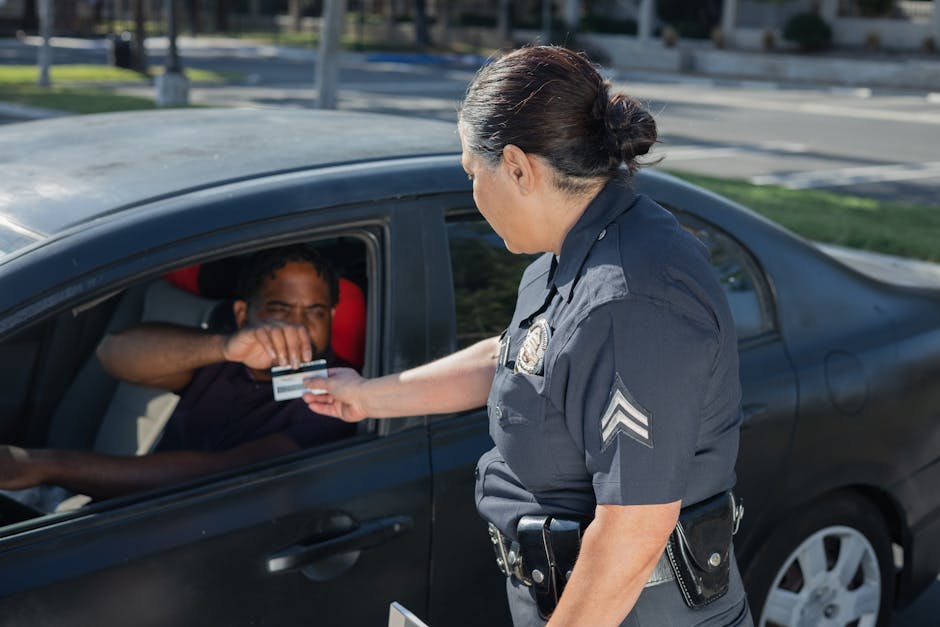
Photo by Kindel Media on Pexels

Utah made headlines across the country on December 30, 2018, when it became the first state in the United States to lower the per se blood alcohol concentration limit for DUI from 0.08% to 0.05% — a change enacted through SB 263, signed by Governor Gary Herbert in March 2017 with an effective date of December 30, 2018. Utah Code Ann. § 41-6a-502 now defines the per se DUI as operating a motor vehicle with a blood alcohol concentration of 0.05% or higher for standard adult drivers. The reduction generated substantial national debate: the American Beverage Institute and restaurant and hospitality industry groups warned that the lower limit would devastate Utah's already constrained alcohol-service industry; DUI safety advocates pointed to research suggesting that meaningful impairment begins at 0.05% for many drivers; and the National Transportation Safety Board (NTSB), which had long recommended a national 0.05% limit, praised Utah's move as a national safety model. Utah's DUI law stands in singular relief — no other state has enacted a 0.05% per se limit, making Utah's DUI enforcement framework materially more restrictive than the rest of the country.

The 0.05% limit's practical effect in Utah is magnified by the state's distinctive alcohol regulatory environment: the Alcoholic Beverage Control Commission (DABC) controls nearly all liquor sales through state-run liquor stores (there are no private liquor stores in Utah), and Utah's restaurant alcohol laws are among the most restrictive in the nation. A restaurant must obtain a "full-service restaurant license" to serve alcohol, which requires a specific ratio of food sales to alcohol sales; cocktails are subject to limits on spirits per drink; and "private club" memberships (which once required a one-time membership fee to drink at a bar) were only phased out in 2009. This regulatory culture means Utah's bar and restaurant industry operates under constraints that limit per-customer alcohol volumes, which in turn makes the practical gap between the 0.05% per se limit and what a typical Utah diner or bar patron actually consumes smaller in some contexts than it might be in states with more permissive alcohol service environments.

Sponsored

Need legal documents for your traffic case?

Hardship license requests, hearing prep forms, and correspondence — state-specific.

Sponsored links. Affiliate disclosure · Compare all options