
State guide Utah

Utah Criminal Defense: the practical pressure around bond paperwork, discovery gaps, and early sequence

A sharper statewide criminal defense page for Utah that breaks down record discipline, bond paperwork, and the choices that shape the file first.

Reviewed January 2026 2 min read Official-source grounded Ver en Espanol En Español
Key Takeaways
  • Capital punishment: § 76-5-202 aggravated murder (murder of child <14; prior capital conviction; murder of peace officer; murder during specified felony; murder for hire); FIRING SQUAD: § 77-18-5.5 authorizes firing squad as alternative (when lethal injection unavailable OR condemned selects it); Ronnie Lee Gardner = June 18, 2010, Utah State Prison Draper = last US firing squad execution until SC 2024; Gardner chose firing squad; Utah retains death penalty (LDS Church takes nuanced non-abolitionist position); Glossip v. Gross 576 U.S. 863 (2015) lethal injection protocol upheld
  • Justice Reinvestment Initiative (HB 348, 2015): reclassified drug possession offenses felony→misdemeanor for first-time/low-level offenders; reduced mandatory minimums; expanded drug courts; earned time credits; bipartisan coalition: LDS Church + ACLU Utah + Utah Taxpayers Association + law enforcement + UACDL; drug courts: Salt Lake/Davis/Utah/Weber Counties; 12-18 month structured treatment program; successful completion → dismissal or reduced sentence; opioid epidemic: UT among top 10 opioid death states 2000s-2010s; PDMP (§ 58-37f-201)
  • Title 76 Criminal Code: 1st degree felony (1yr-life); 2nd degree felony (1-15yr); 3rd degree felony (0-5yr); Class A misdemeanor (≤364 days); Class B (≤6 months); Class C (≤90 days); mandatory minimums: 1st degree murder = 25yr parole minimum; child sex offenses = life without parole possible; expungement (§ 77-40-101 et seq.): Certificate of Eligibility from BCI required before petition; acquittal/dismissal = petition immediately; misdemeanor conviction = 3-5yr waiting period; felony conviction = 5-7yr; NOT eligible: capital/1st degree violent felonies/sex crimes against minors/DUI (restricted)
  • Self-defense (§ 76-2-402): NO general duty to retreat (Utah = effectively stand-your-ground without using that term; no specific civil immunity provision unlike OK § 1289.25 or FL); deadly force justified if reasonably necessary to prevent: death/serious injury/rape/robbery/kidnapping; Castle Doctrine: presumption of reasonable belief in home or vehicle when unlawful forceful entry; initial aggressor = no self-defense justification; defense of property (§ 76-2-406): reasonable (non-deadly) force only; DEADLY FORCE cannot be justified solely to protect property
  • Marijuana: recreational STILL ILLEGAL (§ 58-37-8); LDS Church Word of Wisdom prohibition influential; medical cannabis (Proposition 2, 2018 → HB 3001 compromise → Utah Medical Cannabis Act § 26B-4-201 et seq.): tablets/capsules/oil/transdermal/vaporization cartridges; NO SMOKING of cannabis permitted under UT law; qualifying conditions: PTSD/epilepsy/cancer/chronic pain/Crohn's/ALS/HIV/Alzheimer's/MS/ulcerative colitis; fentanyl counterfeit pill prosecutions: Salt Lake + Utah County aggressive enforcement; methamphetamine: rural UT (Box Elder/Juab/Millard Counties) significant distribution issue
Key Numbers — Utah All 50 states →
Filing Deadline 4 years
Fault Rule Modified Comparative
Insurance System No-Fault
Key Statute Utah Code § 78B-2-307
Criminal Defense guide for Utah
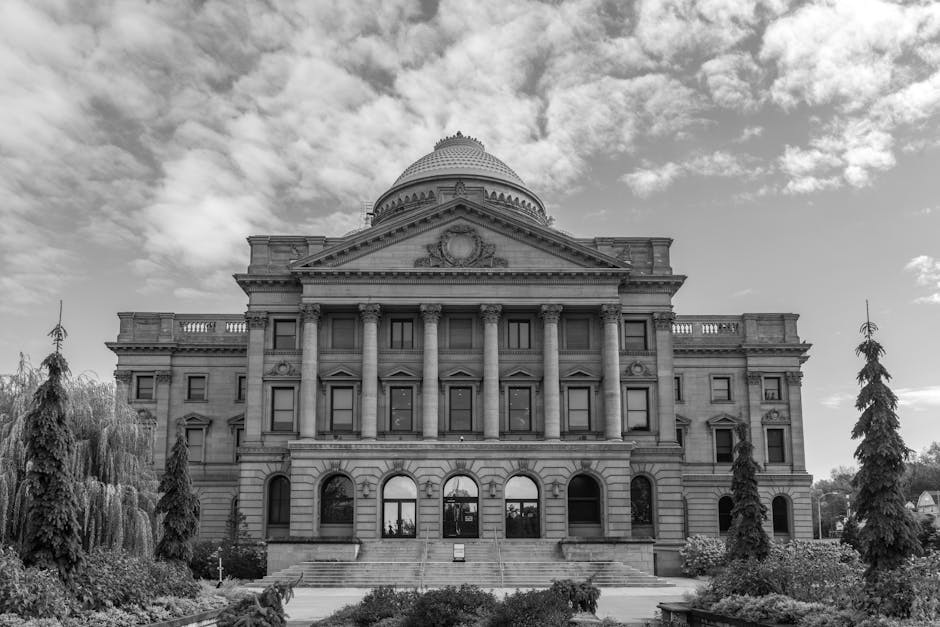
Photo by Phil Evenden on Pexels

Utah is one of only a handful of states that retains the firing squad as an authorized method of capital punishment — and uniquely, it is the state that last used one. Ronnie Lee Gardner was executed by firing squad on June 18, 2010, at the Utah State Prison in Draper, after choosing the firing squad over lethal injection. Gardner's execution was the last firing squad execution in the United States until South Carolina carried out one in 2024, and the political and media attention it generated placed Utah's criminal justice framework under national scrutiny. Utah Code Ann. § 77-18-5.5 authorizes the firing squad as an alternative method of execution when lethal injection is unavailable or when the condemned selects it — a provision that the Utah Legislature specifically preserved, reinforcing Utah's unusual position among death penalty states. Utah's death penalty (which applies to aggravated murder under Utah Code Ann. § 76-5-202) remains on the books in a state where the LDS Church has historically held nuanced positions on capital punishment, neither categorically supporting nor opposing it.

Utah's criminal code, codified in Title 76 of the Utah Code, reflects an approach to drug offenses that has shifted over time — from the punitive mandatory minimum sentencing of the 1980s and 1990s to the treatment-oriented reforms of the 2010s under what became known as Utah's "Justice Reinvestment Initiative" (HB 348, 2015). The 2015 reform reclassified many drug possession offenses, reduced mandatory minimums, and expanded alternatives to incarceration (treatment courts, electronic monitoring, community supervision) — all directed at reducing recidivism and corrections costs. The reform was backed by a politically unusual coalition: the LDS Church, the Utah Association of Criminal Defense Lawyers, the ACLU of Utah, and the Utah Taxpayers Association — reflecting both the humanitarian and fiscal arguments for reform. Utah's expungement statute (Utah Code Ann. § 77-40-101 et seq.) provides a pathway to clearing eligible criminal records, with waiting periods calibrated by offense class.

Sponsored

Need legal documents for your defense?

Character references, release forms, and legal correspondence templates.

Sponsored links. Affiliate disclosure · Compare all options