
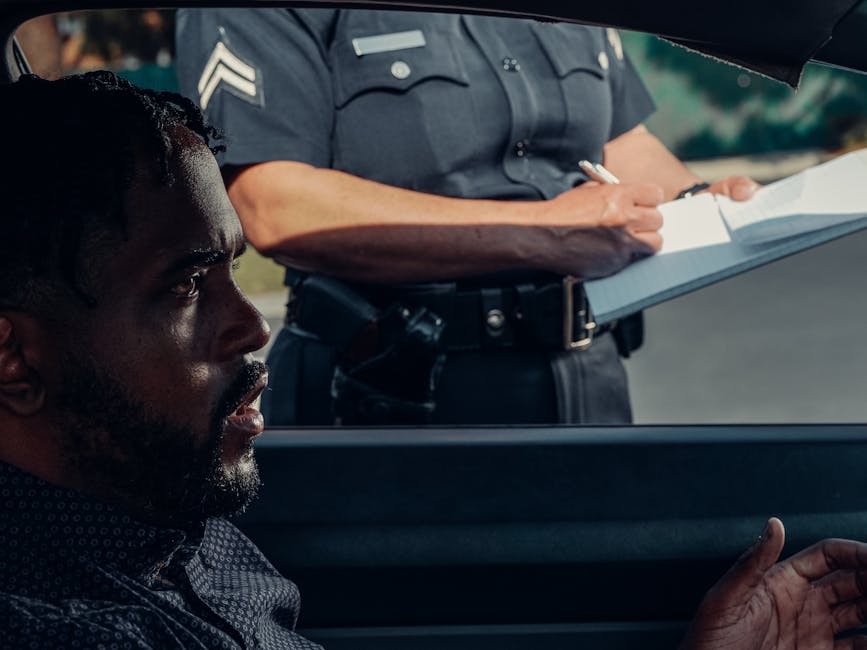
- North Carolina calls it DWI (Driving While Impaired), not DUI — NCGS § 20-138.1
- Level system: 5 misdemeanor levels + Aggravated Level 1; sentencing based on grossly aggravating/aggravating/mitigating factors
- Civil Revocation: immediate 30-day license revocation upon arrest with BAC ≥ 0.08% or refusal (NCGS § 20-16.5)
- 10-day limited driving privilege available after civil revocation under certain conditions
North Carolina's DWI law (NCGS § 20-138.1) uses a unique level-based sentencing system rather than the offense-count escalation used by most states. After conviction, a judge determines the sentence level based on the balance of "grossly aggravating," "aggravating," and "mitigating" factors — creating 6 possible sentence levels (Aggravated Level 1 through Level 5). This factor-based system gives North Carolina judges more flexibility than a simple first/second/third offense structure, but also means a first-time DWI can result in very serious consequences if grossly aggravating factors are present (such as a child in the car, prior DWI within 7 years, or a seriously injured victim).
North Carolina DWI Level System
After a DWI conviction, North Carolina judges assign one of 6 sentence levels based on factors:
- Aggravated Level 1 (most serious): 3 or more grossly aggravating factors — minimum 12 months active jail (no suspension); up to 36 months
- Level 1: 2 grossly aggravating factors — minimum 30 days jail (no suspension); up to 24 months
- Level 2: 1 grossly aggravating factor — minimum 7 days jail; up to 12 months
- Level 3: aggravating outweigh mitigating — 72 hours to 6 months; $250-$1,000 fine
- Level 4: roughly balanced — 48 hours to 120 days; $250-$500 fine
- Level 5 (least serious): mitigating factors outweigh aggravating — 24 hours to 60 days; $100-$200 fine
Grossly aggravating factors include: prior DWI conviction within 7 years; serious injury to another person while DWI; child under 18 in the vehicle; driving with a revoked license for a prior DWI. Mitigating factors include: slight impairment (BAC 0.09% or less); safe driving record; voluntary surrender of license; participation in rehabilitation prior to sentencing.
North Carolina Civil Revocation and Limited Driving Privilege
Upon a DWI arrest in North Carolina where the BAC is 0.08%+ or the driver refused chemical testing, the driver's license is immediately revoked for 30 days (Civil Revocation — NCGS § 20-16.5). The Civil Revocation is separate from any criminal conviction. After 10 days of the civil revocation, drivers may be eligible for a limited driving privilege (LDP) allowing driving for work, school, and household purposes during the remaining 20 days — IF they did not refuse testing and met other conditions. The LDP requires: first-ever DWI offense (no prior DWI conviction); no willful refusal; demonstrated financial responsibility (SR-22 insurance). After criminal conviction, additional license revocation periods apply depending on the offense level and whether a prior DWI exists. Ignition interlock devices are required for license restoration in many DWI cases, particularly for BAC over 0.15% or any second offense.
North Carolina Felony DWI
Most North Carolina DWIs are misdemeanors subject to the Level 1-5/Aggravated Level 1 system. However, DWI can be charged as a felony: (1) Habitual DWI (NCGS § 20-138.5): three DWI convictions within 10 years + a new DWI = Class F felony, minimum 12 months Active imprisonment; (2) Death by Vehicle (NCGS § 20-141.4): driving while impaired and proximately causing death = Class D felony; (3) Serious Injury by Vehicle: causing serious bodily injury while DWI = Class F felony. Habitual DWI carries a mandatory minimum of 12 months Active prison — the judge cannot suspend the sentence. This makes prior DWI history in North Carolina extremely consequential: two prior DWIs mean a third creates immediate felony exposure.
Need legal documents for your traffic case?
Hardship license requests, hearing prep forms, and correspondence — state-specific.
Sponsored links. Affiliate disclosure · Compare all options