
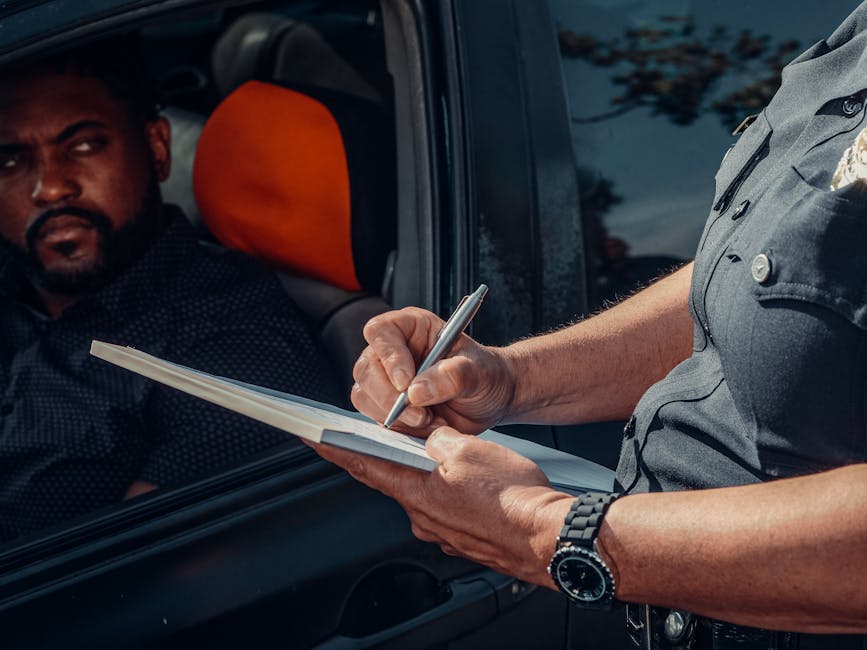
Ohio does not say DUI. The offense is OVI — OPERATING A VEHICLE IMPAIRED, under R.C. 4511.19 — and in HAMILTON COUNTY the charge lands in a specific and unforgiving procedural machine. An arrest in Cincinnati proper routes to CINCINNATI MUNICIPAL COURT for arraignment; a first, second, or third OVI within the lookback window is a misdemeanor handled there, while a fourth OVI in ten years becomes a FELONY and moves to the HAMILTON COUNTY COURT OF COMMON PLEAS at 1000 MAIN STREET. What makes OVI different from every other misdemeanor is that two separate cases open the moment you are arrested. One is criminal, and it moves at the court's pace. The other is administrative — the ADMINISTRATIVE LICENSE SUSPENSION, or ALS — and it takes effect IMMEDIATELY at arrest, before any judge has found anything, before any trial. The ALS has its own deadline that has nothing to do with your criminal case: you must APPEAL IT WITHIN 30 DAYS, and the appeal is made at your arraignment. Miss that window and the suspension stands regardless of what happens to the criminal charge. This is the single most common way Hamilton County drivers lose their license to a case they might otherwise have beaten.
The statute's architecture is worth understanding because the numbers drive everything. The PER SE limit is 0.08 BAC — at or above it, the state does not need to prove impairment separately, the number is the offense. Ohio then adds a HIGH-TIER at 0.17, which DOUBLES the mandatory minimum penalties, and the jump from 0.16 to 0.17 is legally enormous. REFUSING the chemical test triggers a ONE-YEAR ALS on a first refusal — longer than the suspension for testing over the limit — because Ohio's implied-consent scheme is designed to make refusal expensive. A first OVI conviction carries three days in jail OR completion of a three-day DRIVER INTERVENTION PROGRAM, a license suspension in the one-to-three-year range, and fines. LIMITED DRIVING PRIVILEGES for work, school, and treatment are available on request, and RESTRICTED PLATES — the yellow-and-red plates Ohioans call PARTY PLATES — are discretionary on a first offense and mandatory on a second. IGNITION INTERLOCK is where ANNIE'S LAW reshaped the calculus: the law created incentives under which a driver who installs an interlock can obtain broader, even unlimited, driving privileges rather than being locked into a narrow work-only carve-out. The LOOKBACK is ten years, meaning an OVI from nine years ago fully counts. And critically, Ohio has NO ARD-style pretrial diversion for OVI — the negotiated outcomes here are pleas to PHYSICAL CONTROL or to RECKLESS OPERATION, not a program that makes the case disappear.
Hamilton County's road geography generates a distinctive traffic docket. The BRENT SPENCE BRIDGE corridor — the I-75/I-71 crossing into Kentucky that has been a nationally infamous bottleneck for years, with a companion bridge under construction as of early 2026 — is its own enforcement and crash environment. Long-term construction means shifting lanes, WORK-ZONE speed enforcement with enhanced penalties, concrete barriers with no shoulder, and heavy commercial truck volume funneled through a compressed corridor. Work-zone crashes and work-zone citations are a real and growing share of the county's traffic caseload, and truck-involved collisions in that corridor carry a different evidentiary profile than a passenger-car fender bender — electronic logging data, driver qualification files, and federal motor carrier rules all come into play. COLUMBIA PARKWAY is the county's other signature road hazard: the hillside route along the Ohio River has a documented history of LANDSLIDES and earth-movement failure, which drives both closures and litigation of a kind most counties never see — and when a hillside gives way onto a roadway, the claim runs into R.C. Chapter 2744 immunity questions about road repair and physical defects rather than ordinary negligence. Ohio River FLOODING — the 2018 crest remains the reference event — periodically closes riverfront roads and reroutes traffic in ways that produce their own collisions, and the riverfront-development-versus-floodplain tension keeps that exposure permanent rather than occasional. Layer on the entertainment districts: OVER-THE-RHINE's bar corridor, The Banks, and the venues serving FC CINCINNATI, the BENGALS, and the REDS concentrate late-night driving in a small footprint, and OVI enforcement follows the crowds. The county's steep hillside street grid compounds all of it — grades, blind curves, and winter ice on routes that were never engineered for current volume produce single-vehicle crashes where the driver's impairment and the road's condition are argued against each other.
The institutional map shapes OVI defense in ways drivers rarely anticipate. The ARRESTING AGENCY matters — Cincinnati Police, the Hamilton County Sheriff, the OHIO STATE HIGHWAY PATROL, and suburban departments each have their own testing equipment, video practices, and calibration record-keeping, and the discovery you demand differs accordingly. The BUREAU OF MOTOR VEHICLES administers the license side and is not the court; a criminal disposition does not automatically fix a BMV record, and vice versa. Hospitals are central when a crash accompanies the arrest: UC MEDICAL CENTER, the region's Level I academic trauma anchor, and CINCINNATI CHILDREN'S, the Level I pediatric center with a global brand, generate the blood draws, toxicology, and injury-timing documentation that decide whether a case stays a misdemeanor or becomes vehicular assault. A hospital blood draw taken for treatment follows different rules than a police-directed draw, and the difference is litigable. TriHealth's Good Samaritan and Bethesda campuses, Christ Hospital, and Mercy Health facilities feed the same record streams. On the civil side, Ohio is a FAULT state with NO PIP — minimums are 25/50/25, and UM/UIM coverage is optional with no mandatory offer since 2001, which means an uninsured or underinsured at-fault driver can leave a serious injury uncompensated unless you bought coverage you were never required to buy.
The playbook is about calendars. Write the ALS APPEAL DEADLINE down first — 30 days, raised at arraignment — because it is the deadline people miss and it is the one that costs them driving. Get counsel before that arraignment; the same hearing sets bond, the ALS appeal, and the first plea posture. Request LIMITED DRIVING PRIVILEGES early and think hard about IGNITION INTERLOCK, since Annie's Law incentives can convert a narrow work-only privilege into something that actually lets you live your life. Preserve evidence that decays: cruiser and body-camera video, the calibration and maintenance records for the testing instrument, the officer's field-sobriety administration, and the timing of every step from stop to test. If a crash was involved, get the medical records — timing and toxicology from UC Medical Center or wherever you were treated frequently determine the charge level. Understand what a plea to PHYSICAL CONTROL or RECKLESS OPERATION actually does to your record, your insurance, and, if you are not a citizen, your status — Ohio cases are heard in CLEVELAND IMMIGRATION COURT and a traffic plea can carry consequences there. Marijuana's legalization under Issue 2 in December 2023 changed possession law but did NOT change impaired driving: OVI covers drug impairment fully, and a legal purchase is not a defense. For help, the LEGAL AID SOCIETY OF GREATER CINCINNATI is a strong regional organization, and Hamilton County's HELP CENTER for self-represented litigants — a model program statewide — can orient you on process and forms, though an OVI with mandatory minimums and a license at stake is a case that warrants counsel.
Need legal documents for your traffic case?
Hardship license requests, hearing prep forms, and correspondence — state-specific.
Sponsored links. Affiliate disclosure · Compare all options