
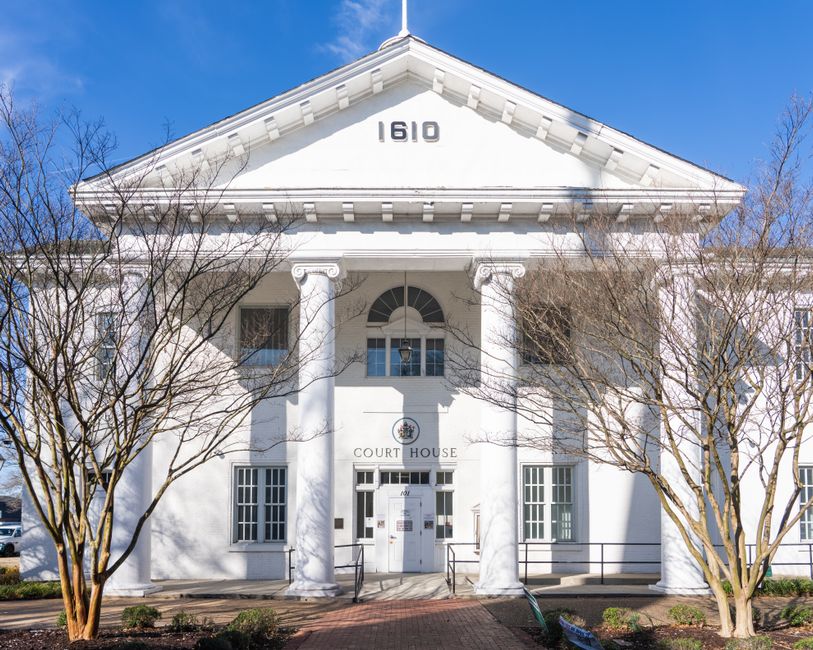
- Michigan uses indeterminate sentencing with sentencing guidelines (MCLA 769.34) — judge has limited discretion
- Holmes Youthful Trainee Act (HYTA): deferral program for offenders ages 17-23 — no public criminal record
- Expungement: Michigan's Clean Slate Act (2021) significantly expanded eligibility; automatic expungement for some offenses
- Felony classes A-H (with A being most serious); misdemeanors carry up to 1 or 2 years
Michigan's criminal sentencing uses advisory sentencing guidelines (MCLA 769.34) that calculate a recommended minimum sentence range based on offense variable scores and prior record variable scores. Unlike North Carolina's mandatory structured sentencing, Michigan's guidelines are now advisory (following People v. Lockridge, 2015), giving Michigan judges more flexibility than the guidelines themselves suggest — but judges who depart from guidelines must articulate specific reasons on the record. Michigan's Clean Slate Act (2021) created one of the most expansive automatic expungement programs in the country, with certain offenses being automatically cleared without any petition requirement after waiting periods.
Michigan Sentencing Guidelines
Michigan's felony sentencing guidelines (MCLA 769.34) use two variables to calculate the recommended minimum sentence range:
- Prior Record Variables (PRVs): Points assigned for prior felony and misdemeanor convictions, probation/parole at time of offense, and pattern of felonies
- Offense Variables (OVs): Points for specific aggravating factors related to the current offense — physical injury to victim, psychological impact, vulnerable victim, weapon use, etc.
The two variable point totals are plotted on a sentencing grid for the offense class — the grid cell shows the recommended minimum sentence range (e.g., "19-38 months"). After People v. Lockridge (2015 Michigan Supreme Court), the guidelines are advisory, not mandatory — judges can depart upward or downward but must state substantial and compelling reasons. The minimum sentence is just that — the parole board determines when a defendant is released after the minimum (within the maximum statutory sentence).
Holmes Youthful Trainee Act (HYTA)
Michigan's Holmes Youthful Trainee Act (MCL 762.11 et seq.) is a powerful diversion tool for young offenders ages 17-23 (inclusive). Under HYTA: the defendant pleads guilty (or is found guilty), but the court withholds adjudication and assigns "youthful trainee" status; the defendant is placed on probation with conditions; upon successful completion, the charge is dismissed and no conviction is entered on the public record. Key features:
- HYTA records are NOT public — they are sealed from public view, including most background checks
- The defendant can honestly say they have no public conviction
- HYTA is available for most felonies and misdemeanors (some serious violent offenses and most traffic offenses are excluded)
- Not available for: major controlled substance offenses (trafficking); certain sex offenses; driving offenses (OWI); murder; treason
HYTA is discretionary — the court must consent, and it requires a guilty or no-contest plea. For eligible young defendants, HYTA is often the best available disposition in Michigan criminal cases.
Michigan Clean Slate Act (2021)
Michigan's 2021 Clean Slate legislation created: (1) expanded petition-based expungement with shorter waiting periods and broader eligibility; (2) automatic expungement for certain offenses without any petition requirement. Automatic expungement: misdemeanors (most): automatically set aside 7 years after sentencing; felonies (most non-violent H-G class): automatically set aside 10 years after sentencing. The automatic process runs through the Michigan State Police — no court filing required. Offenses that are NOT eligible for expungement: life offenses; criminal sexual conduct; child abuse; domestic violence (if prior domestic violence); OWI causing death or serious impairment; offenses with mandatory sex offender registration. Michigan's automatic expungement is among the broadest in the country — Ohio's 2023 expansion and California's automatic felony sealing are comparable programs.
Need legal documents for your defense?
Character references, release forms, and legal correspondence templates.
Sponsored links. Affiliate disclosure · Compare all options