
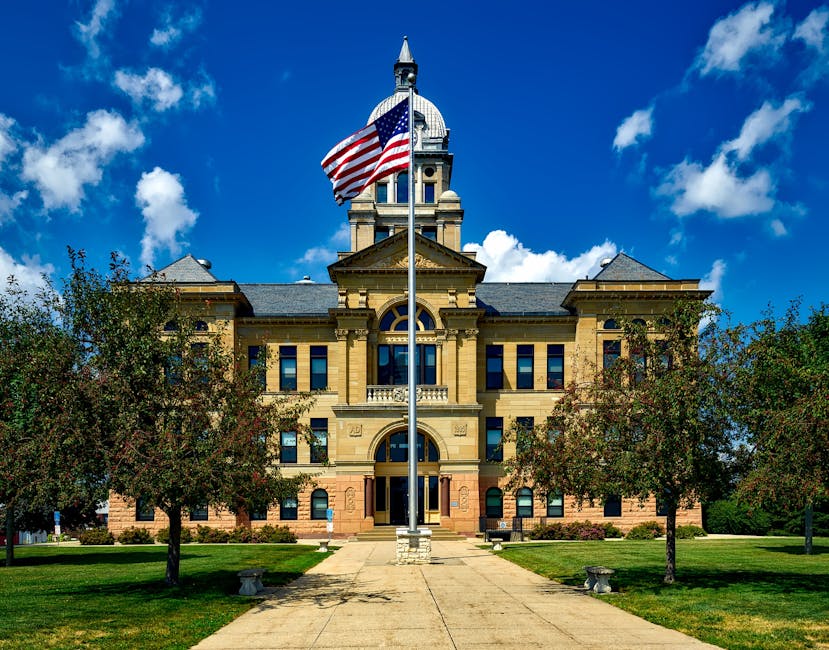
Criminal cases originating in Cape Coral are prosecuted by the State Attorney for the Twentieth Judicial Circuit (2000 Main St., Fort Myers) and heard in the circuit and county criminal divisions at the Lee County Justice Center. Most arrests in the city come from the Cape Coral Police Department, with the Lee County Sheriff's Office operating the county jail and the Florida Highway Patrol handling highway offenses. After an arrest, a defendant has a first appearance before a judge within 24 hours, where probable cause is reviewed, bond is set from the county bond schedule and the arrestee's circumstances, and the Public Defender for the Twentieth Judicial Circuit is appointed for those who qualify. Florida's penalty ladder runs from second-degree misdemeanors (up to 60 days) and first-degree misdemeanors (up to a year) through third-degree felonies (up to 5 years), second-degree felonies (up to 15 years), first-degree felonies (up to 30 years), life felonies, and capital felonies, with felony sentencing governed by Florida's Criminal Punishment Code scoresheet and a web of mandatory minimums, including the "10-20-Life" firearm enhancements and mandatory minimums for drug trafficking.
Two cautions apply to every Cape Coral arrestee. Jail telephone calls and communications are recorded and routinely used by prosecutors, and in domestic and violent cases a no-contact condition makes any contact with the alleged victim — even at the victim's own invitation — a fresh violation that can land a defendant back in custody. Invoke your rights clearly and early: a simple, unambiguous "I want a lawyer and I am not answering questions" ends an interrogation, and statements to police are the most common way a defendant damages an otherwise defensible case. Bond in Florida follows a county schedule for many offenses, allowing release by posting cash or a bondsman's roughly 10% premium, or, for eligible lower-risk defendants, release on recognizance or with pretrial-services supervision; certain serious offenses such as life felonies require an "Arthur hearing" before any bond can be set. Cape Coral's downtown South Cape entertainment district along Cape Coral Parkway generates a steady stream of night-time arrests — DUI, disorderly conduct, battery, and open-container and noise offenses — where fast preservation of surveillance and witness contacts matters.
Most cases resolve through negotiation and Florida's diversion mechanisms, and the Twentieth Circuit maintains an established set of them. Pretrial intervention and diversion for eligible first-time and nonviolent defendants, along with drug court, veterans court, and mental-health court, let a participant earn a dismissal by completing supervision, classes, community service, treatment, and restitution. A crucial Florida tool is the "withhold of adjudication": under Fla. Stat. §948.01 a judge placing a defendant on probation can WITHHOLD adjudication of guilt so that no formal conviction is entered, sparing the defendant many collateral consequences and preserving later eligibility to seal the record — though a withhold still counts for some purposes, including immigration and certain licensing. Florida abolished parole for most offenses and requires inmates to serve at least 85% of a sentence, so the negotiated plea and the scoresheet, not back-end release, drive outcomes. Florida's robust self-defense law — the Stand Your Ground statute (Fla. Stat. §776.012 through .032), which removes any duty to retreat and provides a pretrial immunity hearing where the State bears the burden — is a significant feature of violent-crime defense, and Florida's permitless concealed carry adds firearms to many disputes.
Collateral consequences deserve equal attention in a city with Cape Coral's demographics. Cases involving seniors take distinctive forms — elderly defendants whose competency, health, and diminished-capacity issues can be relevant, and crimes AGAINST the elderly, which Florida punishes with sentencing enhancements for offenses against persons 65 and older and for the financial exploitation of elderly and vulnerable adults, a dedicated prosecution priority given the retiree population. For the city's noncitizens, many drawn to its construction and service work, immigration consequences often exceed the criminal penalty: under Padilla v. Kentucky defense counsel must advise a noncitizen client of a plea's immigration impact, a guilty or no-contest plea — and even a withhold of adjudication — can be a "conviction" for immigration purposes, and drug offenses, crimes involving moral turpitude, aggravated felonies, and domestic-violence findings carry distinct removal consequences; Florida's SB 1718 (2023) hardened the state's immigration climate. Florida convictions also carry firearm disabilities, can affect professional licenses relevant to the city's healthcare and real-estate workforces, and historically affected voting rights, restored for most felonies after completing a sentence under Amendment 4 subject to legal-financial-obligation rules. No plea should be entered before this collateral map is drawn.
Cleaning up a Florida record afterward is possible but narrow. Florida lets a person SEAL or EXPUNGE a record only ONCE in a lifetime, and only where adjudication was WITHHELD (for sealing) or the charges were dropped, dismissed, or resulted in acquittal (for expungement); a formal conviction generally cannot be sealed or expunged (Fla. Stat. §943.0585 and §943.059). The process runs through the Florida Department of Law Enforcement, which issues a certificate of eligibility, followed by a petition in the Twentieth Circuit court in Lee County, and many serious offenses — along with DUI — can never be sealed or expunged. Cape Coral defendants who complete diversion or receive a withhold should evaluate sealing eligibility promptly, because the once-in-a-lifetime limit demands strategic use. Marijuana remains medical-only in Florida after the 2024 recreational amendment failed, so possession outside the medical program is still criminal. For representation and record relief, the Public Defender handles the underlying cases, Florida Rural Legal Services (239-334-4554) and the Lee County Bar Association (239-334-0047) assist with or refer for record relief and periodic sealing clinics, and post-conviction motions under Florida Rule 3.850 provide a path to challenge a conviction after direct appeal. For victims and families, the State Attorney's victim-services program and Florida's crime-victim compensation program coordinate protection and support.
Need legal documents for your defense?
Character references, release forms, and legal correspondence templates.
Sponsored links. Affiliate disclosure · Compare all options