
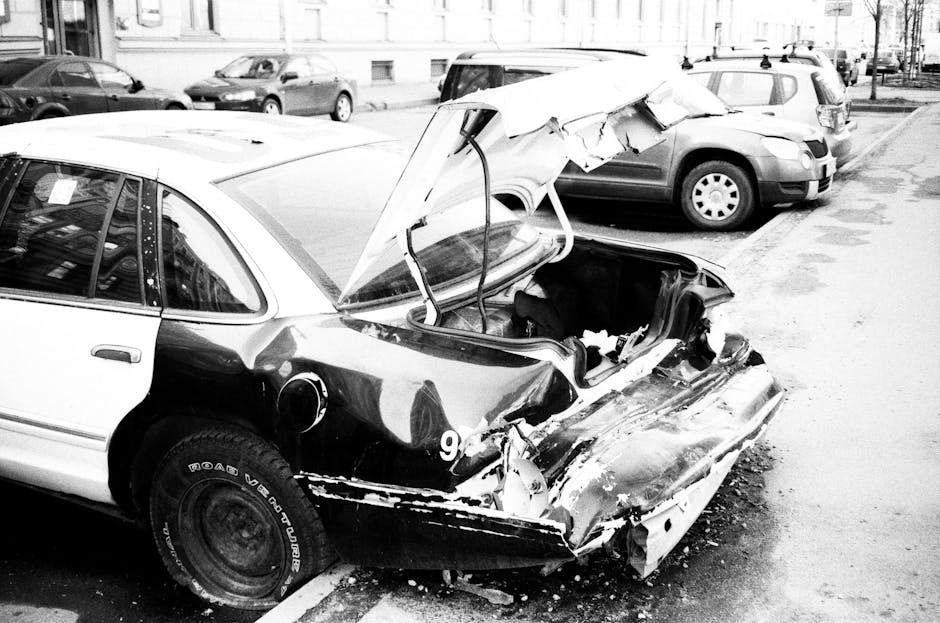
Nowhere does geography shape a crash docket like Allegheny County. Pittsburgh's rivers force roughly 1.23 million residents across aging bridges and through two chokepoint tunnels — the SQUIRREL HILL TUNNEL on the Parkway East and the FORT PITT TUNNEL on the Parkway West — where sudden slowdowns produce rear-end chains all year long, while steep grades, blind hill crests, and freeze-thaw potholes do the rest. Winter fog pools in the river valleys, bridge decks ice before the pavement around them, and the county's 130 municipalities fragment everything that follows a collision — which police department wrote the report, which public works crew maintained the road, and which government entity must receive formal notice of a claim. Crash lawsuits are filed in the Court of Common Pleas of the FIFTH JUDICIAL DISTRICT, sitting in the City-County Building on Grant Street and the landmark ALLEGHENY COUNTY COURTHOUSE at 436 Grant Street; smaller-value cases pass first through the county's compulsory arbitration program with a right to appeal for a jury trial de novo. When a crash also produces a DUI prosecution — and in this county it often does — the criminal side begins with arraignment through Pittsburgh Municipal Court or before a magisterial district judge, and the conviction or ARD acceptance that follows can transform the injured person's civil rights in ways Pennsylvania drivers rarely appreciate until it happens to them.
Pennsylvania's auto system is a CHOICE no-fault regime, and its signature is the LIMITED TORT versus FULL TORT election — the single most consequential checkbox on any Pennsylvania policy. Drivers who choose limited tort save on premiums but give up the right to recover pain-and-suffering damages after a crash unless they suffer a SERIOUS INJURY — generally death, serious impairment of body function, or permanent serious disfigurement — or unless a statutory exception applies: the at-fault driver is convicted of DUI or accepts ARD for it, the at-fault vehicle is registered out of state, or the injured person was occupying a vehicle other than a private passenger car, such as a bus or commercial truck. Full tort preserves unrestricted suit rights. Either way, FIRST-PARTY MEDICAL BENEFITS of at least 5,000 dollars are paid by your own insurer regardless of fault, and economic losses — medical bills beyond that, lost wages — remain recoverable even under limited tort. Liability minimums are just 15/30/5, absurdly low against real trauma care, which is why UNINSURED and UNDERINSURED MOTORIST coverage with STACKING across multiple vehicles matters so much — and why waiver-form and household-exclusion disputes over UM/UIM are a constant of Pennsylvania insurance litigation. Fault follows the 51 percent modified comparative negligence rule of 42 Pa.C.S. 7102, injury suits carry a two-year statute of limitations, and Pennsylvania's BAD FAITH STATUTE, 42 Pa.C.S. 8371, arms policyholders with punitive damages, interest, and attorney fees against insurers that stall or lowball — a real weapon, not a slogan.
The county's crash patterns are legible on any traffic map. Tunnel approaches on the Parkway East and West stack up daily rear-end collisions; Route 28 and McKnight Road carry high-speed commuter traffic into sudden merges; the winter freeze-thaw cycle opens axle-breaking potholes on state routes and city streets alike; and bridge decks ice before the roads around them, a lesson the river crossings teach every December. Stadium traffic converges on the North Shore for Steelers and Pirates games and uptown for the Penguins, mixing pedestrians, rideshares, and postgame drinking — dram-shop claims against bars that overserve visibly intoxicated patrons ride alongside DUI cases here. Ski traffic heads out of the county in winter and comes home tired and sometimes impaired. And because the Parkways carry a steady stream of Ohio and West Virginia plates, out-of-state at-fault vehicles — one of the statutory exceptions that restores full tort rights to a limited tort driver — appear in Allegheny County crash files far more often than drivers expect. Pennsylvania grades DUI by a TIERED BAC system — general impairment at 0.08, high at 0.10, highest at 0.16 and up, with penalties scaling by tier and prior offenses within a ten-year lookback — and first offenders commonly resolve charges through ARD. For the injured civil plaintiff, the criminal outcome is not a sideshow: a DUI conviction or ARD acceptance by the at-fault driver dissolves a limited tort election and opens the door to full pain-and-suffering recovery, and drunk-driving facts support punitive damages that no minimum-limits policy will volunteer to discuss.
Government defendants demand their own playbook. PITTSBURGH REGIONAL TRANSIT is a local agency under the POLITICAL SUBDIVISION TORT CLAIMS ACT: its vehicle operations fall within a waiver of immunity, but claims require WRITTEN NOTICE WITHIN SIX MONTHS and recovery is capped at 500,000 dollars in the aggregate for all claimants from one incident — a brutal constraint when a single bus crash injures dozens, as the Fern Hollow Bridge collapse of January 2022, which took an articulated bus into the ravine, made vivid. Road-defect claims depend on who owns the road: city streets and county routes run through the Tort Claims Act's street exception with the same six-month notice and aggregate cap, while PennDOT highways proceed under Commonwealth sovereign immunity exceptions with caps of 250,000 dollars per plaintiff and 1 million per incident — and Commonwealth pothole claims require proof of prior written notice of the specific defect. Meanwhile, the medical side of every serious crash converges on the county's two trauma systems: UPMC PRESBYTERIAN and UPMC MERCY are Level I trauma centers, UPMC CHILDREN'S HOSPITAL handles pediatric trauma, and ALLEGHENY GENERAL HOSPITAL on the North Side anchors the Allegheny Health Network — their records, bills, and liens frame the damages in virtually every Allegheny County auto case.
After a crash, the sequence matters. Call police and get the crash reported — Pittsburgh Bureau of Police or the responding municipal department for local roads, Pennsylvania State Police for the interstates — and obtain the report number before leaving. Photograph vehicles, road conditions, the pothole or ice, and any tunnel or bridge signage; the county's weather and PennDOT's repair crews erase evidence fast. Seek medical care the same day and follow through, because treatment gaps become fault arguments under the 51 percent rule. Open your own first-party benefits claim promptly, then find your declarations page and read the tort election line before you talk damages with anyone — and if you are limited tort, do not let an adjuster tell you the inquiry ends there, because the serious-injury threshold and the exceptions are litigated questions, not adjuster pronouncements. Check every household policy for stackable UM/UIM coverage. Calendar two years for suit, six months for any claim touching Pittsburgh Regional Transit, the City, the county, or a borough, and document every insurer communication in writing with 42 Pa.C.S. 8371 in mind. NEIGHBORHOOD LEGAL SERVICES offers free civil legal help to income-eligible residents, and the ALLEGHENY COUNTY BAR ASSOCIATION lawyer referral service connects crash victims with contingency-fee counsel countywide — and going forward, when the renewal notice arrives, consider whether the premium saved by limited tort is worth what it costs the day a tunnel pileup finds you.
Need legal documents after an accident?
Demand letters, release forms, and settlement agreements — ready in minutes.
Sponsored links. Affiliate disclosure · Compare all options