
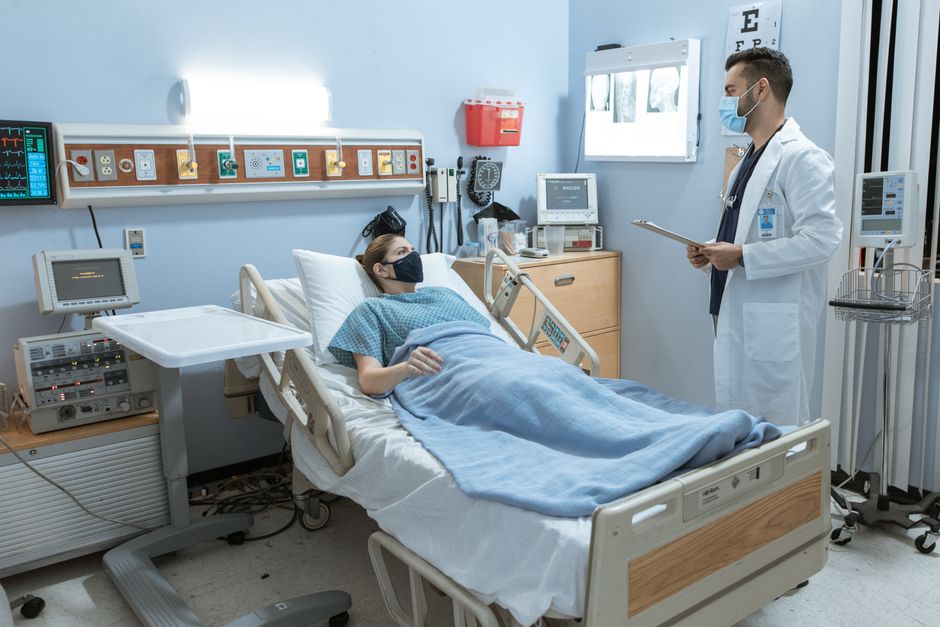
Medical-malpractice claims for Anaheim patients are litigated in the ORANGE COUNTY SUPERIOR COURT, with civil cases centered at the CENTRAL JUSTICE CENTER (700 Civic Center Dr. W., Santa Ana), and they play out against a hospital landscape that is overwhelmingly PRIVATE — a defining feature of practicing this area of law in the city. Anaheim, Orange County's largest city, has NO public county hospital within its limits, so most malpractice claims here follow ordinary private-hospital rules rather than the government-claim procedures that dominate in cities with a public trauma center. The city's medical anchors are AHMC ANAHEIM REGIONAL MEDICAL CENTER (a private hospital in the flatland core), KAISER PERMANENTE ANAHEIM (where members are bound by their membership agreement to ARBITRATION rather than a jury trial), UCI HEALTH nearby (a University of California system facility, a state entity with its own claim rules), and CHOC CHILDREN'S in adjacent Orange (a leading pediatric hospital central to any birth-injury or child-care case). Every claim runs under California's MICRA framework, but which defendant you have — private hospital, Kaiser, or the UC system — changes the procedure dramatically.
California medical-malpractice law is dominated by MICRA (the Medical Injury Compensation Reform Act) and its recent overhaul. The STATUTE OF LIMITATIONS (Code of Civil Procedure 340.5) requires suit within ONE YEAR of discovering the injury (or when it reasonably should have been discovered) and no more than THREE YEARS after the injury, with narrow exceptions (fraud, concealment, a foreign object). Before filing, you must give the provider 90 DAYS' NOTICE OF INTENT to sue (CCP 364). MICRA's famous CAP on NON-ECONOMIC damages (pain and suffering) was frozen at 250,000 dollars for decades, but AB 35 (effective 2023) replaced it with a schedule that rises each January: as of early 2026, the indexed MICRA cap is roughly in the high-300,000-dollar range for non-death cases and around a half-million dollars for wrongful death, and it continues climbing over the coming decade toward 750,000 dollars and 1 million dollars respectively — so the cap is NOT what it once was, and it is never accurate to call these damages uncapped or to quote the old 250,000-dollar figure. Economic damages (medical bills, lost earnings, future care) remain UNLIMITED, and attorney contingency fees are limited by a statutory schedule (Business and Professions Code 6146). Proving a case requires QUALIFIED MEDICAL EXPERTS to establish the standard of care and its breach.
Anaheim's malpractice patterns follow its institutions. AHMC ANAHEIM REGIONAL and other PRIVATE hospitals generate the core of emergency-room, surgical, and inpatient claims under ordinary MICRA rules. KAISER PERMANENTE cases are distinctive: Kaiser members generally agreed to BINDING ARBITRATION in their enrollment, so a malpractice claim against Kaiser is usually decided by an arbitrator under Kaiser's system, not by an Orange County jury — a major procedural difference that still runs under MICRA's caps and deadlines. UCI HEALTH, as a UNIVERSITY OF CALIFORNIA facility, is a STATE ENTITY, which means a claim against it typically requires a GOVERNMENT CLAIM under the California Government Claims Act (a written claim within SIX MONTHS) in addition to MICRA — a trap that catches patients who assume ordinary rules apply. CHOC CHILDREN'S anchors PEDIATRIC and BIRTH-INJURY claims, which are among the most serious and highest-value malpractice cases (a child's lifetime care needs make the unlimited economic damages central even under the capped non-economic side). ELDER-ABUSE and neglect claims in nursing and residential-care facilities proceed under the separate ELDER ABUSE ACT (Welfare and Institutions Code 15600), which can allow enhanced remedies outside MICRA's cap.
The institutional map for an Anaheim patient combines hospitals, oversight boards, and the courts. The MEDICAL BOARD OF CALIFORNIA licenses and disciplines physicians (and separate boards cover nurses, dentists, and others) — a complaint there is separate from a lawsuit and does not compensate you, but it can prompt investigation. Hospital records are obtained through your right of access under state and federal law, and preserving them early is essential. Because MICRA cases are expensive to bring (expert-heavy and fee-limited), attorneys screen them carefully and take strong cases on contingency. The KAISER ARBITRATION track has its own selection and procedure rules; the UCI/UC STATE-CLAIM track has the six-month government-claim deadline; and CHOC pediatric cases often involve life-care planning and structured settlements. For families weighing a claim, identifying the defendant's category first — private, Kaiser, or UC — determines the deadline, the forum, and the strategy, and getting that wrong can forfeit the case.
Legal help and the playbook are specific to this field. Medical-malpractice cases are handled by specialized plaintiff's firms on contingency (with fees capped by BPC 6146), and a consultation is generally free; legal-aid organizations like the LEGAL AID SOCIETY OF ORANGE COUNTY can point patients toward resources, and the Orange County Bar Association refers malpractice counsel. The practical playbook for an Anaheim patient who suspects malpractice: ACT FAST on the deadlines — the one-year discovery limitations period (CCP 340.5) is short, and if UCI or another UC/state provider is involved, the SIX-MONTH government-claim deadline is even shorter; REQUEST YOUR COMPLETE MEDICAL RECORDS promptly and preserve them; determine the DEFENDANT'S CATEGORY (private hospital, Kaiser arbitration, or UC state entity) because it dictates everything; get an independent expert review, since you cannot prove a case without qualified medical experts; do NOT expect the old 250,000-dollar figure to control — understand the AB 35 indexed cap that applies as of early 2026; and for injuries to children (CHOC and birth-injury cases) or elderly patients (Elder Abuse Act), recognize these carry special rules and often higher value. In a private-hospital city with Kaiser and a nearby UC facility, correctly categorizing the defendant is the threshold that makes or breaks the claim.
Need legal documents for a malpractice claim?
Medical records requests, demand letters, and HIPAA release forms.
Sponsored links. Affiliate disclosure · Compare all options