
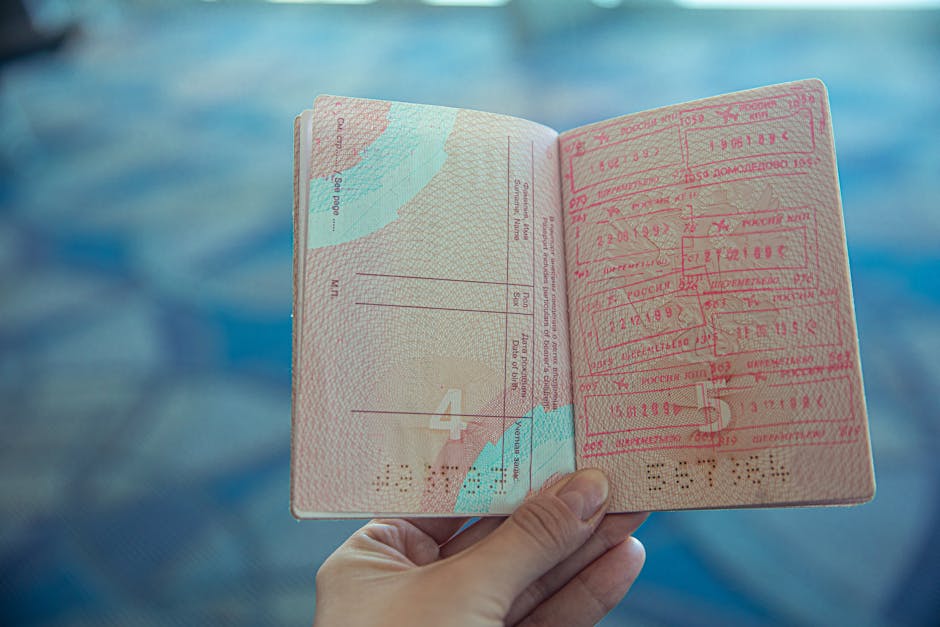
Jacksonville's immigrant community is smaller as a share of population than South Florida's but distinctive in its makeup, shaped above all by the Navy and by decades of refugee resettlement. Roughly one in ten residents is foreign-born, and the mix skews toward a large Filipino-American community tied to the fleet (one of the biggest in the Southeast), Hispanic residents (Mexican, Puerto Rican — the latter U.S. citizens — Cuban, Colombian, and Central American), a notable Arab-American population, and Vietnamese and other Asian communities. The city has also long served as a REFUGEE RESETTLEMENT hub — Bosnian, Iraqi, Afghan, Burmese, Congolese, and Syrian families have been resettled here through agencies including World Relief and Lutheran Social Services, and the Afghan evacuation and other recent humanitarian arrivals added to that base. Immigration cases from the Jacksonville area are heard at the ORLANDO Immigration Court (there is no EOIR court in Jacksonville), and USCIS serves local applicants through its Jacksonville Field Office on Southpoint Boulevard for interviews, naturalization ceremonies, and biometrics, while ICE Enforcement and Removal Operations covers the region through the Miami and regional field offices.
Florida's state-level immigration climate has grown notably tougher. Senate Bill 1718 (2023) is among the strictest state immigration statutes in the country — it criminalizes knowingly transporting certain undocumented individuals into Florida, mandates E-Verify for employers with 25 or more employees, voids out-of-state driver's licenses issued to undocumented immigrants, and requires hospitals that accept Medicaid to collect immigration-status data. Enforcement of immigration law itself remains a federal function, but SB 1718 has heightened fear and everyday burdens across Jacksonville's immigrant neighborhoods. For any noncitizen facing a criminal charge, the overlap is acute: a plea, even a Florida "withhold of adjudication," can be treated as a conviction for immigration purposes, so criminal defense has to be run alongside immigration analysis (the Padilla duty). The Jacksonville hallmark, though, is the MILITARY-IMMIGRATION overlap — noncitizens in uniform have expedited naturalization paths under INA §329, the Navy's presence brings foreign-national spouses and fiancés through K-1 and immediate-relative petitions, and immigration status runs headlong into base access and security clearances, a cluster of issues a Jacksonville immigration lawyer must handle fluently.
The local caseload spans every category, with several regional specialties. Refugee and humanitarian work is prominent given the resettlement history: refugee and asylee adjustment of status (the green-card step one year after arrival), asylum (through the Orlando court and the regional asylum office, where the one-year filing deadline is the most common fatal error), Special Immigrant Visas for Afghan and Iraqi allies who served the U.S. mission, Temporary Protected Status for designated nationalities, and U, T, and VAWA humanitarian relief. Military-connected immigration is a Jacksonville signature — military naturalization for noncitizen sailors, parole in place and deferred action historically available to military family members, and petitions for the foreign-national spouses of servicemembers. Family-based immigration dominates by volume, as spouses and relatives of citizens and residents adjust status or consular-process. Employment-based cases move through the healthcare, logistics, and corporate sectors (H-1B, the EB preferences, and PERM). And naturalization completes the pipeline, with a large eligible-to-naturalize population that includes many green-card-holding sailors and resettled refugees.
Jacksonville's immigrant legal-services network is meaningful even if smaller than Miami's. Catholic Charities of the Diocese of St. Augustine provides immigration legal services across the Jacksonville area — family petitions, adjustment, citizenship, and humanitarian cases — while World Relief Jacksonville and Lutheran Social Services support refugee arrivals with resettlement and immigration help. Jacksonville Area Legal Aid (904-356-8371) assists income-qualifying residents with immigration-adjacent matters and partners with immigration providers on VAWA and U-visa cases, and the Jacksonville Bar Association referral service (904-399-4486) and regional law-school and pro bono programs add capacity. For military-connected immigration, the base legal-assistance offices at NAS Jacksonville and Mayport can provide some help to servicemembers and dependents, though they generally refer complex immigration matters out to private or nonprofit immigration counsel. Consular services for many nationalities are concentrated in Miami and Orlando, though the Filipino, Mexican, and other communities may have local outreach; nationals should identify their consulate for passports, documents, and protection services.
Practical guidance for Jacksonville immigrant families comes down to a few essentials. First, beware NOTARIO FRAUD — unlicensed "notarios" and "immigration consultants" file defective applications that can trigger removal; only licensed attorneys and accredited representatives may give immigration legal advice (verify attorneys with the Florida Bar and representatives on the EOIR roster), and victims should report to the Florida Attorney General. Second, every mixed-status household should have a plan: memorize A-numbers, keep the numbers of a trusted provider and your consulate, execute a power of attorney and designate a caregiver for children in case a parent is detained, and know the ICE detainee locator. Third, SB 1718 makes driving and travel riskier for undocumented residents — Florida issues them no license and voids certain out-of-state licenses — and any arrest routes a noncitizen through booking where status can surface, so plan transportation and know your rights during stops and home visits (you need not open the door without a judicial warrant). Fourth, in detention, sign nothing — especially stipulated removal or voluntary-departure papers — before speaking with counsel. Finally, two Jacksonville-specific points: noncitizen sailors should pursue military naturalization and their relatives should ask about parole in place, and resettled refugees and asylees must remember to adjust status after one year, re-register any TPS or SIV benefits on time, and naturalize when eligible, because citizenship is the only status that fully ends removal exposure.
Need immigration-related legal documents?
Affidavits, power of attorney, notarized forms — 150+ document types.
Sponsored links. Affiliate disclosure · Compare all options