
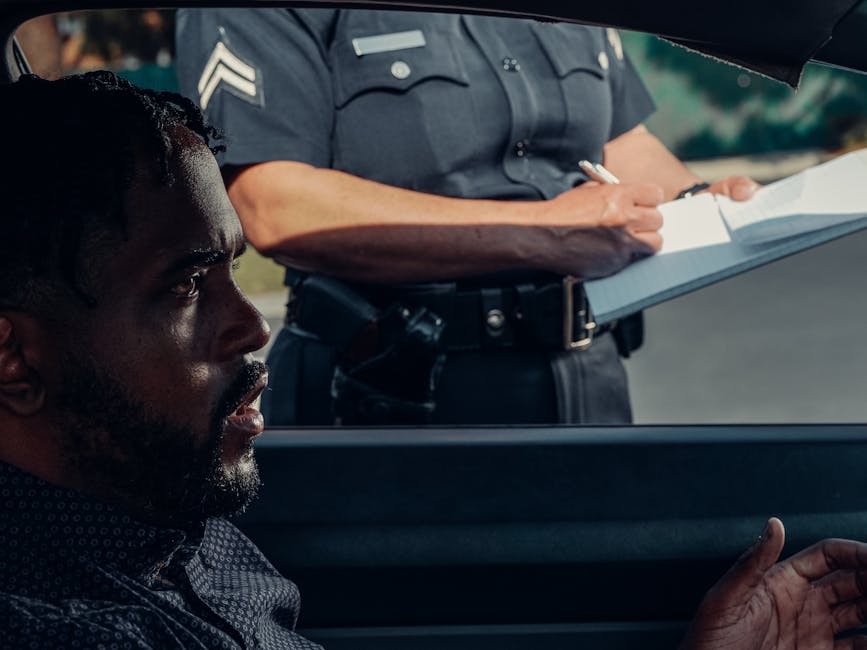
The DUI docket in Wilkes-Barre is shaped by three predictable engines — the MOHEGAN PENNSYLVANIA casino in Plains Township, the downtown bar district on South Main Street, and the WILKES UNIVERSITY and KING'S COLLEGE campuses that put thousands of students in the city core — plus the arteries that carry impaired drivers away from all of them: INTERSTATE 81, the CROSS VALLEY EXPRESSWAY (PA Route 309), the Market Street Bridge across the Susquehanna, and the surface grid where a single drift across a lane line is witnessed by the cars stacked behind. Casino traffic runs late and year-round; the college corridors spike on weekends and event nights; and the PENNSYLVANIA STATE POLICE run enforcement and sobriety checkpoints on the main valley corridors. Procedurally, everything funnels through the ELEVENTH JUDICIAL DISTRICT: a stop is arraigned before a MAGISTERIAL DISTRICT JUDGE, and any case surviving the preliminary hearing lands in the Criminal Division at the LUZERNE COUNTY COURTHOUSE, 200 North River Street, where the county's DUI plea, ARD, and treatment-court machinery grinds daily. It is a high-volume, pattern-driven docket, and that cuts both ways — prosecutors run cases on well-worn tracks, and the defense lawyers who know those tracks know exactly where they bend: in checkpoint paperwork, breath-instrument calibration logs, blood-draw chain of custody, and field tests scored on the valley's sloped, broken, winter pavement.
Pennsylvania grades DUI through a THREE-TIER BAC SYSTEM under 75 Pa.C.S. 3802, and the tier drives nearly everything downstream. GENERAL IMPAIRMENT covers a blood-alcohol concentration of 0.08 to 0.099 percent — a first offense is an ungraded misdemeanor, probation-eligible, with no mandatory license suspension. HIGH RATE covers 0.10 to 0.159 and adds a mandatory jail minimum measured in days, four-figure fine exposure, and a twelve-month suspension. HIGHEST RATE — 0.16 and above — carries the steepest minimums, and a drug-based DUI is charged at this top tier regardless of the actual degree of impairment, a trap for medical-marijuana patients because Pennsylvania treats THC in a driver's blood as effectively zero-tolerance. Every penalty then scales with prior offenses inside a TEN-YEAR LOOKBACK, and acceptance of ARD counts as a prior for that purpose. The 2018 amendments added felony grading: a third DUI at the highest tier and any fourth DUI are now felonies, which upended the calculus for repeat offenders who once cycled through misdemeanor sentences, while homicide by vehicle while DUI carries a mandatory minimum measured in years per victim. The Commonwealth can also make out general impairment on observation alone — no chemical result required — which is why dashcam and body-camera footage is subpoenaed in nearly every contested Luzerne County case.
REFUSAL is its own trap, running on a track separate from the crime. Pennsylvania's IMPLIED-CONSENT law (75 Pa.C.S. 1547) lets PENNDOT suspend a license for twelve months — eighteen with a prior — for refusing chemical testing after a DUI arrest, a civil suspension that stands even if the criminal charge is later dismissed, and the refusal is prosecuted at the highest penalty tier on top of that. Officers must read the O'CONNELL WARNINGS from Form DL-26 — that refusal means suspension and that there is no right to consult a lawyer before deciding — and defects in the warnings, or genuine confusion treated as a refusal, are the battleground of the statutory appeal, which must reach the Common Pleas civil division within thirty days. BIRCHFIELD v. NORTH DAKOTA added a constitutional layer: a blood draw now requires a warrant, and refusing a warrantless blood test cannot enhance criminal penalties, though officers obtain electronic warrants quickly and a station breath test needs none. ACCELERATED REHABILITATIVE DISPOSITION remains the standard first-DUI resolution at the Luzerne County Courthouse — the District Attorney screens every application, and completion delivers dismissal, expungement eligibility, and a suspension measured in weeks rather than a year. IGNITION INTERLOCK LIMITED LICENSES round out the system: since 2017 most first offenders can drive immediately during suspension in an interlock-equipped vehicle, while a refusal suspension requires six months served first. What ruins people is none of these — it is driving while DUI-suspended under Section 1543(b), which carries mandatory jail and a fresh consecutive suspension, turning one bad night into years without a license.
The valley's own patterns give the docket its texture. Casino nights push enforcement onto the Plains corridors and the river bridges; the South Main Street bars supply a steady weekend stream; the college corridors add underage-drinking and DUI cases in the fall and spring; and winter adds its own physics, because freeze-thaw potholes and iced hillside streets make roadside field-sobriety exercises genuinely unreliable and hand the defense legitimate attacks on a walk-and-turn scored on broken, sloped pavement. The civil crossover is the quiet stakes-raiser most defendants never see coming: Pennsylvania's choice no-fault system makes every driver elect LIMITED TORT or FULL TORT, and limited tort ordinarily bars any recovery for pain and suffering — except that the statute strips that shield from anyone injured by a driver convicted of DUI or admitted to ARD for it. A DUI resolution therefore exposes the driver to full-tort personal-injury liability, opens the door to PUNITIVE DAMAGES against the drunk driver, and invites DRAM-SHOP claims against the bar or the Mohegan casino that overserved a visibly intoxicated patron, adding another insurer to the table. Medical-marijuana patients occupy the docket's newest corner — a lawful cardholder who drove sober days after use can still face a highest-tier drug DUI on the presence of metabolites alone, an area where litigation and legislative pressure continue as of early 2026.
The playbook is deadline-driven. The PennDOT suspension appeal — thirty days to the Common Pleas civil division — is the first clock, and it runs whether or not the criminal case has even been scheduled. The ARD application runs on the District Attorney's calendar, generally due by the formal-arraignment stage, and the screening rewards early, complete submissions with treatment already underway. A CDL holder needs specialized advice before touching ARD, because a one-year commercial disqualification follows even a diverted DUI — for a professional driver hauling out of the I-81 warehouse corridor, a triable case sometimes beats diversion. Hospital-system, casino, and college employees should assume that background checks will surface anything left unexpunged, which makes the post-ARD expungement petition — easy to forget — as valuable as the diversion itself. Voluntary alcohol monitoring and treatment records help twice: they support ARD admission, and they mitigate at sentencing if diversion falls through. For representation, the LUZERNE COUNTY OFFICE OF THE PUBLIC DEFENDER covers indigent defendants, the WILKES-BARRE LAW AND LIBRARY ASSOCIATION referral service places private cases, and NORTH PENN LEGAL SERVICES helps with the civil wreckage — license restoration, insurance disputes, and employment barriers. Two last rules: never discuss the stop on a recorded jail line or on social media, and never drive during a suspension — the county forgives a first DUI through ARD with real efficiency, but it stacks 1543(b) convictions without mercy, and that is the trap that turns a single casino-night mistake into a years-long licensing wilderness.
Need legal documents for your traffic case?
Hardship license requests, hearing prep forms, and correspondence — state-specific.
Sponsored links. Affiliate disclosure · Compare all options